Saturday, October 24, 2026
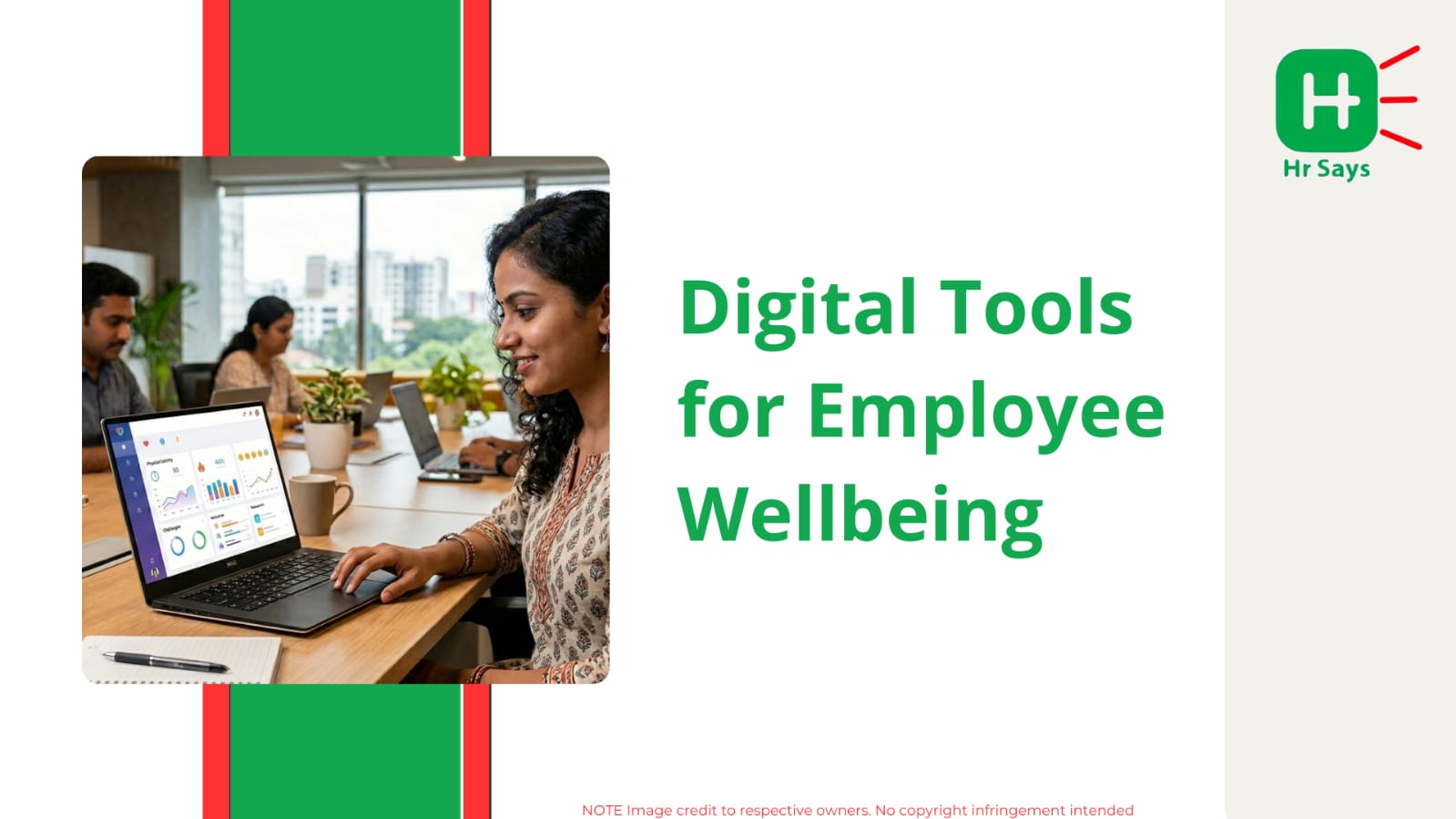
 Digital tools are transforming employee wellbeing strategies through mental health apps, engagement platforms, and wellness tracking systems. While scalable and data driven, their impact depends on culture, leadership support, and responsible implementation. Technology assists, but human connection sustains wellbeing.




Work used to stop at the door of the office. It now tracks individuals home using screens, notifications, and unending messages. Stress is tracked in silence. Burnout builds quietly. To counter, employee wellbeing digital solutions have been launched which would bring balance, support and order in a hyper connected workplace.
The Rise Of Digital Wellbeing In Modern Workplaces
The wellbeing of employees is no longer considered a soft HR program. It is being established as an objective business priority. Any performance pressure, remote work, and hybrid models of work have put the pressure on mental health that has never been more pressing than ever.
Digital employee wellbeing application is being used to address this gap. The cloud systems provide uniform support services across geographic locations. Access is simplified. Data is collected. Patterns are identified.
Several factors have accelerated this shift:
● Growing awareness around workplace mental health
● Increased burnout in remote work environments
● Demand for flexible employee benefits
● Expansion of HR technology and people analytics
Wellbeing is now being discussed in boardrooms. It is being tracked through dashboards. Engagement scores are being compared quarterly. The conversation has matured.
Yet tools alone do not solve burnout. They create structure. They provide signals. The real impact depends on how thoughtfully they are used.
Types Of Digital Tools Supporting Employee Wellbeing
A wide range of digital wellness solutions has entered the market. Each serves a different purpose, and when integrated carefully, a supportive ecosystem can be created.
Mental Health And Emotional Support Platforms
Employee assistance programs have been digitised. Therapy sessions are being scheduled through apps. AI-powered chat support is being offered for immediate guidance. Meditation and mindfulness platforms are being included in corporate subscriptions.
Features often include:
● Guided meditation sessions
● Anonymous counselling access
● Stress management resources
● Mood tracking dashboards Support is made private. Stigma is reduced. Help becomes easier to reach.
Wellness And Fitness Tracking Tools
Physical wellbeing is being monitored through wearable integrations and health apps. Step counts, sleep cycles, and activity levels are being synced with corporate wellness programs.
Gamified challenges are introduced to increase engagement. Incentives are offered for participation. However, privacy concerns must be handled carefully. Data transparency is expected.
Employee Engagement And Feedback Software
Real time pulse surveys are being conducted regularly. Sentiment analysis is being used to understand morale trends. Burnout risks are predicted through workforce analytics.
These systems allow leadership to respond early rather than react late. Patterns become visible before resignations are submitted.
Still, feedback must be acted upon. Otherwise, trust is weakened.
Practical Benefits And Realistic Limitations
Digital wellbeing tools offer measurable advantages:
● Scalable mental health support
● Data driven HR decisions
● Improved employee engagement
● Flexible access for remote teams
At the same time, challenges remain. Technology fatigue is real. Too many apps can create overwhelm. If tools are implemented without cultural alignment, they are ignored.
Wellbeing should not be outsourced to software. It should be reinforced by leadership behaviour, reasonable workloads, and open communication. Digital platforms can assist. They cannot replace empathy.
The future of workplace wellbeing will likely remain hybrid. Human connection will matter. Technology will support it quietly in the background.
Conclusion
Digital tools for employee wellbeing are being embedded into modern HR strategies. When selected thoughtfully and implemented with care, they can strengthen support systems. However, sustainable wellbeing is built through culture first, and technology second. Balance is essential.