Saturday, October 24, 2026
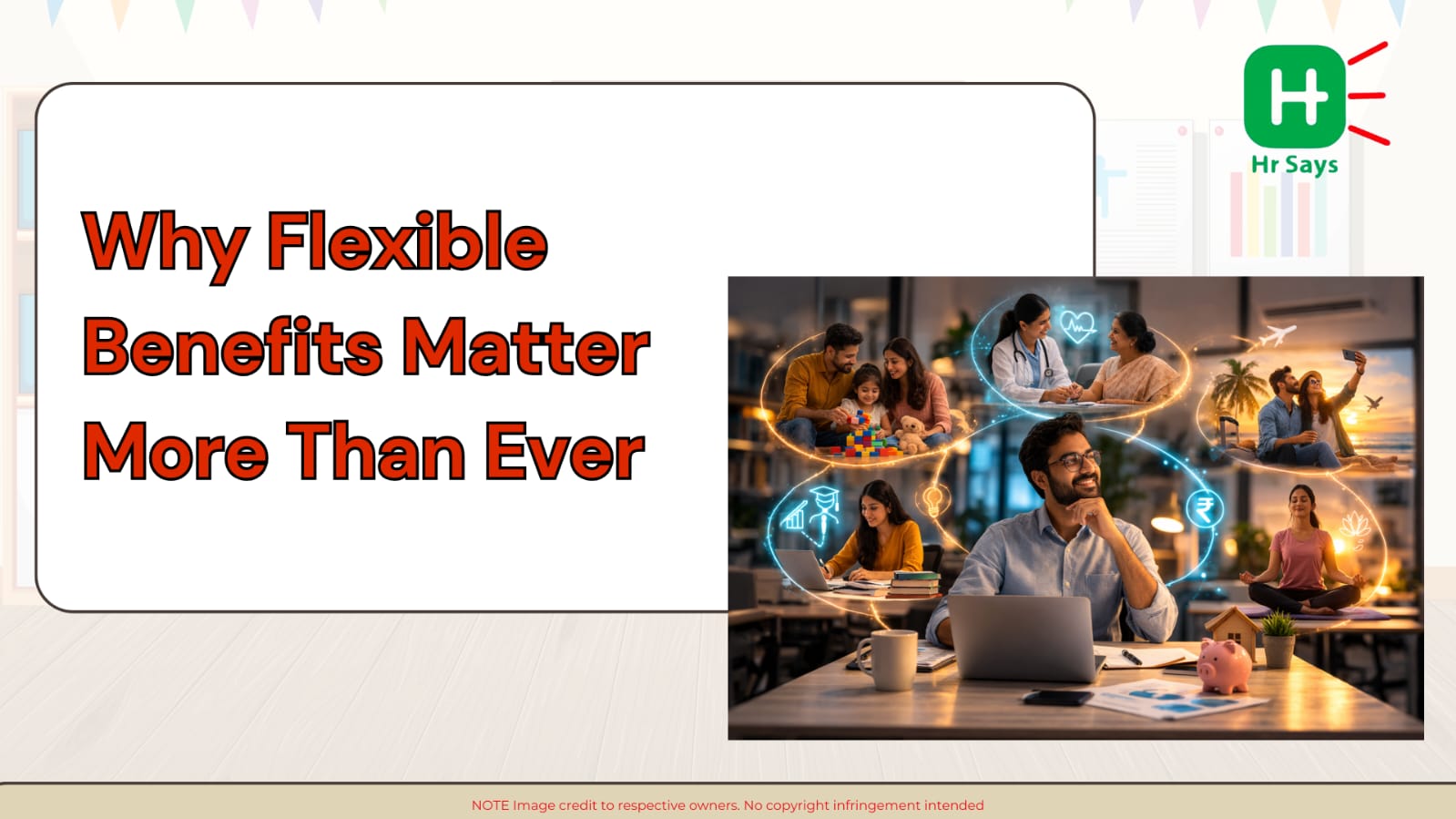
 Flexible benefits are reshaping employee experience by supporting autonomy, well being, and retention. As workforce expectations evolve, personalised benefit structures are being prioritised to attract talent, strengthen culture, and improve long term organisational sustainability.




Work is no longer what fits on a predetermined template. Expectations have shifted. Well being, autonomy and purpose are causing careers to be formed. With the growth of hybrid work models, as well as the harder retention of employees, benefits are under increased scrutiny. Values have shifted, and organisations are being made to change.
The Workforce Has Changed And Benefits Must Follow
Remote working trends, increased living expenses, and heightened consciousness of mental health are the factors shaping the modern workplace. Homogenous package of benefits is widely considered as old-fashioned. Employees are not having the same lives so their support systems cannot be the same either.
Flexible benefits are being coming on with choice. Younger worker might give more importance on student loan. A parent can favor childcare assistance. Wellness stipends or more paid time off may be appreciated by another employee. Whenever alternatives are made available the content is most often enhanced.
It has also been observed that employee engagement improves when individuals feel heard. Benefits are no longer seen as perks. They are viewed as part of a larger employee experience strategy.
Organisations that continue offering rigid structures often face:
● Higher employee turnover
● Reduced morale
● Difficulty attracting top talent
● Lower productivity levels
In contrast, companies investing in personalised benefits platforms are being recognised as employee centric workplaces. The impact is visible in recruitment conversations, employer branding, and long term loyalty.
Flexible Benefits Support Retention And Well Being
Employee retention strategies are being redesigned across industries. Compensation alone is not enough. A competitive salary may attract candidates, but flexible benefits often determine whether they stay.
Mental health support is now considered essential. Access to counselling, wellness programs, and mental health days is being requested more frequently. Burnout prevention has become a business priority rather than a personal issue.
Work life balance is also being redefined. Flexible work schedules, remote work options, and custom leave policies are being appreciated more than traditional allowances. When autonomy is provided, productivity is often improved naturally.
Key advantages of flexible benefits include:
● Greater employee satisfaction
● Stronger workplace culture
● Improved diversity and inclusion
● Higher engagement rates
Diversity and inclusion efforts are strengthened when benefits reflect varied lifestyles and needs. For example, inclusive parental leave policies and gender neutral health coverage signal respect. When policies feel thoughtful, trust is built.
A culture of flexibility communicates something powerful. It suggests that people are valued beyond their job titles. Over time, this perception contributes to stronger employer reputation and positive workplace culture.
Technology Is Enabling Personalisation
HR technology platforms are now being used to manage customised benefits efficiently. Through digital dashboards, employees can select options that align with their life stage. Data analytics is also being applied to understand usage patterns and optimise offerings.
This shift is part of a broader digital transformation in human resource management. Employee benefits software is reducing administrative burden while improving transparency. Decisions are being informed by real time insights rather than assumptions.
As talent competition increases globally, flexible benefits are no longer optional. They are becoming a strategic necessity.
Conclusion
Work expectations are evolving quickly. Employees are seeking flexibility, recognition, and meaningful support. Organisations that listen and adapt are more likely to retain skilled professionals. Flexible benefits are not trends. They are responses to real human needs.