 Saturday, October 24, 2026
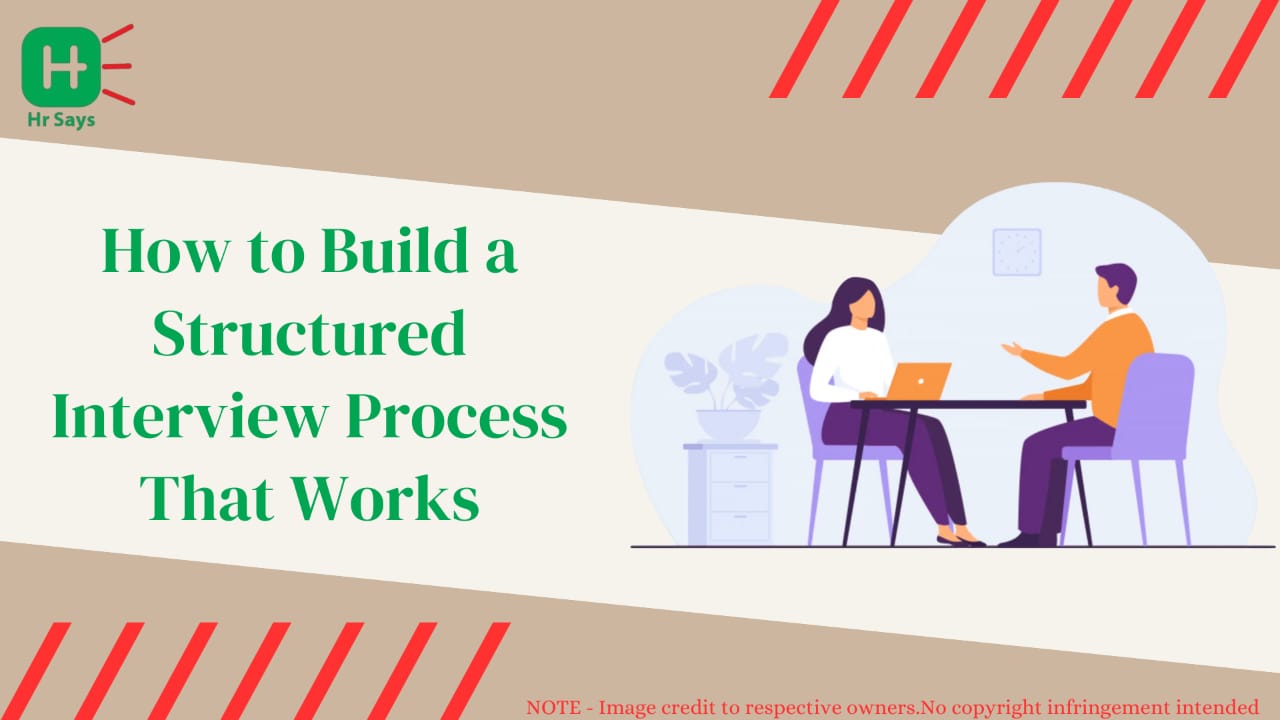
 A structured interview process creates fairness, reduces bias, and improves hiring decisions.
Standard questions, clear scoring, and defined competencies help interviewers stay aligned and
deliver consistent candidate evaluations.
A structured interview process creates fairness, reduces bias, and improves hiring decisions.
Standard questions, clear scoring, and defined competencies help interviewers stay aligned and
deliver consistent candidate evaluations.




Have you ever thought of the reason some interviews seem to be coherent and some seem to be fragmented? The structured interview process helps in the assessment of applicants without causes and biasness and assists hiring team who are trying to utilize the potential of an employer. It establishes a consistent pace to the whole process of hiring.
What Is a Structured Interview Process?
An organized interviewing system is developed in order to bring sanity, equality and consistency to recruitment. It has a specific flow and job matching criteria to assess each of the candidates. The readers will get to know why a strategic hiring process helps to achieve more robust hiring decisions.
A structured interview uses standard questions, clear interview rubrics, and competency based evaluations. It helps interviewers stay aligned and improves candidate experience. Companies rely on it to reduce hiring bias and keep the selection process objective.
Why Structured Interviews Matter
This section guides readers through the impact of structure in hiring and why consistency shapes better outcomes.
A structured process builds trust. Interviewers follow the same question framework and scoring system. This helps in:
• Reducing unconscious bias
• Improving talent acquisition quality
• Ensuring every candidate faces consistent questions
• Creating a fair evaluation with an interview scorecard
It also supports job competency alignment. Instead of guessing who fits, interviewers assess real skills, behaviors, and problem solving patterns.
Key Steps To Build a Strong Structured Interview Process
Readers will walk through the steps needed to design an effective, reliable system.
Define Job Competencies
A clear set of competencies anchors the whole hiring process. Focus on skills, behaviors, and job readiness indicators. Keep it practical and role specific.
Build Standardized Questions
Question consistency is vital. Prepare behavioral and situational questions linked to competencies. Use prompts that encourage real examples from candidates. This brings depth and reduces guesswork.
Create a Scoring Rubric
An interview rubric helps every interviewer evaluate in a uniform way. Scoring should be simple: poor, average, and strong responses. This creates measurable candidate evaluation patterns.
Train Interviewers
Even the best system works only if interviewers follow it. Short training sessions help teams understand scoring, questioning, and note taking. This ensures clarity and alignment.
Set a Consistent Interview Flow
A steady flow maintains fairness. Plan the order of questions, timing, and follow ups. Maintain an identical format for every candidate.
Ensuring a Fair Candidate Experience
Readers will understand how fairness builds credibility and employer brand strength.
Fairness comes from transparency. Candidates feel respected when interviews follow a clear pattern. A structured approach helps in:
• Setting expectations
• Avoiding repeated or irrelevant questions
• Reducing pressure on candidates
• Improving overall candidate satisfaction
Consistency signals professionalism. It reassures candidates that the process is job focused, not personal preference driven.
Conclusion
A structured interview process is not about rigidity. It is about clarity, fairness, and informed decision making. When the right questions meet the right scoring system, hiring becomes smoother. Teams gain confidence in their decisions. Candidates feel evaluated on merit. Structure does not limit a conversation. It shapes it with purpose.