 Saturday, October 24, 2026
 In today’s hiring environment organizations are under pressure to perform accurate background
verification and document checks. This article shows how to define workflows, use automated
tools, centralize records and communicate clearly so that background screening and onboarding
move smoothly.
In today’s hiring environment organizations are under pressure to perform accurate background
verification and document checks. This article shows how to define workflows, use automated
tools, centralize records and communicate clearly so that background screening and onboarding
move smoothly.




Have you ever been delayed due to too many paperworks that were assigned during the hiring process? Background verification and documentation is a very long process that can be frustrating to both the HR staff and the candidates. In a world where background check, verification process, and document authentication of employees have never been as important as it is now, efficient workflows save time and create confidence.
Why Streamlining Matters
Delays in the background verification process due to a slow and unmanaged process may result in slow onboarding, bad candidate experience, and hiring errors. Employers in the modern age seek to streamline their pre-employment screening and document verification processes in order to make them conform and be accurate. Structured processes and technologies are different.
Key Steps to Streamline
1. Define a Clear Workflow
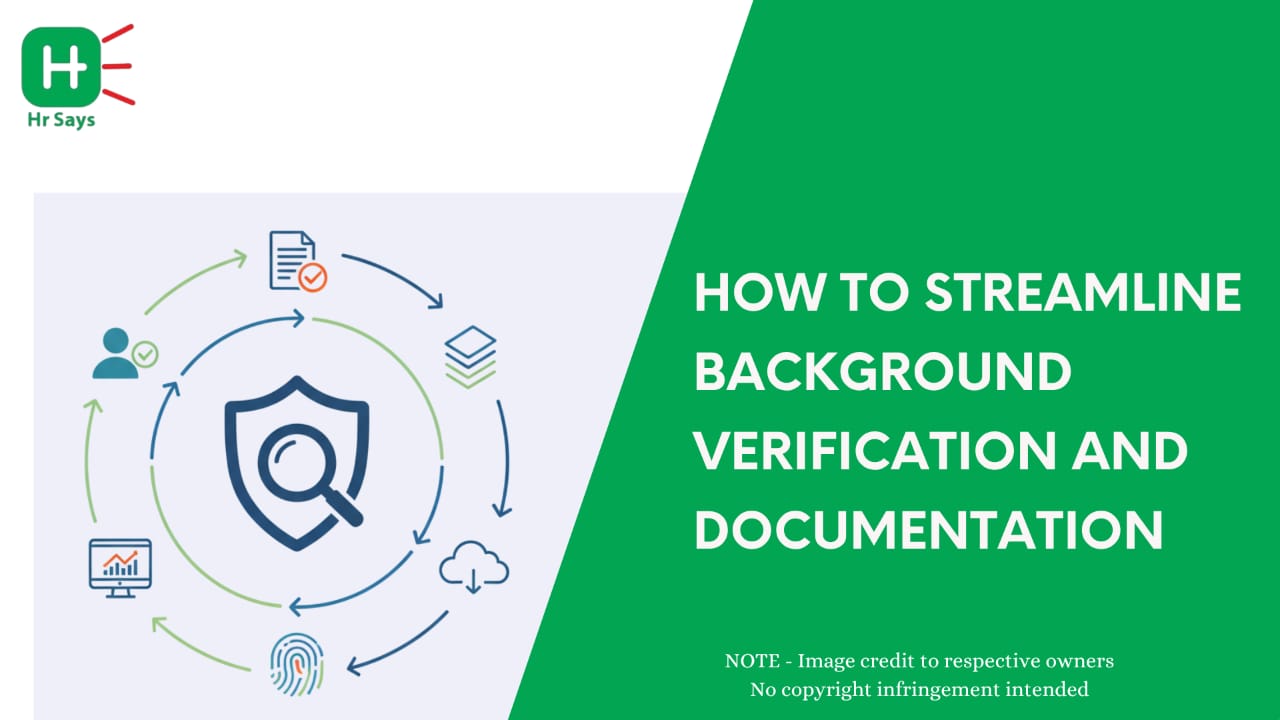
Establish steps such as: collect candidate consent, receive documents, verify identity and employment history, and log results. A clear path helps everyone stay aligned.
2. Use Reliable Verification Tools
Leveraging platforms that su pport automated checks for education, employment and criminal records reduces manual effort. For example, real-time verification tools are now used widely.
3. Centralize Documentation
All identity proofs, diplomas, experience letters and consent forms should be stored in one digital repository. This simplifies audit trails and document verification.
4. Automate Status Tracking and Alerts
Keep hiring teams and candidates informed with prompt status updates. Automation of notifications cuts down on follow-ups and idle waiting.
5. Communicate Clearly with Candidates
Transparency matters. Inform candidates about what checks will be done, why documents are needed, and expected timelines. This fosters trust and avoids surprises.
6. Ensure Compliance and Data Security
Collect consent, limit checks to relevant information, and protect all documents securely. This safeguards both organization and applicant.
Common Challenges and How to Tackle Them
• Incomplete documentation: Ensure candidates are given a clear list of required items up front.
• Slow responses from institutions or employers: Choose vendors who can access databases or follow up proactively.
• Manual-intensive verification: Shift repetitive tasks to automation where feasible.
• Global hires or cross-border checks: Partner with providers with international access and understanding of local laws.
Best Practices to Follow
● Standardize checklists for different roles to avoid reinventing for each hire.
● Create scorecards for findings (green, yellow, red) so decisions are consistent.
● Train HR teams regularly on documentation standards, verification tools and emerging trends.
● Review and update the process periodically to reflect new regulations, technologies or business needs.
Conclusion
Streamlining the background verification and documentation process is less about eliminating scrutiny and more about making it efficient, transparent and reliable. When workflows are clear, tools are smart and candidates are kept in the loop, hiring becomes faster and safer. Employers win trust, candidates feel respected, and risk is reduced.