 Saturday, October 24, 2026
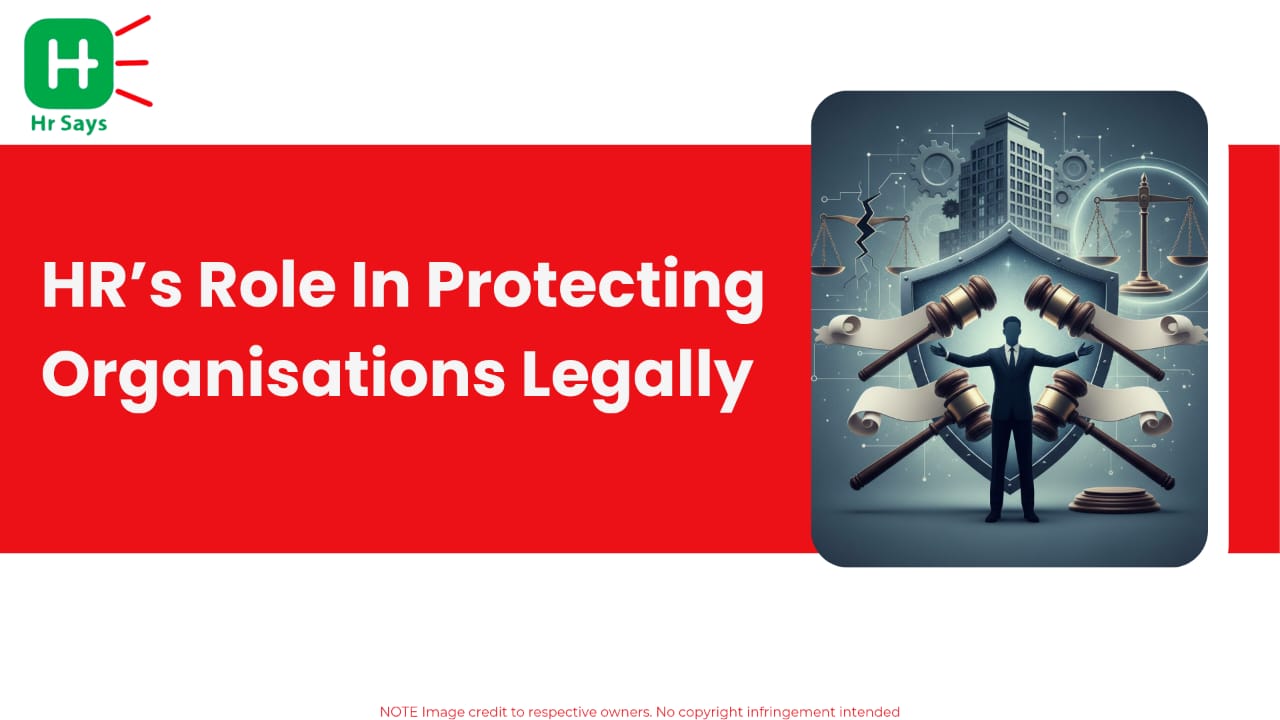
 HR plays a preventive legal role by ensuring compliance, clear policies, proper documentation
and fair processes. Through structured people management, organisations are protected from
avoidable disputes and regulatory risks.
HR plays a preventive legal role by ensuring compliance, clear policies, proper documentation
and fair processes. Through structured people management, organisations are protected from
avoidable disputes and regulatory risks.




In the background of every organisational success, silent systems are usually in operation. Policies are put in context, reports are kept, discussions are tracked. To a large extent, this is the role of the HR. Not theatrically, but procractively, towards the daily safeguarding of the organisation through the legal system.
HR As The First Line Of Legal Defence
Crisis is hardly a time when legal protection is developed. It is constructed significantly earlier, by genres and steadiness. The area of HR is the nearest to people processes, and there is the potential of most legal risks. The area of employment legislation, labour law, data and confidentiality, as well as other areas of workplace behaviour all overlap here. In cases where the processes are strategized, conflict situations are usually prevented before they get out of control.
Policy Frameworks That Reduce Legal Exposure
Clear policies act like quiet contracts. They set expectations and reduce ambiguity. HR is responsible for ensuring these documents are compliant with current labour laws and aligned with organisational reality.
Well written policies are not meant to intimidate employees. They are meant to guide behaviour and protect both sides.
Key policy areas commonly managed by HR include:
● Employment contracts and offer letters
● Anti harassment and POSH compliance
● Leave, attendance and wage policies
● Data privacy and confidentiality guidelines
When these are regularly reviewed and communicated, legal exposure is reduced significantly.
Compliance With Labour Laws And Regulations
Employment law compliance is rarely optional and often complex. Laws change, thresholds shift, and interpretations evolve. HR is expected to stay updated and translate legal requirements into daily operations.
Payroll accuracy, statutory benefits, working hours, termination processes and contractor management all fall under this umbrella.
Mistakes here are usually not intentional. They are often caused by outdated practices or poor documentation. Strong HR systems ensure compliance is not dependent on memory, but on process.
Documentation As Silent Legal Protection
In legal disputes, emotions carry little weight. Records do. HR ensures that documentation exists for key employee lifecycle events. Appraisals, warnings, policy acknowledgements and exit records are maintained quietly but carefully.
This documentation protects the organisation when decisions are questioned later.
Good documentation is not about mistrust. It is about clarity. When expectations and actions are recorded, misunderstandings are reduced.
Handling Employee Relations With Legal Sensitivity
Conflicts at work are natural. Legal risk arises when they are handled informally or inconsistently. HR plays a crucial role in ensuring fairness, neutrality and process.
Grievances, misconduct issues and disciplinary actions are handled with defined steps. This consistency becomes critical if matters reach legal forums.
Training That Prevents Legal Mistakes
Many legal issues arise not from policy gaps, but from untrained managers. HR bridges this gap through regular training. Topics like workplace harassment, ethical conduct, labour laws and performance management are covered proactively.
When managers understand legal boundaries, risky decisions are less likely to be taken.
Conclusion
HR does not replace legal teams, but legal safety often begins with HR. Through policies, compliance, documentation and training, risks are reduced long before lawyers are involved. Quiet diligence here protects the organisation when it matters most.