 Saturday, October 24, 2026
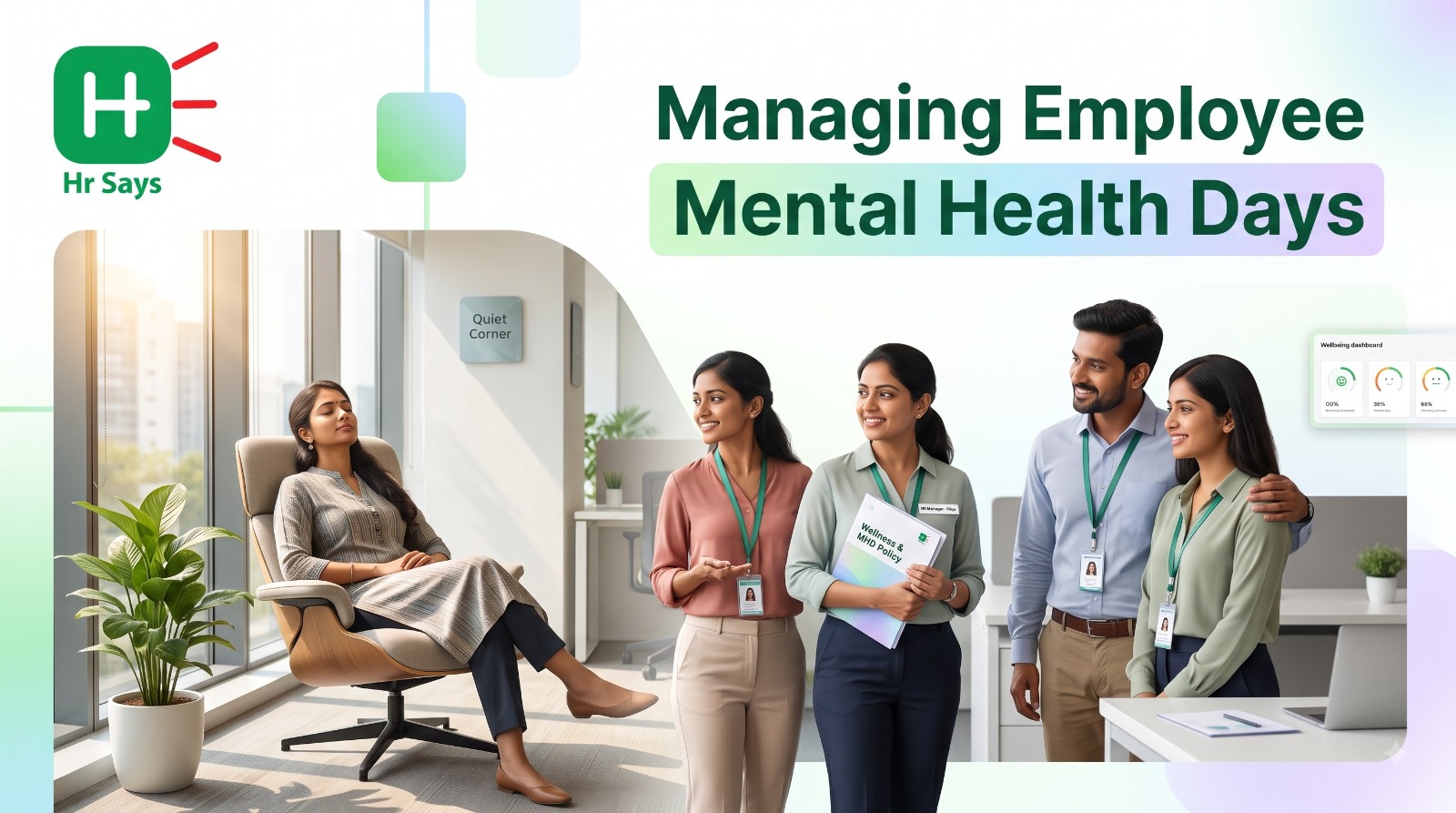
 Effective mental health leave policies help employees manage stress, emotional exhaustion, and burnout without stigma. Flexible leave, confidentiality, supportive managers, workload coverage, and EAP integration can improve well-being, productivity, and retention.




Workplace-driven chronic stress, emotional exhaustion, and occupational burnout have become leading causes of absenteeism, presenteeism, and voluntary turnover. Despite the widespread introduction of formal "Mental Health Days" and corporate wellness policies, a pervasive utilization gap remains: employees frequently avoid taking dedicated mental health leave due to career anxiety, social stigma, and fear of being perceived as underperforming or uncommitted.
When mental health policies exist solely as decorative benefits without intentional procedural design, employees push through acute cognitive fatigue until they experience severe burnout, prolonged medical leaves, or abrupt resignations.
Bridging the gap between policy existence and actual utilization requires an integrated operational framework: establishing clear, non-stigmatizing leave nomenclature, removing invasive medical certification barriers, training people managers in empathetic workload reallocation, and embedding mental health days into broader Employee Assistance Programs (EAPs) and organizational culture.
1. The Psychology of Non-Utilization: Understanding Employee Barriers
Structuring an effective policy requires analyzing why workers hesitate to use existing mental health benefits:
- The Stigma and Career Penalty Fear: Employees worry that disclosing mental health struggles or requesting psychological rest will signal weakness, leading to missed promotions, diminished project assignments, or subtle managerial bias.
- The "Catch-Up" Workload Paradox: Taking a single day off often results in an unmanageable backlog of emails, unassigned tasks, and double workloads upon return, making the act of taking leave more stressful than working through fatigue.
- Invasive Verification Friction: Policies requiring formal doctor prescriptions, psychiatric certificates, or invasive questionnaires for single-day rest periods create prohibitive administrative friction and violate personal privacy.
- Executive and Managerial Disconnect: When leadership models perpetual overwork and never openly utilizes rest days, a shadow culture emerges where taking time off is viewed as unaligned with company values.
2. Policy Architecture: Structuring Accessible Mental Health Leave
To drive authentic utilization, human resource leaders must replace rigid, legacy sick-leave models with flexible, psychologically safe structures.
A. Nomenclature and Leave Categorization- Integrated "Wellness / Personal Care" Pools: Group mental health days under broader, neutral categories such as Personal Well-Being Days, Rest and Recharge (R&R) Days, or General Sick/Wellness Leave. This allows employees to take time off without disclosing whether the need is physical, emotional, or psychological.
- Dedicated Standalone Mental Health Quotas: Alternatively, allocate a distinct, non-accumulative allotment (e.g., 4 to 6 designated mental health days per year) clearly labeled as proactive health interventions rather than emergency medical leaves.
- The "No-Questions-Asked" Protocol: For short-duration mental health absences (1 to 2 consecutive days), eliminate requirements for medical certificates, clinical diagnoses, or detailed explanations. Standard notification via self-service HRMS (e.g., marking "Personal Wellness Leave") should suffice.
- Short-Notice Eligibility: Mental health crises and cognitive fatigue rarely follow a two-week advance planning cycle. Allow same-day or evening-before notice protocols to manage acute stress spikes effectively.
- Confidentiality Safeguards: Ensure internal HR tracking systems protect employee medical data, preventing diagnostic disclosures from being viewed by immediate line managers or recorded in annual performance appraisals.
3. Managerial Playbooks: Operationalizing Support and Workload Coverage
A policy is only as effective as the managers who administer it. Middle managers must be equipped with practical workflows to support their teams without causing operational disruption:
- Proactive Cross-Training and Buddy Coverage: Pair team members under structured "Coverage Buddy" systems where core incoming requests, client emergencies, and urgent triage duties are automatically handled by a designated peer during an absence.
- Elimination of "Emergency" Contact Norms: Enforce a strict "off-the-grid" standard for mental health days. Managers and colleagues must not message, email, or call absent employees for non-critical status updates, ensuring genuine neurological decompression.
- Empathetic Return-to-Work Check-Ins: Upon an employee's return, managers should conduct brief, non-judgmental check-ins focused on workload prioritization (e.g., "Let's review your deliverables this week and identify what we can deprioritize or delegate"), rather than interrogating their absence.
- Leadership Role-Modeling: Senior executives and department heads must visibly log mental health and wellness days, speak candidly about rest in all-hands meetings, and disconnect during vacations to establish organizational permission.
4. Structural Comparison: Legacy Sick Leave vs. Modern Mental Health Leave Frameworks
- Leave Nomenclature & Classification:
- Legacy Sick Leave Model: Strict physical illness labeling; medical diagnoses required for categorization.
- Modern Mental Health Model: Integrated Personal Wellness / Mental Health Days without invasive categorization.
- Workplace Impact: Normalizes psychological rest on par with physical recovery.
- Verification & Documentation Thresholds:
- Legacy Sick Leave Model: Mandatory physician or specialist certificate even for short 24–48 hour absences.
- Modern Mental Health Model: Zero documentation required for 1–2 day wellness leaves; self-attestation via HRMS.
- Workplace Impact: Removes administrative barriers and respects employee privacy.
- Advance Notice Requirements:
- Legacy Sick Leave Model: Demands 24–48 hours advance notice or immediate proof of emergency hospitalization.
- Modern Mental Health Model: Accommodates same-day morning notifications to address sudden acute stress or insomnia.
- Workplace Impact: Prevents presenteeism and reduces on-the-job cognitive errors.
- Workload Mitigation & Coverage:
- Legacy Sick Leave Model: Work accumulates unattended on the employee's desk during absence.
- Modern Mental Health Model: Automated "Buddy Coverage" system handles incoming priorities and triages urgent tasks.
- Workplace Impact: Eliminates post-leave backlog anxiety and encourages true mental detachment.
- Managerial Culture & Tone:
- Legacy Sick Leave Model: Skeptical, compliance-driven managerial questioning upon return.
- Modern Mental Health Model: Supportive check-ins focused on task prioritization and resource allocation.
- Workplace Impact: Builds organizational trust, psychological safety, and long-term retention.
5. Strategic Implementation Roadmap for People Leaders
To build a high-utilization, supportive mental health leave ecosystem, organizations should execute a four-stage deployment plan:
- Stage 1: Revise and Modernize Leave Policies: Update employee handbooks to explicitly recognize mental and emotional well-being as valid reasons for sick/wellness leave, standardizing no-questions-asked guidelines for 1–2 day absences.
- Stage 2: Train Front-Line Managers: Conduct mandatory psychological safety workshops for all people managers, focusing on recognizing early signs of burnout (cynicism, withdrawal, dropped deadlines), managing coverage, and avoiding subtle guilt-tripping language.
- Stage 3: Integrate with Broader Support Ecosystems: Connect mental health leave tracking to Employee Assistance Programs (EAPs), subsidized therapy platforms, and digital mindfulness tools, providing ongoing clinical resources for employees experiencing chronic distress.
- Stage 4: Measure and Iterate Utilization Metrics: Track aggregated, anonymized leave utilization patterns across departments to identify systemic workload bottlenecks, high-stress teams, and areas where cultural resistance to taking leave persists.
10 Frequently Asked Questions (FAQs)
Q1. What is the standard definition of an employee mental health day?An employee mental health day is a planned or short-notice paid day off designed to manage psychological fatigue, acute stress, emotional exhaustion, or burnout, allowing the individual to rest, recharge, and maintain cognitive well-being without needing to declare a physical illness.
Q2. Should employees be required to provide a doctor's note for a mental health day?For short absences of 1 to 2 consecutive days, requiring a medical certificate creates unnecessary administrative friction and cost. Best-practice corporate policies use a self-certification / no-questions-asked model for single-day wellness leaves, reserving medical documentation solely for extended leaves (e.g., >3–5 consecutive days).
Q3. How can companies encourage employees to actually take mental health days without fear of stigma?Leaders and managers must actively role-model taking time off, eliminate invasive verification questions, provide clear workload-coverage mechanisms so employees do not return to a massive backlog, and openly communicate that mental rest is valued.
Q4. What is the difference between a mental health day and regular PTO or vacation?Vacations are generally planned weeks or months in advance for leisure, travel, or family commitments. Mental health days are short-notice, tactical health interventions used to address acute emotional fatigue, sleep deprivation, or cognitive overload before it develops into clinical burnout.
Q5. Can an employer ask an employee what they did on their mental health day?No. An employee's activities during their approved paid time off are private. Managers should never inquire about personal activities during leave and should focus solely on operational coverage and work prioritization upon their return.
Q6. How do mental health days impact company productivity and presenteeism?While some employers worry about lost working hours, evidence shows that taking proactive rest days dramatically reduces presenteeism (being physically at work but mentally unproductive), prevents costly workplace mistakes, and lowers long-term healthcare claims and turnover.
Q7. How many mental health days should an organization provide annually?Leading progressive organizations offer between 4 and 6 dedicated mental health/wellness days per year, or allow employees to use their existing general sick/personal leave allocations (typically 12–15 days annually) interchangeably for physical or psychological reasons.
Q8. What should a manager do if an employee frequently takes unplanned mental health days?Frequent, repeated short-notice absences often signal underlying systemic workload overload, toxic team dynamics, or a deeper personal health challenge. The manager should initiate a private, empathetic conversation focused on support, reviewing project scope, adjusting deadlines, and connecting the employee with company EAP therapy resources.
Q9. Are mental health days encashable upon resignation or retirement?Under standard corporate governance, mental health and wellness days are designed as non-accumulative health interventions. Like traditional sick leave, they are non-encashable and lapse at the end of each annual cycle, encouraging employees to use them for rest throughout the year rather than hoarding them for financial payout.
Q10. What is "Company-Wide Collective Rest" and how does it compare to individual mental health days?Company-wide rest days (e.g., quarterly "Wellness Fridays" or organization-wide mental health days) occur when the entire company shuts down simultaneously. Because all internal communications and meetings pause together, employees can completely disconnect without experiencing the fear of missing urgent messages or falling behind peers.