Search Results

You searched for : EmployeeWellbeing  

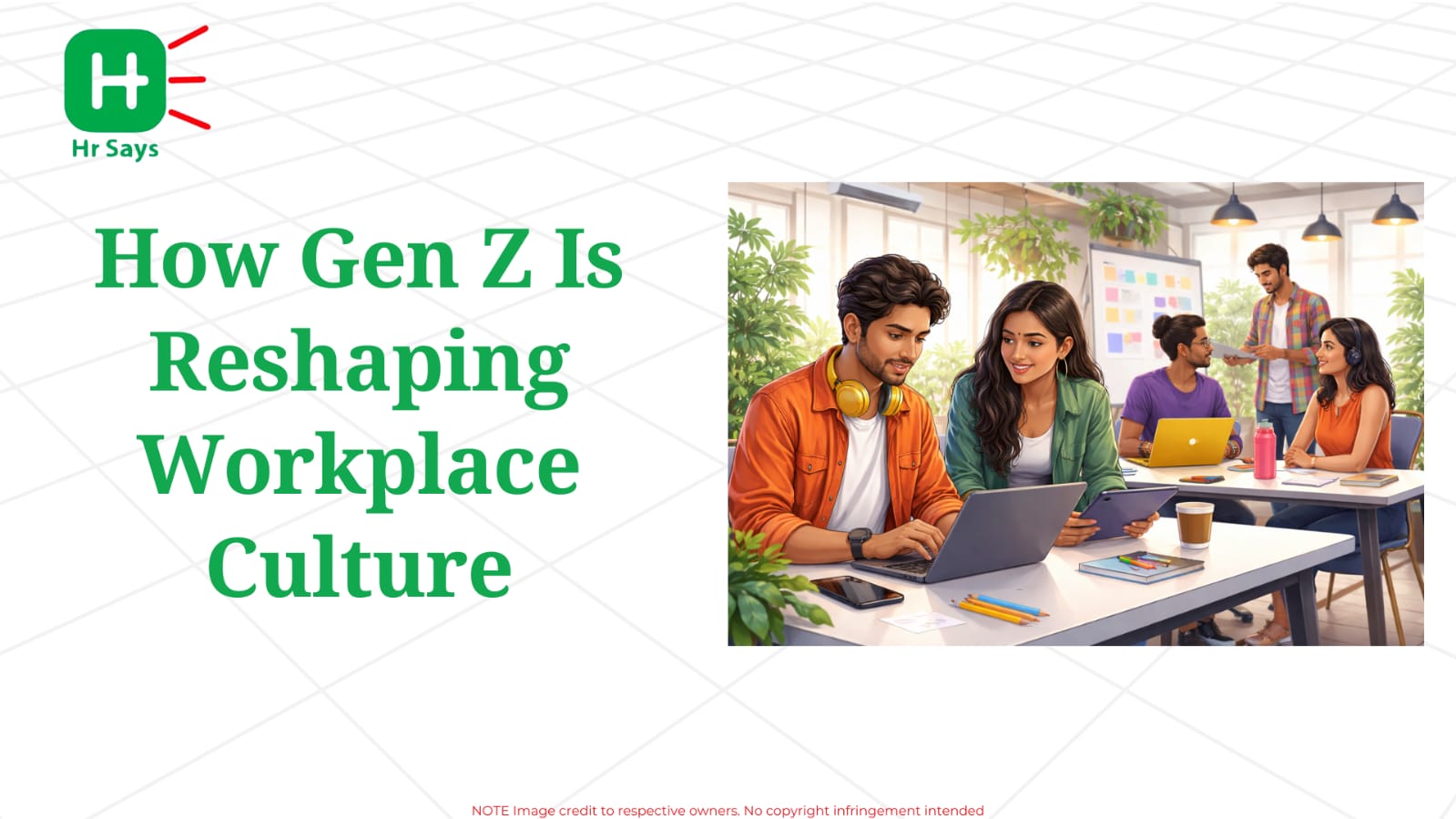
How Gen Z Is Reshaping Workplace Culture

Gen Z is reshaping workplace culture through demands for flexibility, transparency, mental health awareness, and purpose driven work. Their influence is encouraging organizations to rethink ...
Mar 14

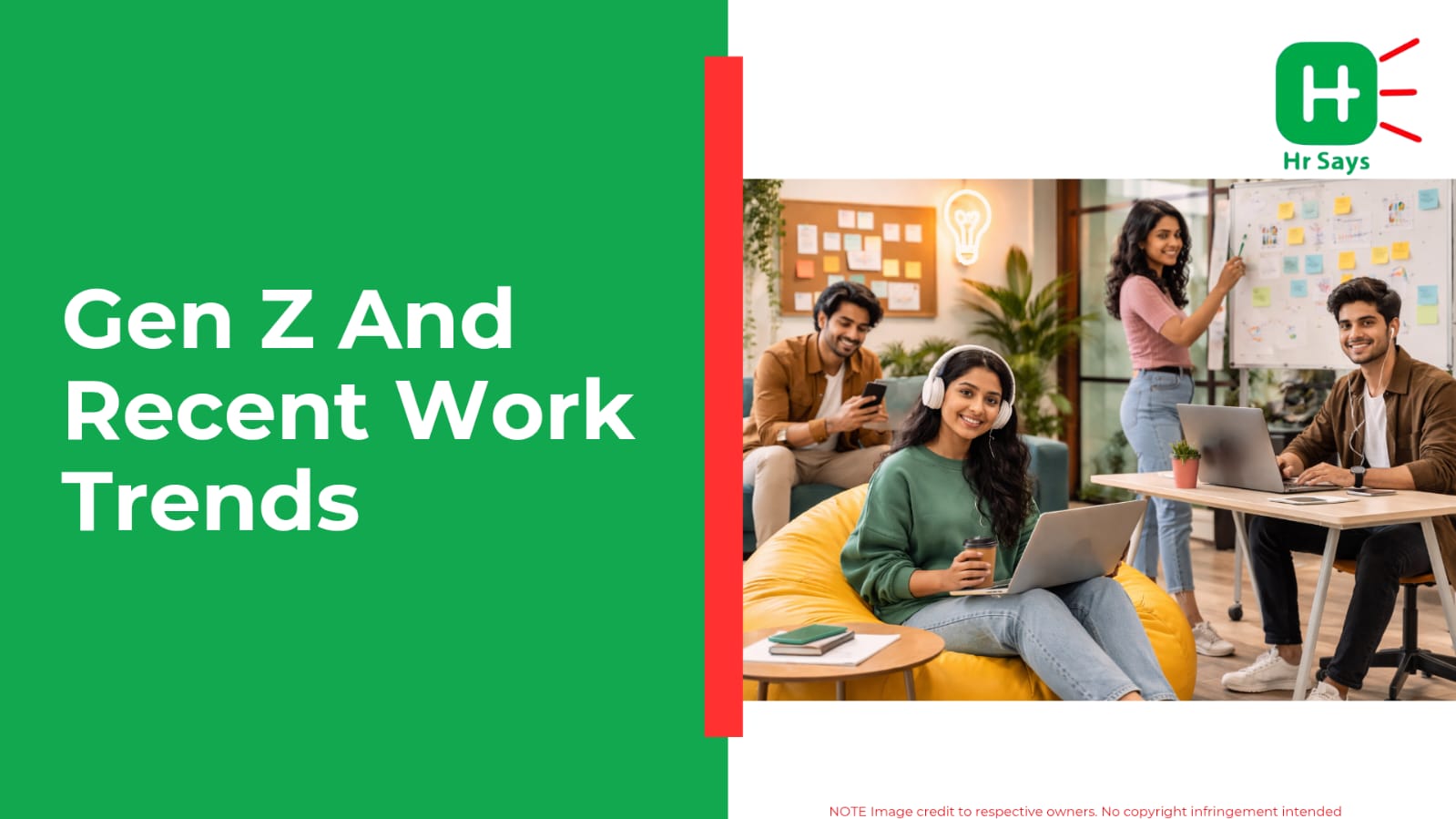
Gen Z And Recent Work Trends

Gen Z is transforming the current working culture to emphasize purpose, flexibility, and well-being. It is recommended that employers should develop rewarding job opportunities, ...
Mar 13

Employee Financial Wellness Explained

...
Mar 06

Designing A Winning Total Rewards Strategy

A total rewards strategy combines compensation, benefits, recognition, and growth to support retention and engagement. When aligned with business goals and modern workforce expectations, it ...
Mar 02

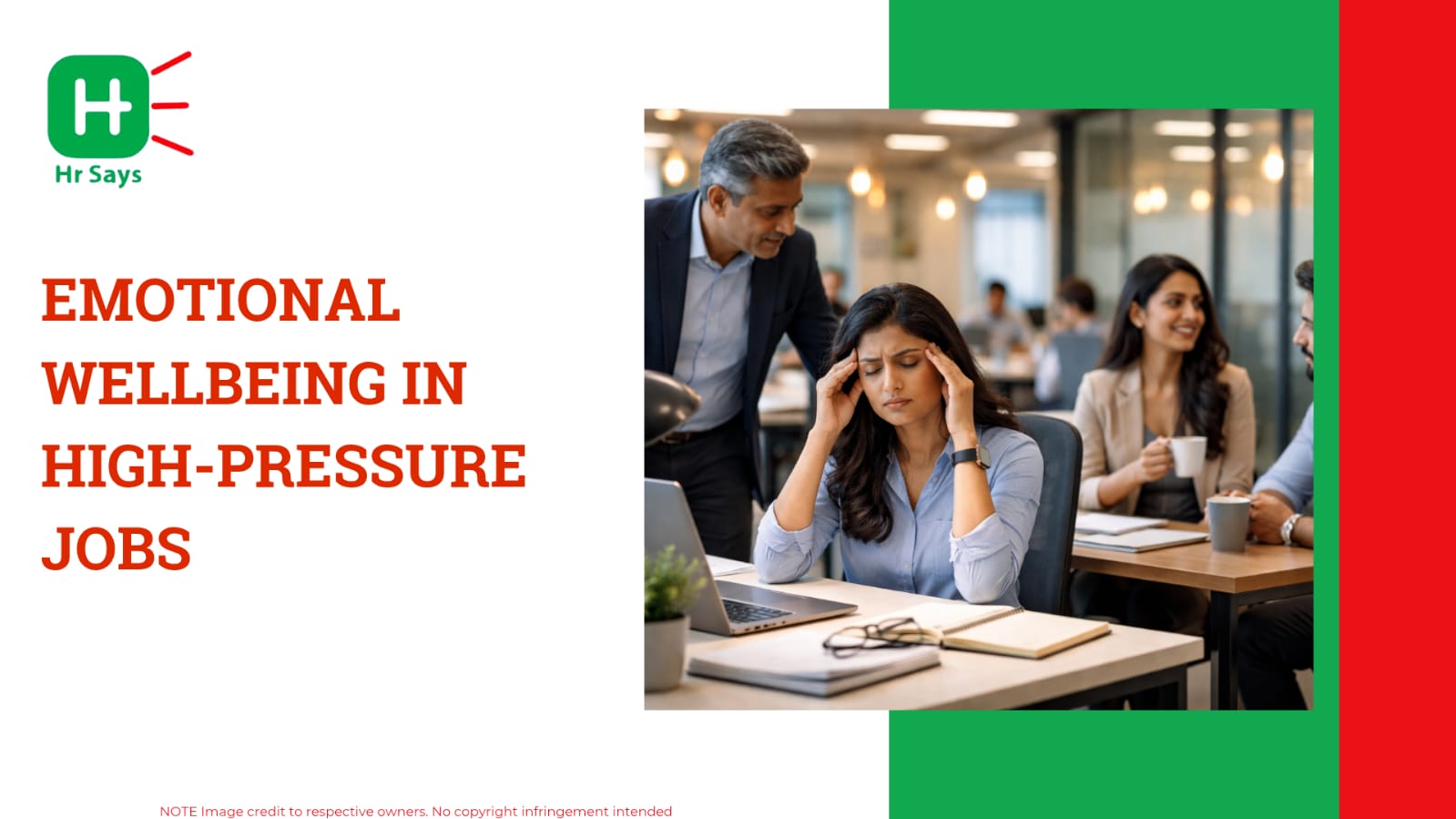
Emotional Wellbeing in High-Pressure Jobs

...
Feb 28

Breaking Mental Health Stigma at Work

Mental health stigma in the workplace continues to affect productivity, engagement, and employee wellbeing. By changing language, strengthening leadership support, and implementing practical policies, organizations ...
Feb 28

Measuring The Impact Of Wellbeing Programs

Workplace wellbeing programs require structured measurement to demonstrate value. By combining quantitative metrics, qualitative feedback, and business performance indicators, organizations can evaluate real impact and ...
Feb 28

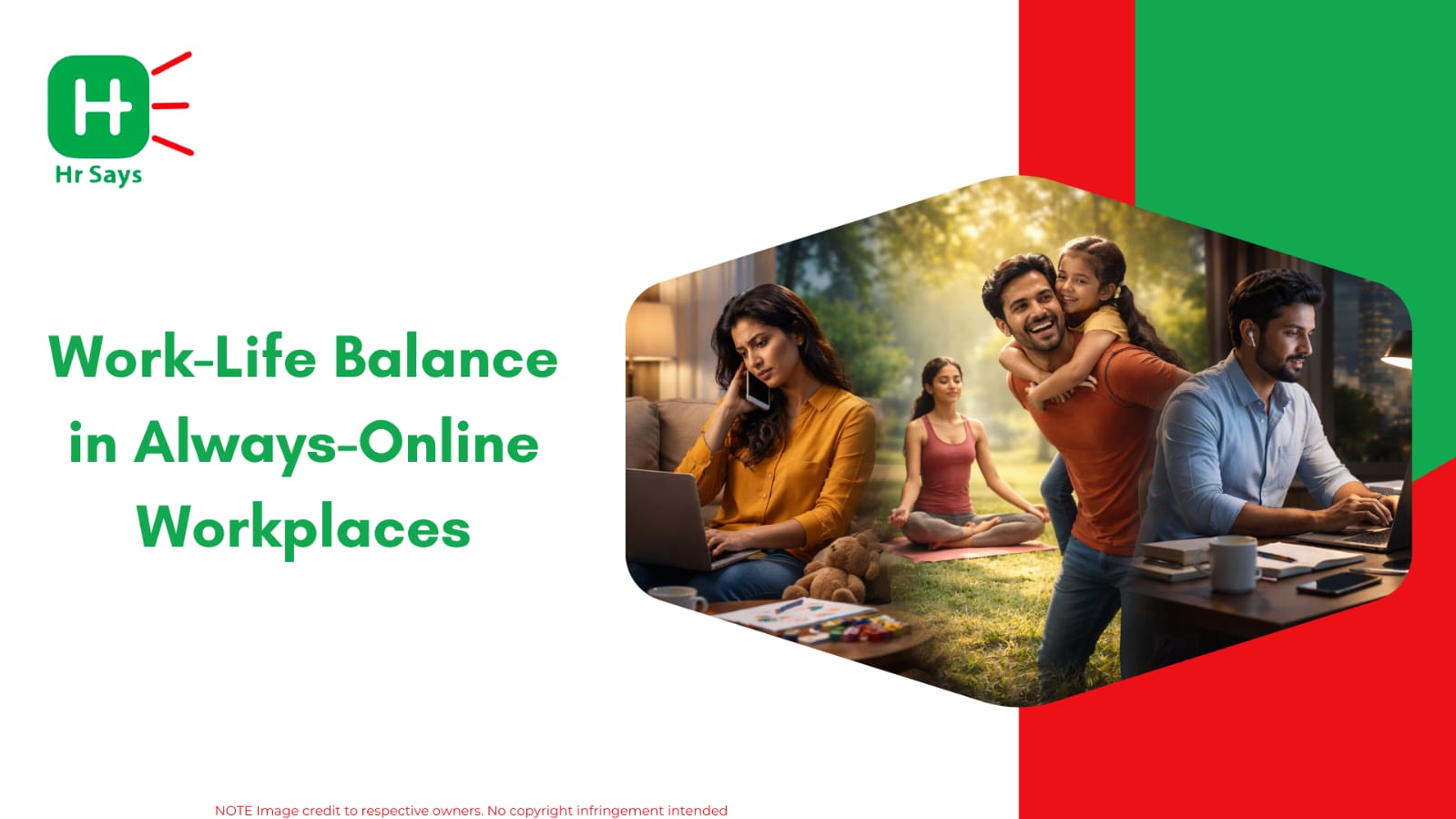
Work-Life Balance in Always-Online Workplaces

...
Feb 28

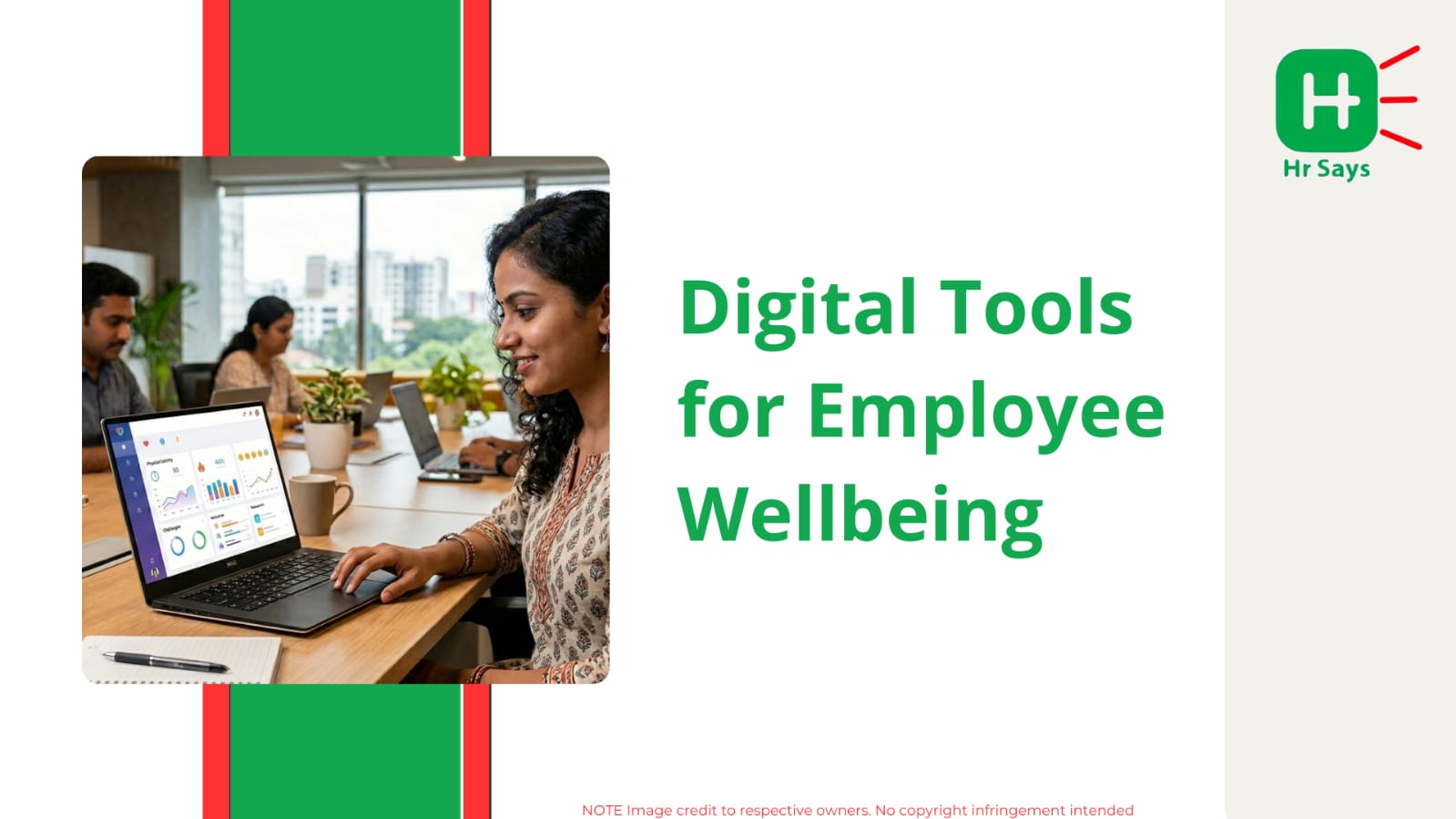
Digital Tools for Employee Wellbeing

Digital tools are transforming employee wellbeing strategies through mental health apps, engagement platforms, and wellness tracking systems. While scalable and data driven, their impact depends ...
Feb 28

Training Managers To Support Mental Health

Manager mental health training strengthens psychological safety, improves burnout prevention, and supports employee wellbeing. When practical tools, active listening, and clear referral systems are provided, ...
Feb 28

Burnout at Work and How to Prevent It

Burnout at work develops gradually through unmanaged stress and blurred boundaries. Prevention requires structured breaks, realistic goals, strong support systems, and intentional work life balance ...
Feb 26

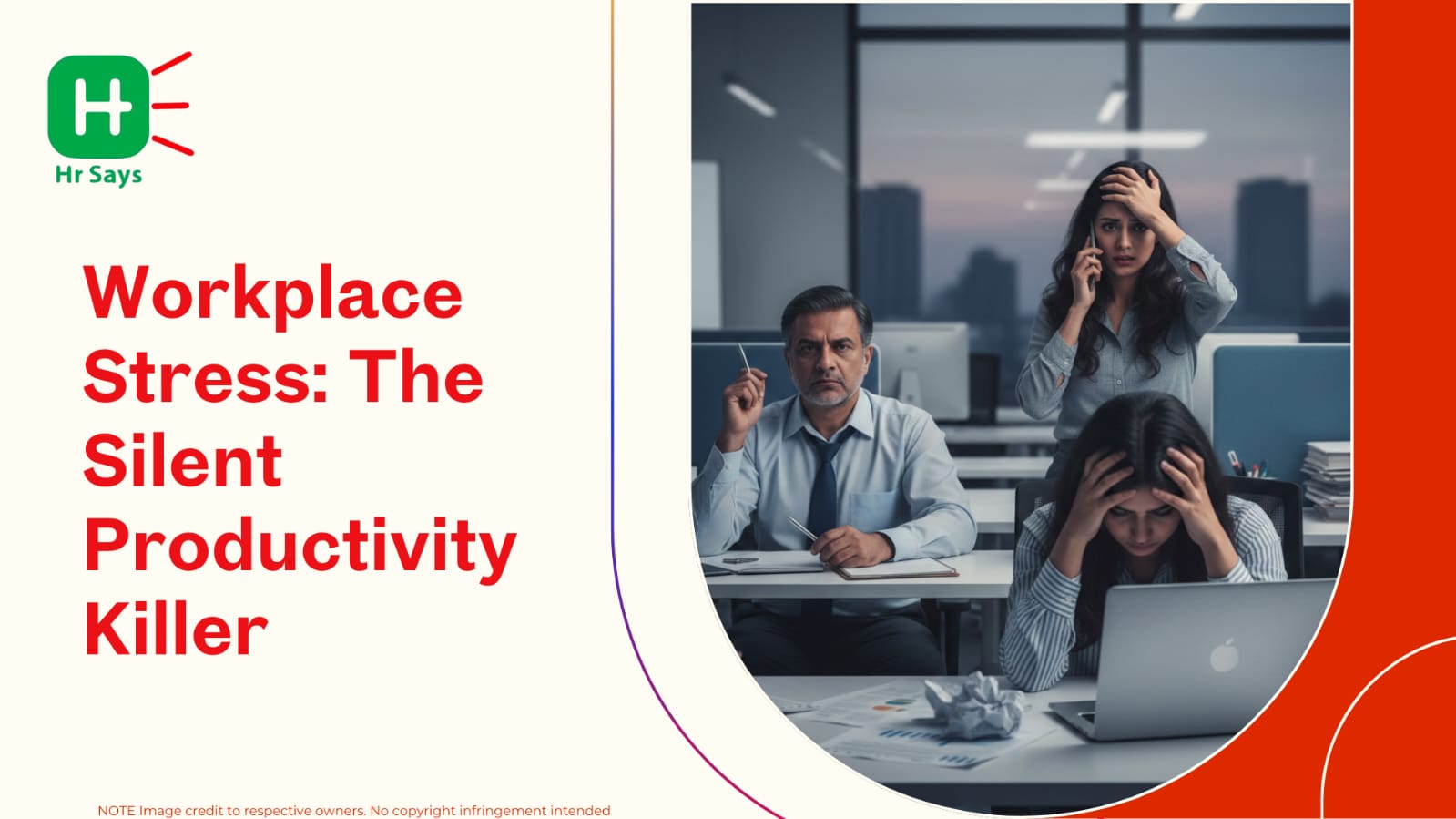
Workplace Stress: The Silent Productivity Killer

...
Feb 26

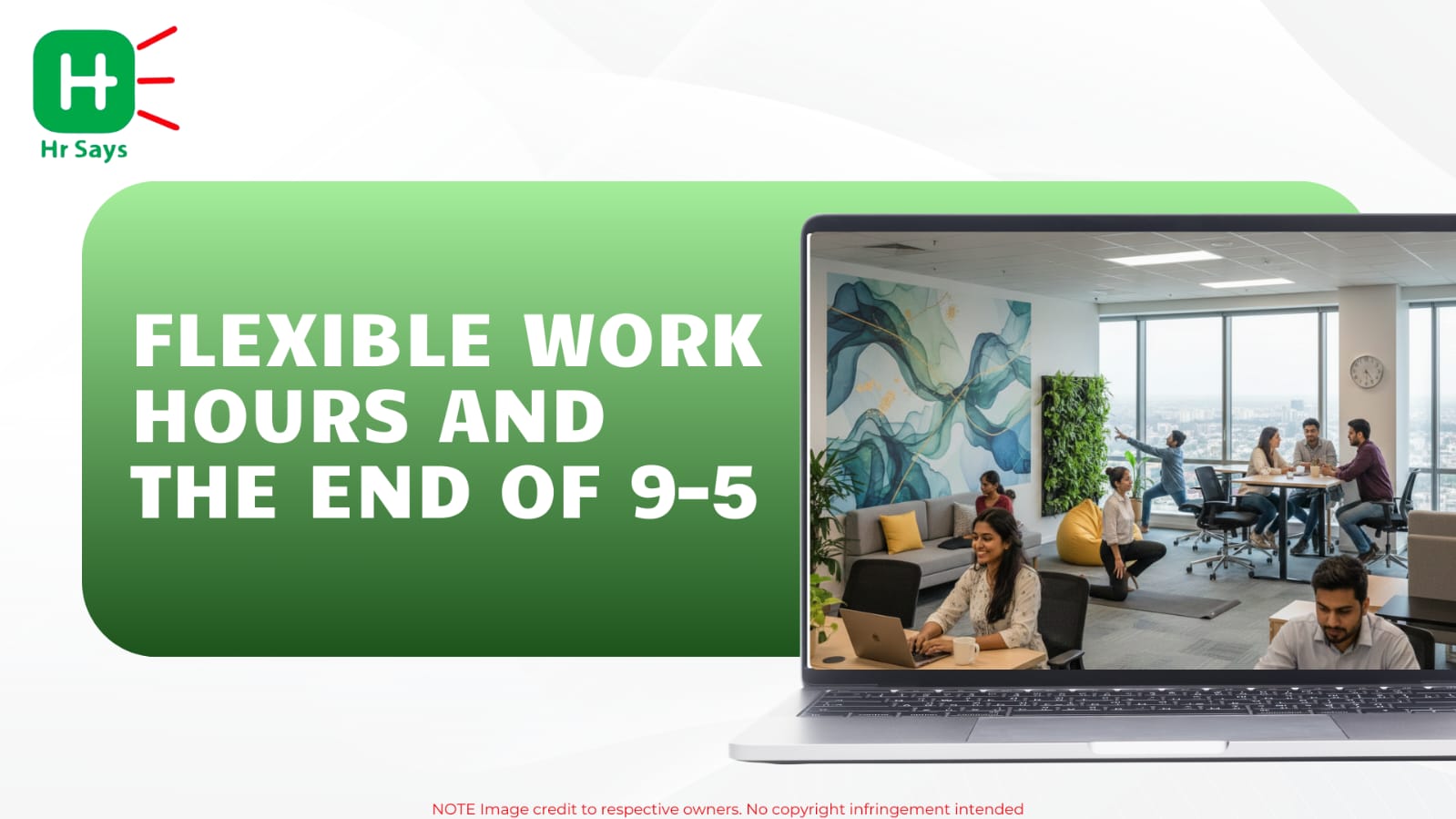
Flexible Work Hours and the End of 9–5

Flexible work hours are reshaping modern employment by shifting focus from fixed schedules to outcomes. This change reflects evolving productivity models, hybrid work realities, and ...
Feb 09

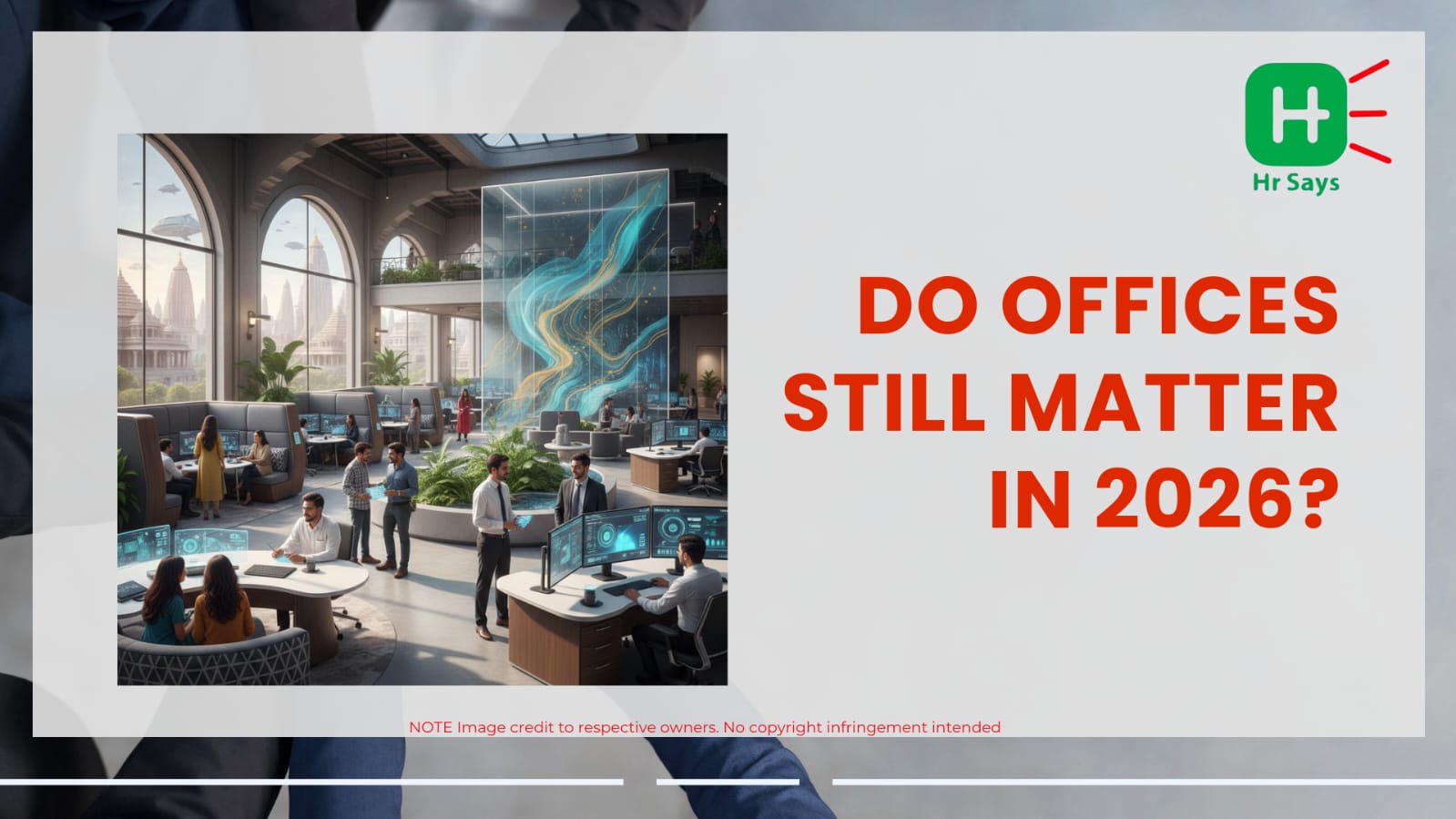
Do Offices Still Matter in 2026?

Offices in 2025 have shifted from mandatory spaces to purposeful environments. Their relevance depends on collaboration needs, culture building, and employee choice. Flexible, hybrid models ...
Feb 07

Human Judgment vs AI Decisions in HR

AI is transforming HR through data-driven efficiency, while human judgment preserves empathy, context, and ethics. This blog explores how balanced collaboration between technology and ...
Feb 04

What The Next Generation Expects From HR

The next generation expects HR to move beyond policy enforcement into culture building. Purpose, flexibility, transparency, mental health support, and inclusive growth are being valued ...
Feb 02

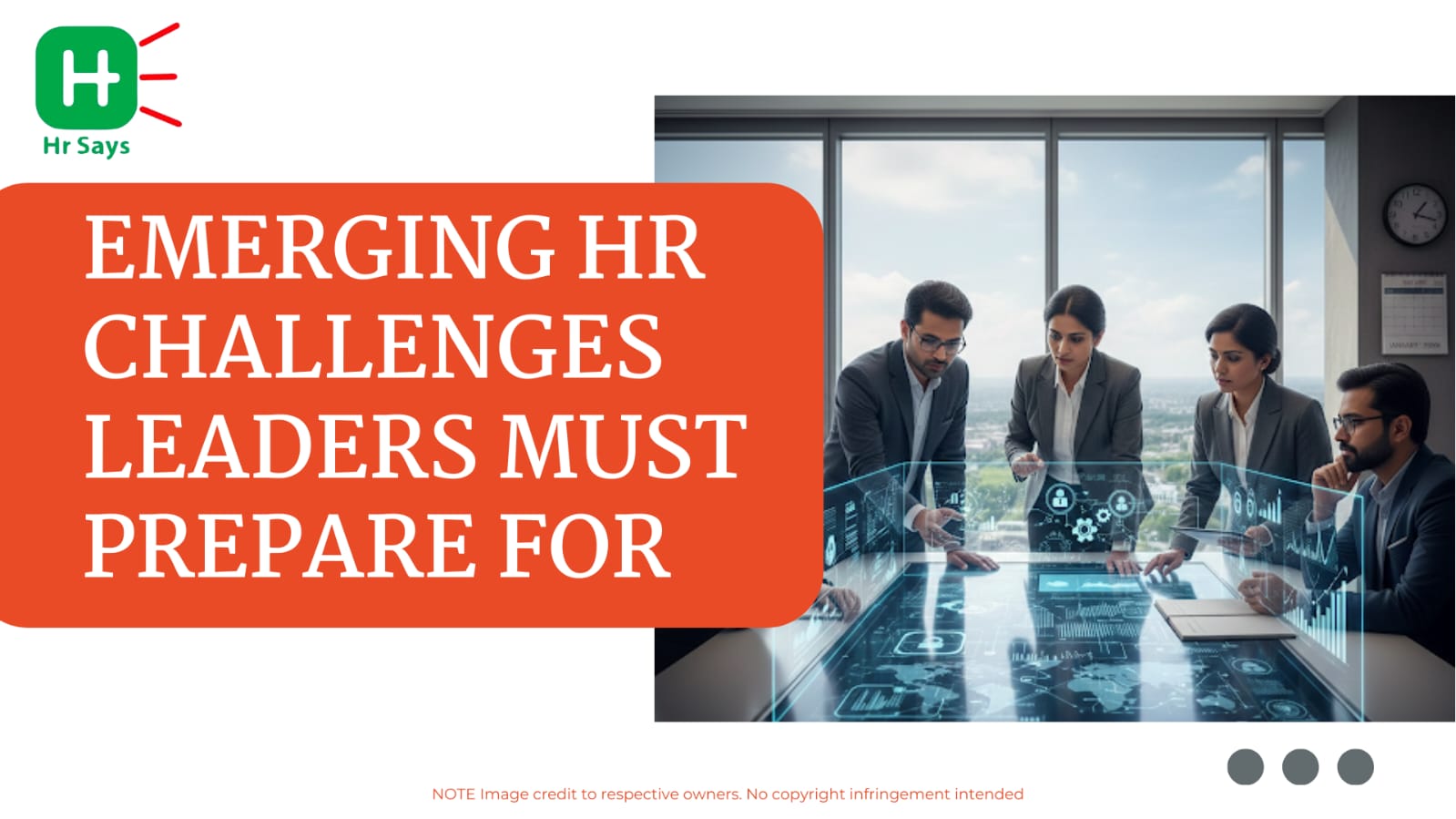
Emerging HR Challenges Leaders Must Prepare For

Emerging HR challenges are being driven by hybrid work, employee wellbeing demands, AI disruption, DEI accountability, and evolving compliance. Strategic preparation, ethical decision making, and ...
Jan 31

How HR Roles Are Changing In Modern Organisations

HR roles are evolving from administrative functions to strategic, people-centric leadership positions. Technology, employee experience, skill development, and inclusion are redefining how HR contributes ...
Jan 29

How HR Systems Impact Employee Trust

Employee trust is influenced by how HR systems function in practice. Transparency, consistency, data privacy, and fairness within HR processes shape daily experiences, quietly determining ...
Jan 27

When HR Must Challenge Management Decisions

HR must challenge management decisions when ethical, legal, or people-related risks emerge. By acting as a strategic counterbalance, HR protects employees, organizational culture, and ...
Jan 23

Balancing Business Needs With Employee Wellbeing

Balancing business needs with employee wellbeing requires structure, empathy, and realistic expectations. Sustainable productivity is supported through thoughtful leadership, psychological safety, and smarter workload design ...
Jan 22

Understanding Employee Intent Before Resignation

Employee intent forms long before resignation decisions are shared. By recognizing early behavioral signals, fostering psychological safety, and engaging in meaningful dialogue, organizations can reduce ...
Jan 21

Retention Risks HR Should Identify Early

Employee attrition often begins silently through disengagement, burnout, and cultural misalignment. This blog explores early retention risks HR should monitor, highlighting subtle warning signs and ...
Jan 21

HR’s Role In Driving Productivity Ethically

Ethical productivity is shaped by culture, systems, and leadership. This blog explores how HR enables sustainable performance through fairness, trust, and responsible data use, while ...
Jan 12

Building Trust During Sensitive Employee Issues

Trust is tested during sensitive employee issues where emotions and uncertainty intersect. This blog explores how clear communication, aligned leadership, and consistent processes help build ...
Jan 08

25 Matching result(s) found!