 Saturday, October 24, 2026
.jpeg)
 AI-driven job portals are reshaping recruitment through automation, predictive analytics, and data-driven insights. By combining technology with human intelligence, organizations achieve faster, fairer, and more strategic hiring outcomes in a transforming HR landscape.




What role has artificial intelligence played in the selection process of the right people by companies? The AI-based job portals are accelerating talent acquisition as faster than ever, because they are used to screen resumes and evaluate applicant success based on search results. Recruiters do not have to waste hours going through profiles. Rather, data and algorithms handle the computing.
Changing Landscape of Hiring
The hiring was manual and the traditional hiring was slow and usually discriminatory in nature. If thousands of applications were received, recruiters were to filter them and eventually shortlist. However, the situation today is different with AI in HR management. Job portals have become a smart task depending on intelligent algorithms to match the suitable talent with suitable position.
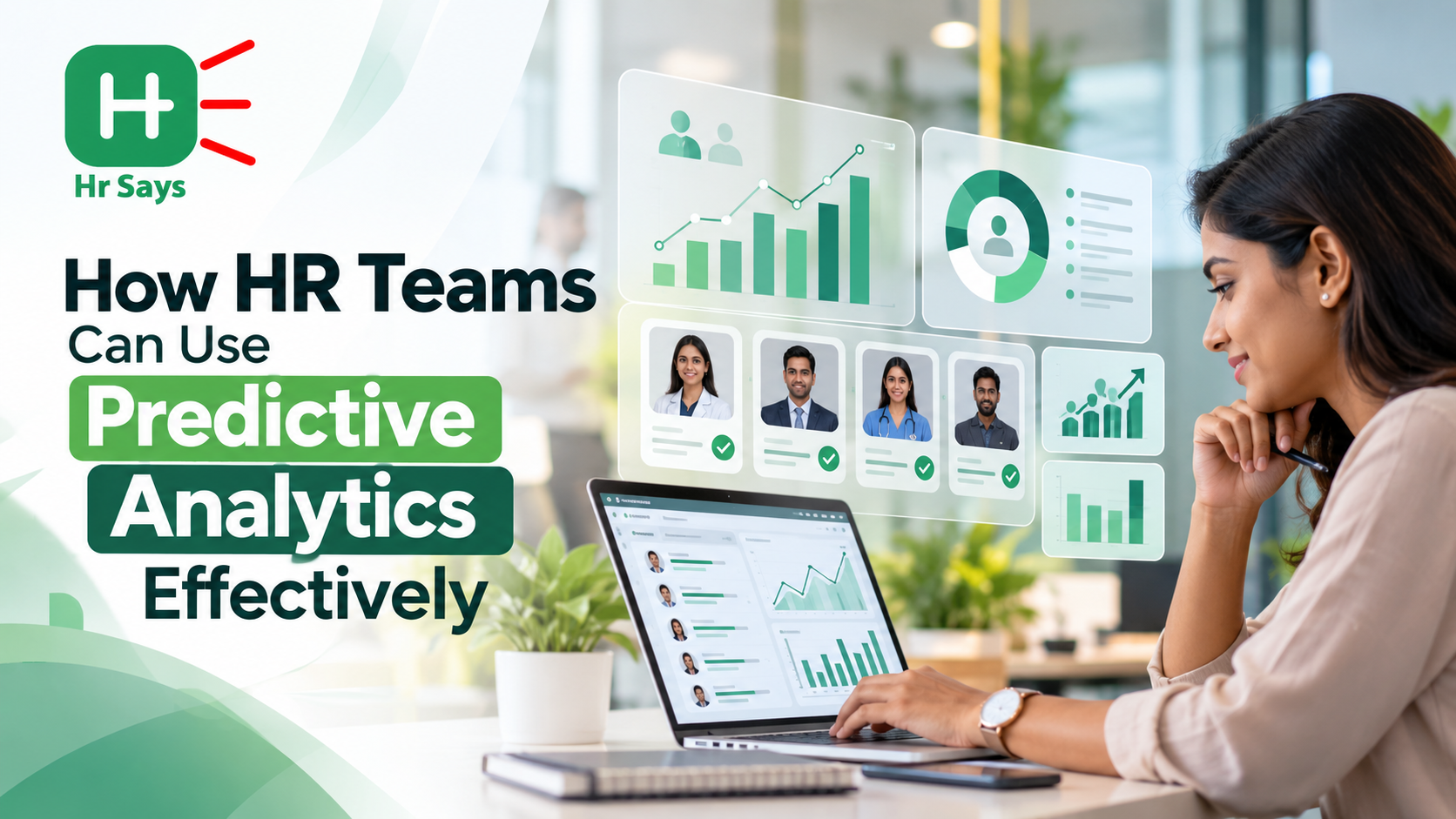
HR analytics and the use of data in decision making are applied at these platforms in order to identify skills, experience and cultural fit. The outcome is improved hiring speed, alignment and efficiency and lowered hiring expenses.
Why AI Matters in Recruitment
AI simplifies every stage of recruitment. From drafting job descriptions to evaluating resumes, it ensures precision and consistency. For HR professionals, it means more focus on people and less on paperwork.
● Automated Screening: Filters irrelevant applications and prioritizes strong profiles.
● Predictive Hiring: Uses data to forecast candidate success.
● Bias Reduction: Removes unconscious human bias from hiring decisions.
● Enhanced Candidate Experience: Personalized communication improves engagement.
This shift supports career growth for HR professionals, allowing them to move from administrative tasks to strategic roles.
Smarter Job Matching with Data
AI-powered portals analyze patterns across millions of profiles. They understand what works for each company and adjust accordingly. The best part? They continuously learn from recruiter feedback.
Such systems operate like an intelligent network—constantly improving accuracy and candidate quality. This aligns with modern HR digital transformation trends 2025, where analytics and automation work together for better outcomes.
Recruiters can now:
● Match candidate skills with job requirements in seconds.
● Identify passive candidates who fit long-term needs.
● Track performance metrics for continuous improvement.
Redefining Recruiter Roles
The rise of AI doesn’t mean recruiters are becoming obsolete. Instead, their roles are evolving. They now focus on human connection, empathy, and communication—qualities machines cannot replace.
AI handles repetitive work, while HR professionals bring emotional intelligence to the table. This combination drives better decisions and stronger teams. The future of HR in India clearly leans toward tech-empowered human roles, not tech-replaced ones.
Challenges and Considerations
While AI brings efficiency, it also raises concerns. Data privacy, algorithmic bias, and overreliance on technology can impact fairness. Companies must ensure transparency and continuous monitoring of AI tools.
The goal should be balance—where automation supports human judgment, not replaces it. Ethical use of data remains key in the digital transformation in Indian healthcare and HR sectors alike, showing how both fields must evolve responsibly.
Future of Talent Acquisition
Looking ahead, AI will continue to shape hiring. We’ll see predictive tools that go beyond skills—analyzing personality, communication style, and team compatibility. AI will also help recruiters forecast workforce needs, ensuring proactive hiring strategies.
As organizations adapt, HR automation benefits for companies will multiply, driving efficiency and employee satisfaction. The next wave of talent acquisition will rely on AI, but it will still need the human touch to make it meaningful.
Conclusion
AI-driven job portals are not just tools; they are catalysts of change in recruitment. They save time, enhance decision-making, and support a more data-driven HR culture. Yet, technology alone is not enough. The most successful organizations will be those that blend AI efficiency with human empathy—creating hiring experiences that are both smart and humane.