Saturday, October 24, 2026
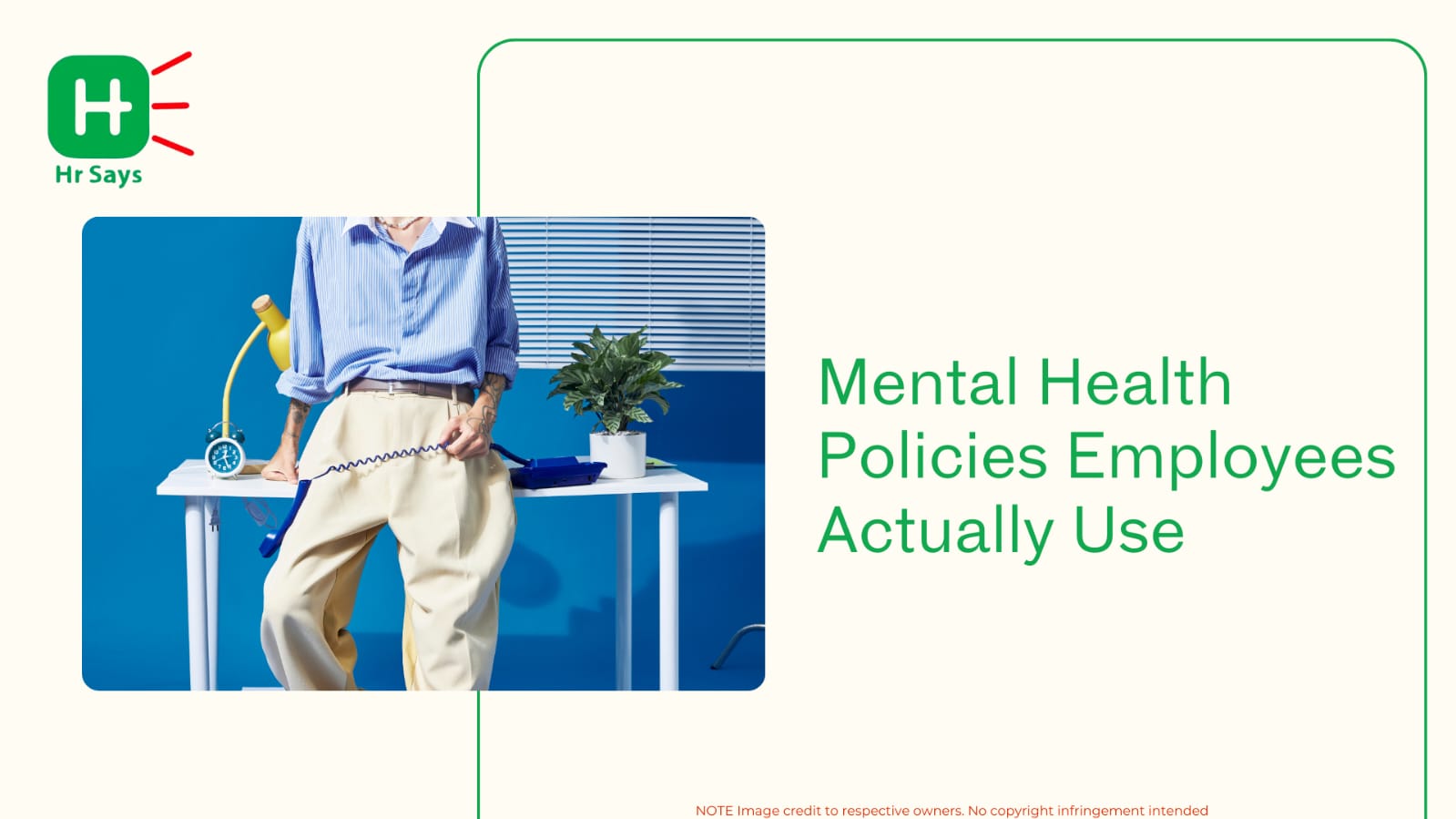
 Effective workplace mental health policies are those that are simple, trusted, and easy to access. Flexible work, stigma free leave, trained managers, digital therapy platforms, and consistent communication increase real usage and strengthen psychological safety across organizations.




There is more open discussion regarding stress in the workplace as it has ever been. There are however a lot of untapped policies in HR portals. What really matters is not what appears on a piece of paper, but one readily available during a challenging Monday morning. Simply visible and stigma-free support will be the real effect.
Why Many Workplace Mental Health Policies Fail
The fundamental reasoning is that it is assumed that it is sufficient to provide counseling sessions or Employee Assistance Program. Nonetheless, the level of usage is low in industries. Mental health benefits are often used with low rates of utilization since they are not incorporated into the everyday work culture.
Policies are sometimes written in complex language. Access steps may feel bureaucratic. Confidentiality may be questioned. Employees hesitate.
Common barriers include:
● Fear of being judged by managers
● Lack of awareness about available resources
● Complicated approval processes
● Policies that exist but are not normalized
Mental health support must be experienced, not just announced. When communication is unclear, trust is weakened. When leaders do not model vulnerability, silence is reinforced. Trending conversations around workplace wellbeing, psychological safety, and burnout prevention have made one thing clear. Accessibility matters more than optics.
Mental Health Policies Employees Actually Use
What gets used is what feels safe, easy, and real. Practical mental health initiatives tend to succeed when friction is removed and empathy is visible.
Flexible Work Arrangements
Remote work and hybrid schedules are now considered foundational to employee wellbeing. Flexibility reduces commuting stress and allows personal responsibilities to be managed with dignity.
Usage increases when:
● Flexibility is offered without excessive documentation
● Managers are trained in outcome based evaluation
● Trust is emphasized over surveillance
Work life balance is strengthened quietly. Productivity is often maintained.
No Questions Asked Mental Health Days
Mental health days are most effective when explanation is not demanded. When a simple leave request can be submitted without justification, dignity is preserved.
A culture of trust is built when employees are not required to disclose personal struggles. Absenteeism may actually decrease over time because burnout is prevented early.
Manager Mental Health Training
Policies become usable when managers are trained to recognize early signs of stress and anxiety. Without this layer, formal programs remain invisible.
Training programs often include:
● Active listening techniques
● Burnout risk indicators
● Safe conversation frameworks
● Referral pathways to HR support
Psychological safety is strengthened when conversations are normalized at team level.
Confidential Digital Therapy Platforms
Digital mental health platforms have gained traction due to privacy and convenience. Employees are more likely to engage when access is discreet.
Usage improves when:
● Sign up processes are simple
● Sessions are available outside work hours
● Anonymity is clearly communicated
Teletherapy and mental health apps are often preferred over in person options, especially in corporate environments.
Clear Communication and Regular Reminders
Even strong policies fail when they are forgotten. Mental health benefits should be repeated during onboarding, town halls, and performance review cycles.
Consistency builds awareness. Awareness builds usage.
Short reminders, internal newsletters, and manager check ins make support feel present rather than occasional.
Conclusion
Mental health policies are not judged by how comprehensive they appear. They are judged by whether they are used during moments of quiet struggle. Simplicity, privacy, leadership modeling, and cultural reinforcement determine success. When support feels human, employees reach for it.