 Saturday, October 24, 2026
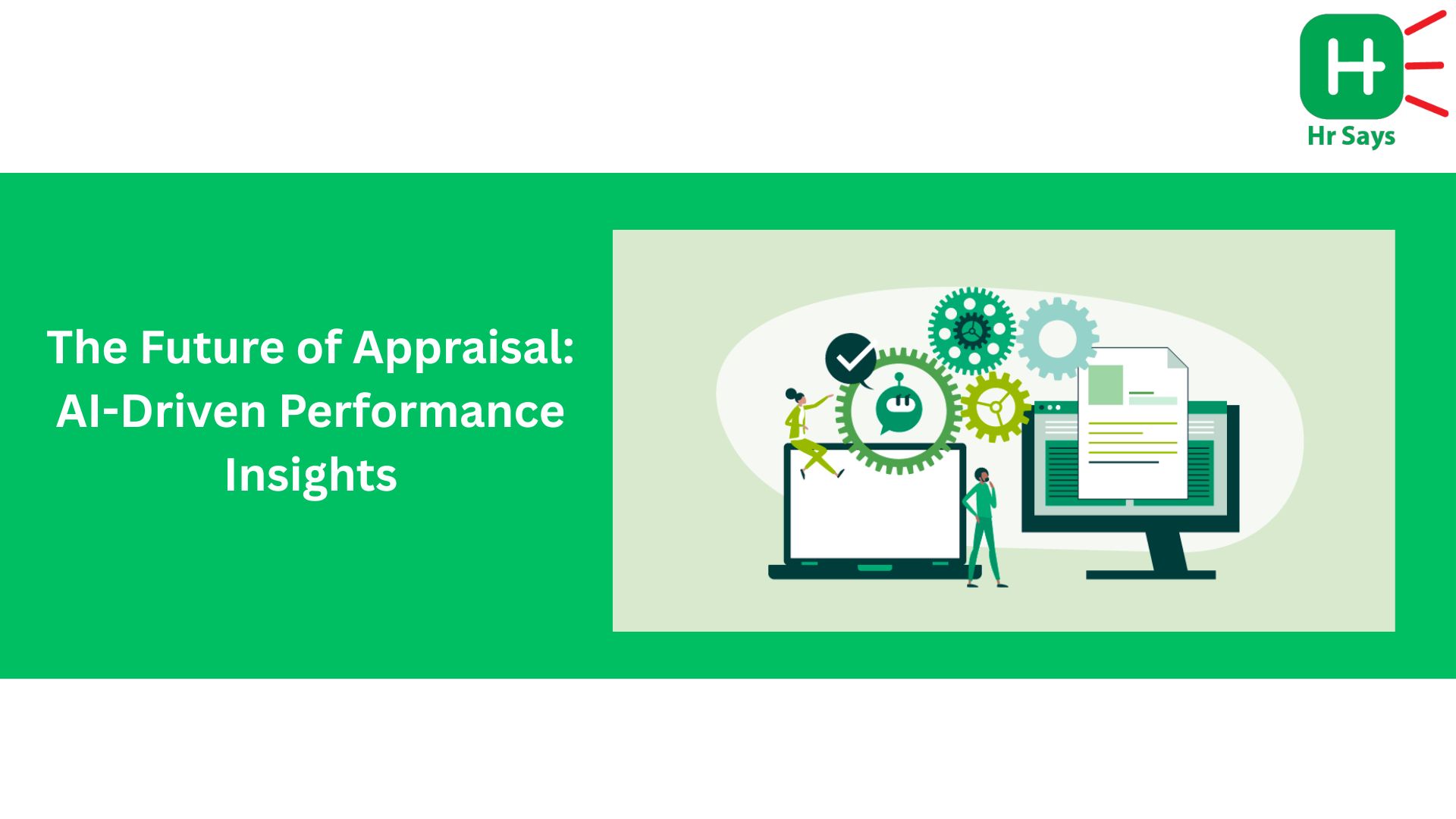
 AI driven performance appraisal brings clarity, fairness, and real time insights into modern
workplaces. With predictive analytics and continuous feedback, organizations can create
balanced, transparent, and data guided evaluation systems that support long term employee
development.
AI driven performance appraisal brings clarity, fairness, and real time insights into modern
workplaces. With predictive analytics and continuous feedback, organizations can create
balanced, transparent, and data guided evaluation systems that support long term employee
development.




What is so obsolete about performance evaluation in the changing work environment? The transition to AI-based appraisal systems is already causing change in the way feedback, productivity rates, and developmental discussions are managed throughout working settings. Employees want clarity. Managers want accuracy. AI is directly entering that field.
Why Performance Appraisal Needed a Shift
Conventional assessment has been becoming irrelevant. Reviewing on a quarterly basis is slow in work cultures that are fast paced. Unreliable ratings influence credibility. And hybrid teams get more challenging to assess manually. This new scenery compelled organizations to discover smarter machine learning-driven, predictive analytics-driven, and real time insights-driven performance management tools.
AI in appraisal is not here to replace human judgement. It is designed to support it with clarity, data, and patterns that were once invisible. The shift was gradual, but the impact has been strong.
Understanding AI Driven Performance Insights
AI driven appraisal systems are reshaping how performance is tracked and understood. These tools collect behavioral data, review patterns, and surface trends that help managers offer accurate feedback. The goal is fairness. Accuracy. Transparency.
How AI Reads Performance Patterns
AI systems observe the small signals that humans may overlook. These insights help managers stay aware of how employees work and grow.
Some key metrics include:
• Consistency across tasks
• Response patterns
• Quality measurements
• Collaborative behavior
• Timely delivery
The data is then converted into actionable performance insights. Nothing dramatic. Just clearer information to support growth discussions.
Why Employees Benefit From AI Supported Reviews
Employees prefer a system that sees the whole picture. AI solutions reduce bias and highlight continuous progress. It becomes easier for teams to understand what they are doing well and where improvement is needed. No guesswork. More clarity.
The Role of Predictive Analytics in Appraisal
Predictive analytics has started shaping appraisal outcomes before issues arise. It identifies trends early and alerts managers about skill gaps and workload concerns. The future of appraisal will revolve around anticipation instead of correction.
Teams can expect:
• Early signals of burnout
• Suggestions for upskilling
• Workload balance indicators
• Performance trend projections
This approach supports employee well being without forcing any pressure. The system simply reads patterns and offers guidance. The rest stays human led.
AI Supported Feedback and Continuous Improvement
AI tools create a loop of continuous improvement by offering micro insights throughout the year. Feedback becomes ongoing instead of quarterly. This helps reduce stress for employees and keeps managers informed.
The smart use of performance analytics brings:
• Faster feedback cycles
• Better alignment with goals
• Fair evaluation outcomes
• Stronger communication
The workplace becomes more open to conversation. Less fear. More clarity.
Challenges and Considerations
No system is perfect. AI in performance appraisal still requires ethical use. Data privacy must be ensured. Bias in algorithms must be reduced. Teams must be educated about how the technology works.
Organizations will need clearer data policies, fair scoring rules, and human involvement at every step. AI can assist, but people must lead. This balance is essential for trust.
Conclusion
The future of appraisal is unfolding quietly. AI driven performance insights are changing how results are measured, how feedback is shared, and how people grow inside organizations. It is not a replacement for human understanding. It is a tool that guides decisions and keeps performance evaluation fair and transparent. The journey has only begun, but the direction is clear.