 Saturday, October 24, 2026
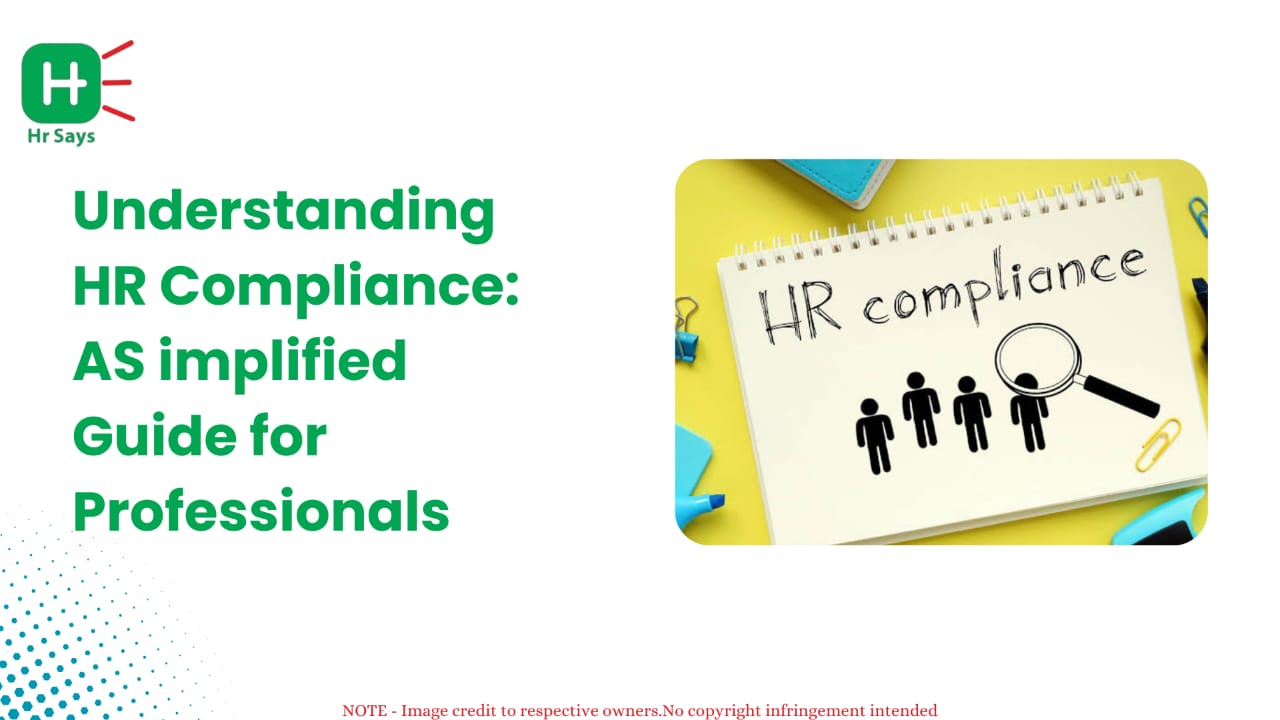
 This guide explains HR compliance in a simple, practical manner. It highlights key areas,
emerging trends, and essential skills for professionals. The focus stays on clarity, alignment with
laws, and the importance of consistent compliance practices.
This guide explains HR compliance in a simple, practical manner. It highlights key areas,
emerging trends, and essential skills for professionals. The focus stays on clarity, alignment with
laws, and the importance of consistent compliance practices.




HR units deal with policies people and possible risks on a daily basis. This brief guide has tried to lay out compliance in a clear, practice-based manner to enable the professionals to know what is important, what influences their day-to-day practice and how keeping up-to-date helps organisations gain stability.
What Is HR Compliance
The HR compliance is referred to as adherence to labour laws, workplace regulations, and organisational policies. It leads to fairness, minimizes disputes as well as contributes to safe working environment. It remains on keeping people practices in tandem with legal standards without compromising operational efficiency.
Key Areas Professionals Should Know
Workplace Policies
Clear policies guide behaviour and support consistent decision making. These usually cover attendance, leave, workplace safety, equal opportunity, and digital conduct.
Labour Law Requirements
Basic laws around wages, working hours, benefits, and employee rights shape daily HR tasks. Regular tracking of trending regulations such as pay transparency rules and evolving remote work laws becomes essential.
Documentation Practices
Accurate records protect the organisation. Files related to hiring, contracts, training, and disciplinary actions support audits and reduce compliance risks.
Why Compliance Matters For Modern Teams
Compliance reduces penalties and prevents disputes. It also builds trust among employees. With growing trends like hybrid work models and AI-driven HR tools, the need for updated compliance frameworks becomes stronger. Simple steps help professionals stay aligned.
Benefits Of Strong Compliance
● Better risk management
● Transparent processes
● Reduced employee grievances
● Faster audits
● Improved organisational credibility
Emerging Trends To Watch
Hybrid Work Regulations
Remote and hybrid workforces are now common. Laws around data privacy, cross-border taxation, and work hour monitoring continue to evolve.
Ethical Use Of HR Technology
AI tools assist hiring, payroll, and performance review systems. Monitoring ethics, fairness, and data protection requirements stays necessary when using automated HR systems.
Workplace Safety Standards
Safety rules are expanding beyond physical safety. Mental wellness policies, anti-harassment compliance, and stress management guidelines shape modern HR practices.
How Professionals Can Stay Compliant
Compliance becomes easier when handled in small, steady steps. Awareness, documentation, and timely updates form the foundation. Professionals often build compliance routines around daily HR workflows.
Practical Steps To Follow
● Review policies at regular intervals
● Keep updated with labour law changes
● Maintain secure digital records
● Conduct periodic compliance audits
● Offer training sessions for teams
● Strengthen data protection practices
Helpful Skills For HR Teams
Policy Interpretation
Understanding the intent behind laws supports better implementation.
Communication Skills
Clear messaging helps teams follow guidelines without confusion.
Analytical Thinking
Spotting gaps, risks, or inconsistencies becomes easier with a structured approach.
Conclusion
Compliance may seem complex, yet it becomes manageable with the right mindset. Professionals who stay curious, track updates, and build simple routines find compliance smoother. A stable framework keeps organisations protected and employees supported.