Saturday, October 24, 2026
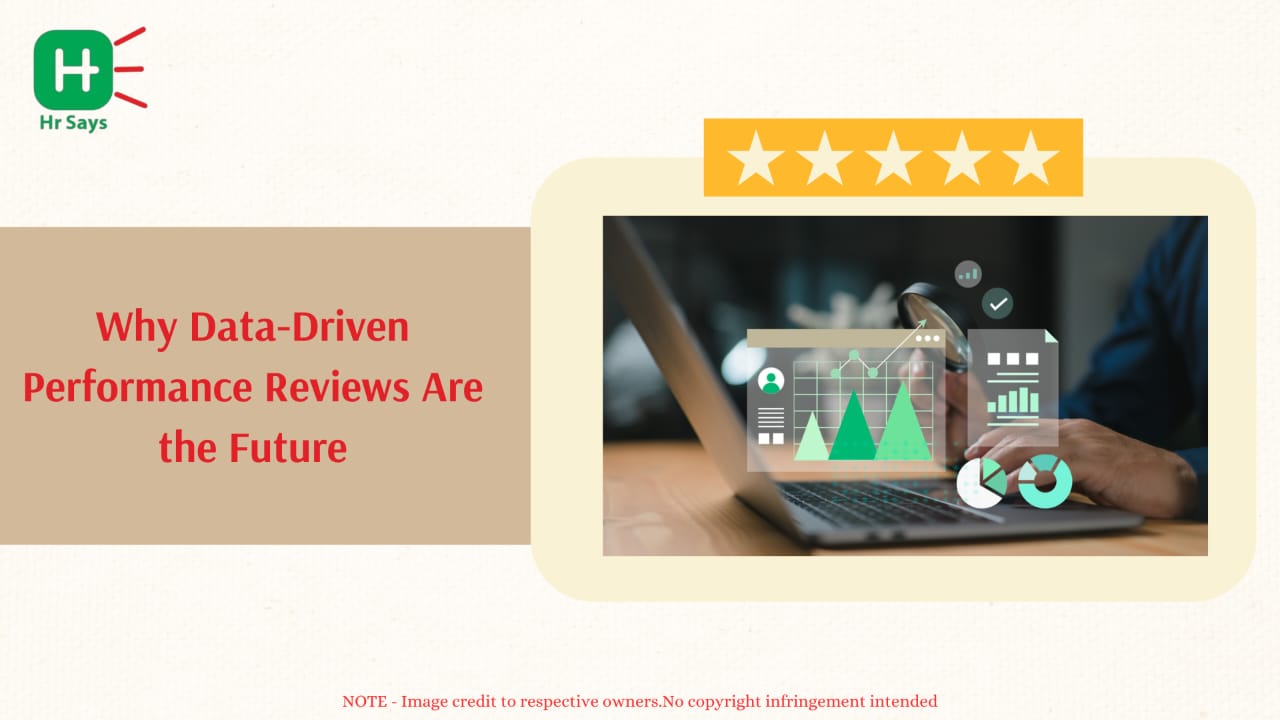
 Data-driven performance reviews offer clarity, fairness, and structured insights for both
managers and employees. With HR analytics and modern tools, evaluation cycles become more
transparent, balanced, and aligned with real performance patterns.
Data-driven performance reviews offer clarity, fairness, and structured insights for both
managers and employees. With HR analytics and modern tools, evaluation cycles become more
transparent, balanced, and aligned with real performance patterns.




Why are the traditional performance reviews becoming obsolete in such a rapid fashion? The modern working environments are operated on real numbers, real knowledge, and actual time information. Actuarial performance appraisal system is clear, equitable and organised as compared to the older more conventional approaches. The management is changing the way managers come to evaluate employees and the way employees perceive themselves in terms of growth.
What Makes Data-Driven Reviews Stand Out
The information-supported strategy is more open. It provides the employees with quantifiable information instead of ambiguous judgments. This clarity helps in overcoming confusion, constructive feedback and promises to continue developing as a team. As the HR analytics, performance tracking systems, and automation in the workplace emerge, organizations are shifting towards evidence-based evaluations.
Key Traits of Data-Backed Evaluations
● Feedback based on metrics
● Reduced personal bias
● Clear performance trends
● More meaningful review discussions
These traits help employees feel more engaged and help managers stay aligned with business goals.
How Data Enhances Fairness and Accuracy
Data-driven performance management brings structure to evaluation cycles. Numbers and behavioral indicators help managers evaluate work patterns more accurately. It prevents over-reliance on memory, which often misses context and small but important achievements. When bias goes down, trust goes up. Employees feel seen for their actual contributions rather than subjective impressions.
What Employees Gain From This Approach
● Clarity on expectations
● Insights into strengths and weaknesses
● Confidence during review conversations
● Better alignment with development paths
Such benefits support a more supportive work culture without leaning into exaggerated optimism.
The Role of Technology in Modern HR
Technology is quietly transforming the HR ecosystem. Performance management software gathers continuous feedback, tracks objectives, and identifies gaps. HR leaders use people analytics to monitor productivity, engagement levels, and learning progress. This shift toward digital tools allows organizations to discover patterns and plan smarter training opportunities.
Popular Tools Powering the Change
● Employee performance tracking systems
● HR analytics platforms
● Goal-setting and OKR software
● Skill development dashboards
These tools make reviews feel more structured, realistic, and relevant.
How Managers Can Adapt Smoothly
Managers need simple frameworks to make this shift easier. Understanding how to read employee performance data is the first step. When used well, data makes conversations less awkward and more solution-focused. This helps managers guide employees without sounding overly critical or unprepared.
Small Changes That Create a Big Difference
● Review performance data weekly
● Use clear metrics during discussions
● Focus on consistency instead of occasional peaks
● Encourage self-assessments backed by evidence
These adjustments make the process smoother for everyone involved.
Conclusion
Data-driven performance reviews are shaping the future of work. They bring balanced insights, minimize bias, and support fair decisions. Employees gain direction and managers gain clarity. This approach is not perfect, but it is practical and increasingly necessary in modern workplaces. With better tools and thoughtful adoption, performance review cycles become more transparent and meaningful.