 Saturday, October 24, 2026
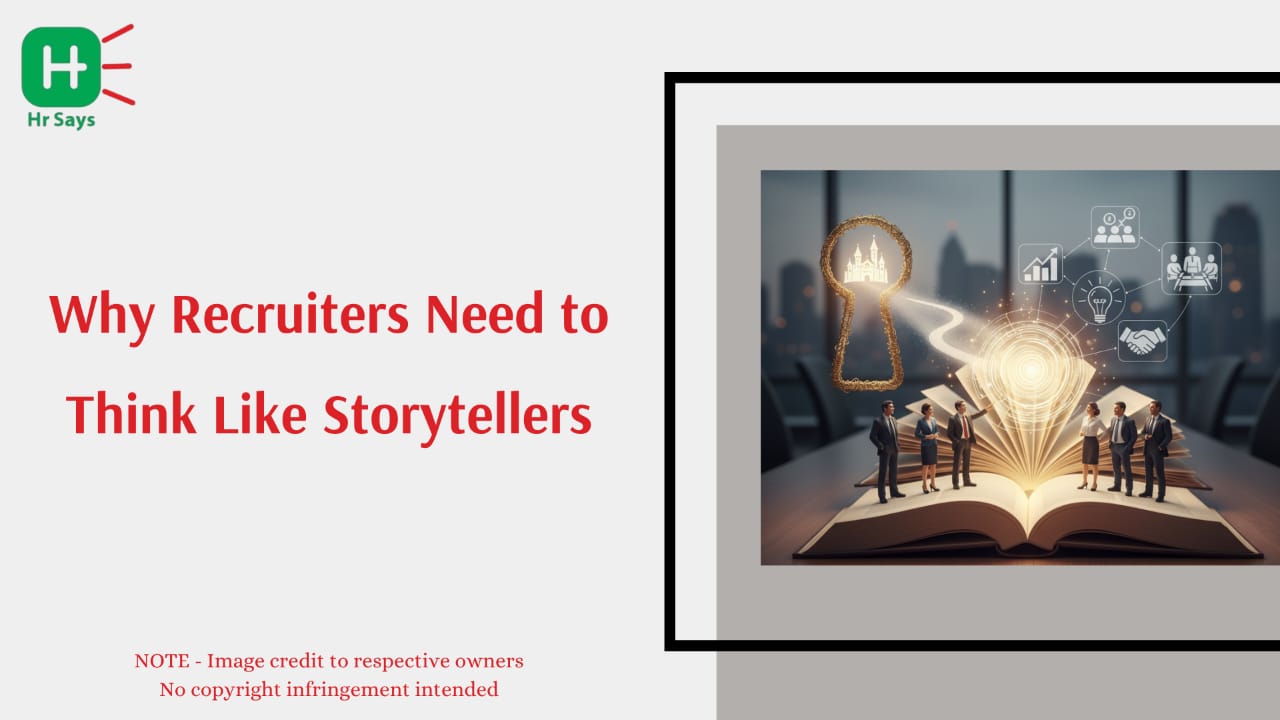
 Recruitment is most effective when narrative techniques are applied. Employer branding and
candidate experience are improved by simple, human stories that describe impact, culture, and
growth. Recruiters who listen and craft clear stories are more likely to attract better talent.
Recruitment is most effective when narrative techniques are applied. Employer branding and
candidate experience are improved by simple, human stories that describe impact, culture, and
growth. Recruiters who listen and craft clear stories are more likely to attract better talent.




Have you observed the person who is best hired in the company and recalled a story better than the job description? With a combination of job purpose, culture of a team, and a growth path, a clear narrative is formed. The focus on the candidate, as well as a decision taken are contextualized and clear. Credibility is silently realized via small signals that are repetitive.
Building a candidate-first narrative
Human needs should be influenced in the hiring pitch. Roles are defined based on impact and not tasks. The mission statement of the company is placed in the context of the ordinary. When the information is displayed and not enumerated, there is greater strength in employer branding. When care is signalled, the experience of the candidates is enhanced.
Listening before speaking
Recruiter skills are sharpened when listening is prioritized. Candidate motivations are collected and used to tailor messages. Passive voice is used often in outreach to lower pressure. Signals are read and responses are adjusted. A better fit is identified this way.
Crafting the employer narrative
Focus on outcomes
Stories are anchored to outcomes. Concrete results are highlighted.
Show, do not tell
Examples are given from teams. Anecdotes are shared during interviews. Employer brand is illustrated through real moments.
Make interviews memorable
Interview structure is designed to elicit stories. Behavioral prompts are used. Reflection time is offered.
Practical storytelling moves
Short scripts are prepared to explain:
● Why the role matters in one sentence
● What a successful first 90 days looks like
● How the team supports growth
Job ads are written with clear hooks. Recruitment marketing is aligned with internal messages. Social posts are used to amplify real voices.
Quick templates
A one-line mission hook is drafted. A candidate persona is sketched. An onboarding snapshot is prepared.
● Mission hook in one sentence
● Persona insight in two lines
● Onboarding snapshot in three bullet points
Metrics that matter
Engagement is measured. Application quality is tracked. Time to hire is monitored. Employer reputation is watched. Data is paired with qualitative feedback from candidates. Decisions are informed by both types of signals. Reports are shared monthly with hiring managers so narratives stay aligned and improvements are tracked together.
Common pitfalls to avoid
● Overpromising culture benefits
● Using jargon instead of simple scenes
● Relying only on polished copy and not on real stories
Closing thoughts
When storytelling is embraced, talent acquisition is transformed. Recruiters are positioned as curators of experience. Candidates are allowed to see themselves in the role. Hiring becomes less transactional and more human. Small signals are noticed. Long term fit is rewarded. A story remembered is a hire kept. Recruiters who practice will see better matches.