 Thursday, October 01, 2026
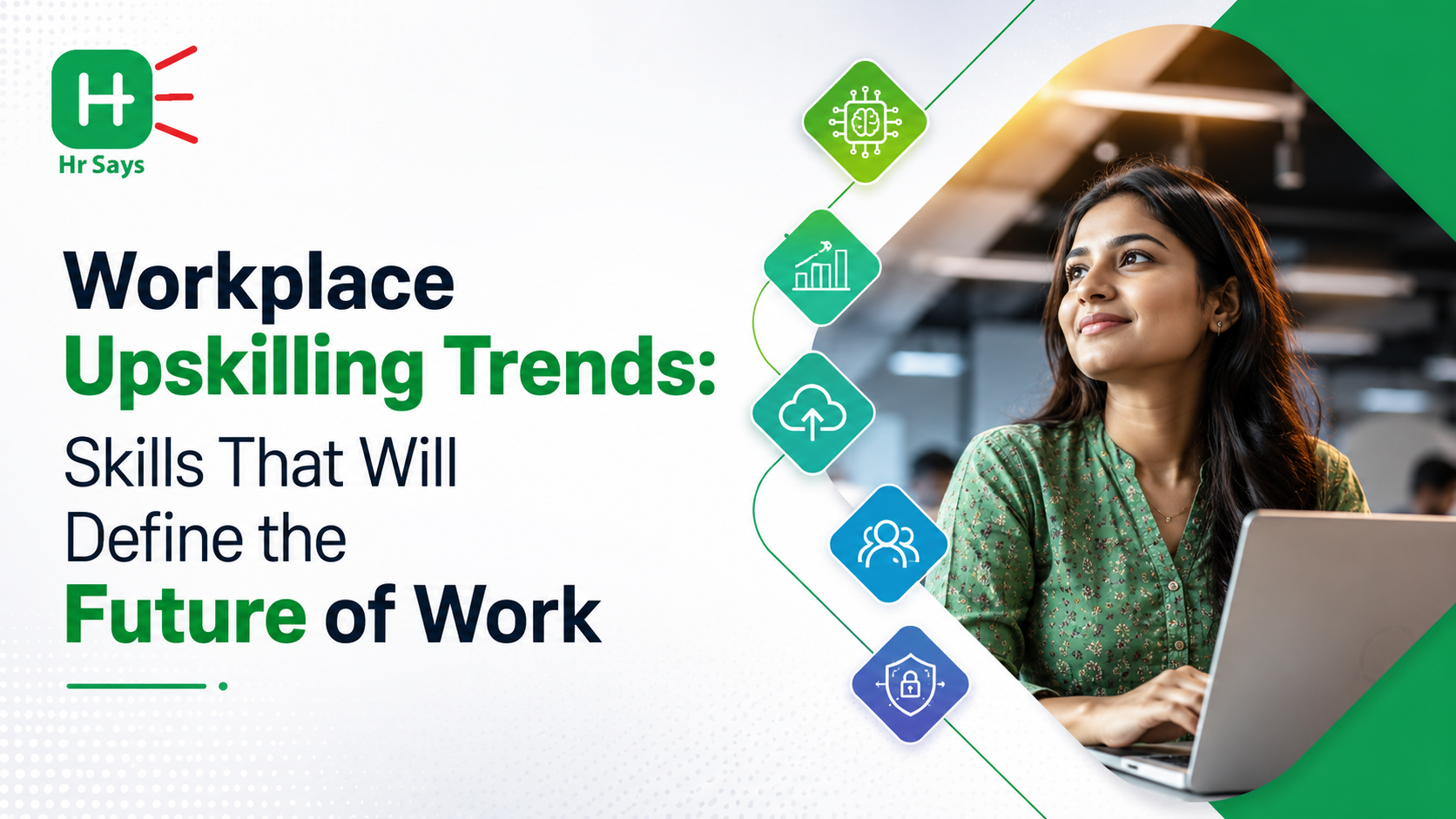
 Workplace upskilling trends are reshaping workforce transformation, digital learning, career development, and future-ready skills across industries. Continuous learning, learning agility, and workforce adaptability are becoming essential for long-term professional and business success.





The modern workplace is changing faster than most people expected. Skills that were highly valuable five years ago may no longer be enough to stay competitive today. At the same time, entirely new roles are emerging across industries, driven by technology, automation, artificial intelligence, and shifting business priorities. This has made workplace upskilling trends one of the most important topics for professionals, students, entrepreneurs, and business leaders. Understanding how skill requirements are evolving is no longer optional. It has become essential for long-term career growth, organizational resilience, and future readiness.
Why Upskilling Has Become a Business Necessity Rather Than an Employee Benefit
For many years, training programs were often viewed as employee perks. Organizations offered occasional workshops or certification programs primarily as benefits. Today, the situation is fundamentally different.
Businesses are facing continuous disruption. New software platforms emerge regularly. Artificial intelligence is changing workflows. Customer expectations evolve rapidly. Regulations shift. Markets become increasingly competitive. In such an environment, organizations cannot simply hire new talent every time a new skill becomes important.
The economics of workforce development have changed. Replacing employees is often more expensive than developing existing talent. Recruitment costs, onboarding time, productivity gaps, and cultural integration challenges all create significant expenses. Upskilling existing employees allows organizations to adapt faster while preserving institutional knowledge.
This shift has created a new mindset among employers. Instead of asking whether training is necessary, organizations are asking which capabilities need to be developed first.
The most successful companies increasingly treat learning as an ongoing business process rather than an occasional event. Their workforce development strategies are aligned with future business goals, market opportunities, and technological changes. This approach creates a workforce that is more adaptable, more innovative, and better prepared for uncertainty.
As a result, workplace learning is becoming deeply integrated into everyday work rather than being separated from it.
The Forces Driving Modern Workplace Upskilling Trends
Understanding why upskilling is accelerating requires examining the larger forces reshaping work itself.
Technology remains the most obvious driver. Automation now handles many repetitive tasks that were once performed manually. Artificial intelligence assists with analysis, content creation, customer support, coding, research, and decision-making. Employees increasingly need to work alongside technology rather than compete against it.
However, technology is only one piece of the story.
Changing consumer behavior has also transformed skill requirements. Customers expect faster responses, personalized experiences, and seamless digital interactions. Meeting these expectations requires employees to develop both technical capabilities and customer-centric thinking.
Several interconnected forces are influencing workforce transformation:
- Rapid technological evolution is shortening skill lifecycles significantly. Skills that once remained relevant for decades may now require updates every few years. Professionals who continuously learn can adapt more effectively than those who rely solely on past experience.
- Global competition is increasing pressure on organizations to innovate. Businesses must respond quickly to changing markets, emerging competitors, and new customer demands. This creates a growing need for employees who can solve problems creatively and adapt to unfamiliar situations.
- Hybrid and remote work environments require different capabilities. Communication, collaboration, digital productivity, and self-management have become critical skills regardless of industry or job title.
These factors collectively explain why workplace upskilling trends continue to accelerate across sectors.
The Rise of Human Skills in an Automated World
One of the most surprising developments in workforce transformation is the growing importance of uniquely human capabilities.
When automation first became widespread, many experts predicted that technical skills would dominate future employment. While technical expertise remains valuable, organizations increasingly recognize that technology cannot easily replicate certain human strengths.
Critical thinking, creativity, emotional intelligence, adaptability, and communication have become some of the most sought-after capabilities in the modern workplace.
This shift occurs because technology often handles structured tasks effectively but struggles with ambiguity, relationship-building, ethical judgment, and complex decision-making. As automation expands, human workers are increasingly expected to contribute in these areas.
For example, a marketing professional may use artificial intelligence to generate content ideas, but strategic decision-making still requires human understanding of audience behavior, brand positioning, and business objectives.
Similarly, healthcare professionals can access sophisticated diagnostic tools, yet patient trust and communication remain deeply human responsibilities.
The result is an interesting paradox. As technology becomes more advanced, human-centered skills become more valuable rather than less.
Professionals who combine technical knowledge with strong interpersonal capabilities often possess the greatest long-term career resilience.
Digital Learning Ecosystems Are Replacing Traditional Training Models
Traditional training programs often relied on periodic workshops, classroom sessions, or annual learning events. These approaches struggle to keep pace with modern business demands.
Organizations are increasingly adopting continuous learning ecosystems that provide employees with ongoing access to development opportunities.
This evolution reflects a fundamental change in how people learn. Modern professionals prefer flexible, accessible, and personalized learning experiences that fit into their work schedules.
Several characteristics define contemporary learning ecosystems:
- Microlearning allows employees to acquire knowledge in smaller segments. Instead of spending days in formal training sessions, learners can access targeted content when specific skills are needed.
- Personalized learning paths improve relevance and engagement. Advanced learning platforms increasingly recommend content based on employee roles, career goals, performance data, and organizational priorities.
- Practical application is prioritized over theoretical instruction. Employees learn more effectively when new concepts can be immediately applied to real workplace challenges.
These approaches support continuous development while minimizing disruption to daily operations.
The focus has shifted from training completion to measurable capability building.
How Students and Early-Career Professionals Should Approach Future Skills
Many students assume that earning a degree automatically prepares them for long-term career success. While formal education remains valuable, workplace expectations continue evolving after graduation.
Employers increasingly seek candidates who demonstrate learning agility rather than static knowledge.
Learning agility refers to the ability to acquire new skills quickly, adapt to changing environments, and apply knowledge in unfamiliar situations. This capability has become increasingly important because future careers may involve multiple role changes and evolving responsibilities.
Students entering the workforce should focus on building a balanced skill portfolio.
Technical knowledge remains important, but broader competencies often determine career progression. Communication, digital literacy, analytical thinking, project management, and adaptability consistently appear among the most valuable workplace capabilities.
Individuals who begin developing these skills early often navigate career transitions more effectively.
Rather than asking, "What job will exist forever?" a more useful question may be, "What capabilities will remain valuable across changing jobs and industries?"
This perspective creates greater flexibility and resilience throughout a career.
Why Entrepreneurs and Business Owners Must Prioritize Upskilling
Upskilling is not only relevant for employees. Entrepreneurs and business owners face similar challenges.
Many business leaders built successful organizations using strategies that worked well in previous market conditions. However, evolving technology, consumer expectations, and competitive landscapes require continuous adaptation.
Entrepreneurs who stop learning often create organizational bottlenecks. Teams may adopt new tools and practices while leadership continues relying on outdated assumptions.
Effective business leaders increasingly invest in their own development alongside employee learning initiatives.
Areas that frequently require continuous learning include:
- Digital transformation and emerging technologies
- Data-informed decision-making
- Customer experience strategy
- Leadership and organizational development
- Market trend analysis and competitive positioning
Organizations often mirror the learning behavior of their leaders. When leadership actively embraces development, learning becomes part of company culture.
This creates stronger adaptability throughout the business.
The Challenges and Limitations of Workplace Upskilling
Although workplace upskilling offers significant benefits, implementation is not always straightforward.
One common challenge involves identifying which skills will remain valuable long enough to justify investment. Predicting future workforce needs can be difficult, particularly in rapidly evolving industries.
Another challenge relates to employee engagement. Learning programs are only effective when individuals actively participate and apply new knowledge.
Organizations must also balance immediate operational demands with long-term development priorities. Employees often struggle to dedicate time to learning while managing daily responsibilities.
Furthermore, not all skills can be developed through formal training alone. Leadership, communication, and strategic thinking often require practical experience and ongoing feedback.
Recognizing these limitations helps organizations create more realistic and effective workforce development strategies.
The goal is not perfect prediction. The goal is building adaptability.
What the Future of Workplace Learning Looks Like
The future of workplace learning is likely to become more integrated, personalized, and data-driven.
Artificial intelligence will increasingly support learning recommendations, identify skill gaps, and personalize development pathways. Virtual reality and immersive learning experiences may become more common for technical and practical training scenarios.
However, the most important trend may not be technological.
The future workplace will likely expect continuous learning as a standard professional responsibility. Employees will no longer view learning as something separate from work. Instead, learning will become an ongoing component of professional performance.
Organizations that embrace this mindset will be better positioned to navigate uncertainty, attract talent, and sustain innovation.
Professionals who adopt the same mindset will be more capable of adapting to future opportunities and challenges.
Conclusion
Workplace upskilling trends reflect a broader transformation in how careers, businesses, and industries evolve. The future belongs not necessarily to those with the most knowledge today, but to those who can learn, adapt, and grow consistently. As technology, markets, and workplace expectations continue changing, continuous skill development becomes one of the most reliable strategies for long-term success. For students, professionals, entrepreneurs, and organizations alike, upskilling is no longer simply about staying relevant. It is about building the adaptability needed to thrive in an uncertain future.
FAQ (Frequently Asked Questions)
1. What are workplace upskilling trends and why are they important today?Workplace upskilling trends refer to the growing focus on continuous learning and skill development to keep pace with changing job requirements. As industries evolve, professionals need future-ready skills and stronger workforce adaptability to remain competitive and relevant in the modern workplace.
2. Which skills are becoming most valuable in the future of work?The most valuable skills increasingly combine technical knowledge with human capabilities such as critical thinking, communication, adaptability, and problem-solving. Organizations are prioritizing career development and learning agility because these skills help employees navigate constant change and technological advancement.
3. How does workplace upskilling benefit employees in the long term?Upskilling helps professionals stay relevant, improve career opportunities, and adapt to new industry demands. Investing in continuous learning and professional growth allows individuals to build resilience and remain valuable even as roles and technologies evolve.
4. Why are companies investing more in workforce development programs?Organizations recognize that hiring new talent for every emerging skill is costly and time-consuming. By focusing on workforce transformation and employee development, companies can build internal capabilities, improve productivity, and respond more effectively to changing business needs.
5. How does digital learning support workplace upskilling?Modern digital learning platforms provide flexible access to courses, certifications, and skill-building resources. They allow employees to learn at their own pace while supporting skill enhancement and knowledge application in real-world work environments.
6. What is learning agility and why does it matter?Learning agility is the ability to quickly acquire, apply, and adapt new knowledge in changing situations. It has become essential because future-ready skills often require ongoing updates, and professionals who embrace continuous learning are better equipped to handle workplace transitions.
7. How can entrepreneurs benefit from workplace upskilling trends?Entrepreneurs who embrace workforce adaptability and ongoing learning can make better decisions, identify emerging opportunities, and respond more effectively to market changes. Upskilling also helps business owners strengthen leadership development and organizational growth strategies.
8. What challenges do organizations face when implementing upskilling initiatives?One major challenge is identifying which skills will remain valuable in the future. Another is encouraging employee participation while balancing daily work demands. Effective workforce transformation requires a strong learning culture and a commitment to professional development across all levels.
9. How can students prepare for evolving workplace skill requirements?Students can focus on building both technical and transferable skills such as communication, digital literacy, and analytical thinking. Developing learning agility and embracing career development opportunities early helps create long-term flexibility in a rapidly changing job market.
10. Will artificial intelligence replace the need for workplace upskilling?No. While AI can automate certain tasks, it also creates demand for new capabilities. Professionals still need future-ready skills, strategic thinking, creativity, and interpersonal abilities. In fact, the rise of AI makes continuous learning even more important because job roles and expectations continue to evolve.