Saturday, October 24, 2026
.jpeg)
 HR compliance in India is shaped by changing labour laws, payroll obligations, workforce diversification, and data protection demands. This blog outlines practical compliance challenges faced by HR teams and explains why structured, proactive approaches are increasingly essential.




Unconsciously, the responsibilities of HR in India have turned into people management to risk management. Under the cover of hiring plans and engagement calendars, the pressure of the compliance is the constant one that is carried every single day. Legislation is modified, meanings are altered, and responsibility finds all but invariably on HR.
Ever-Changing Labour Laws And Amendments
The Indian labour laws are huge, stratified, and often updated. It is anticipated that central laws, state specific regulations, notifications and circulars would be accurately tracked. In the case of HR teams, compliance does not frequently come about due to ignorance, it is usually delayed or vague in its relevance.
The interaction of new labour codes and old laws of an organisation remains a challenge to many organisations. There is an absence of clarity and there is never judgemental make-up.
Managing State-Wise Compliance For Multi-Location Teams
Compliance becomes more complex when operations span multiple states. Each state follows its own Shops and Establishments Act, professional tax slabs, and local labour rules.
HR teams are expected to ensure:
● Timely registrations and renewals across states
● Correct state-wise payroll deductions
● Local labour law adherence for remote and hybrid employees
Manual tracking is still relied upon by many organisations, increasing the risk of errors and missed deadlines.
Payroll Accuracy And Statutory Deductions
Payroll compliance is closely watched by regulators and employees alike. Provident Fund, ESI, professional tax, gratuity, and income tax calculations must be accurate and timely.
Even small payroll errors are often perceived as trust failures. With frequent threshold changes and updated contribution limits, HR is required to work in close coordination with finance while staying legally aligned.
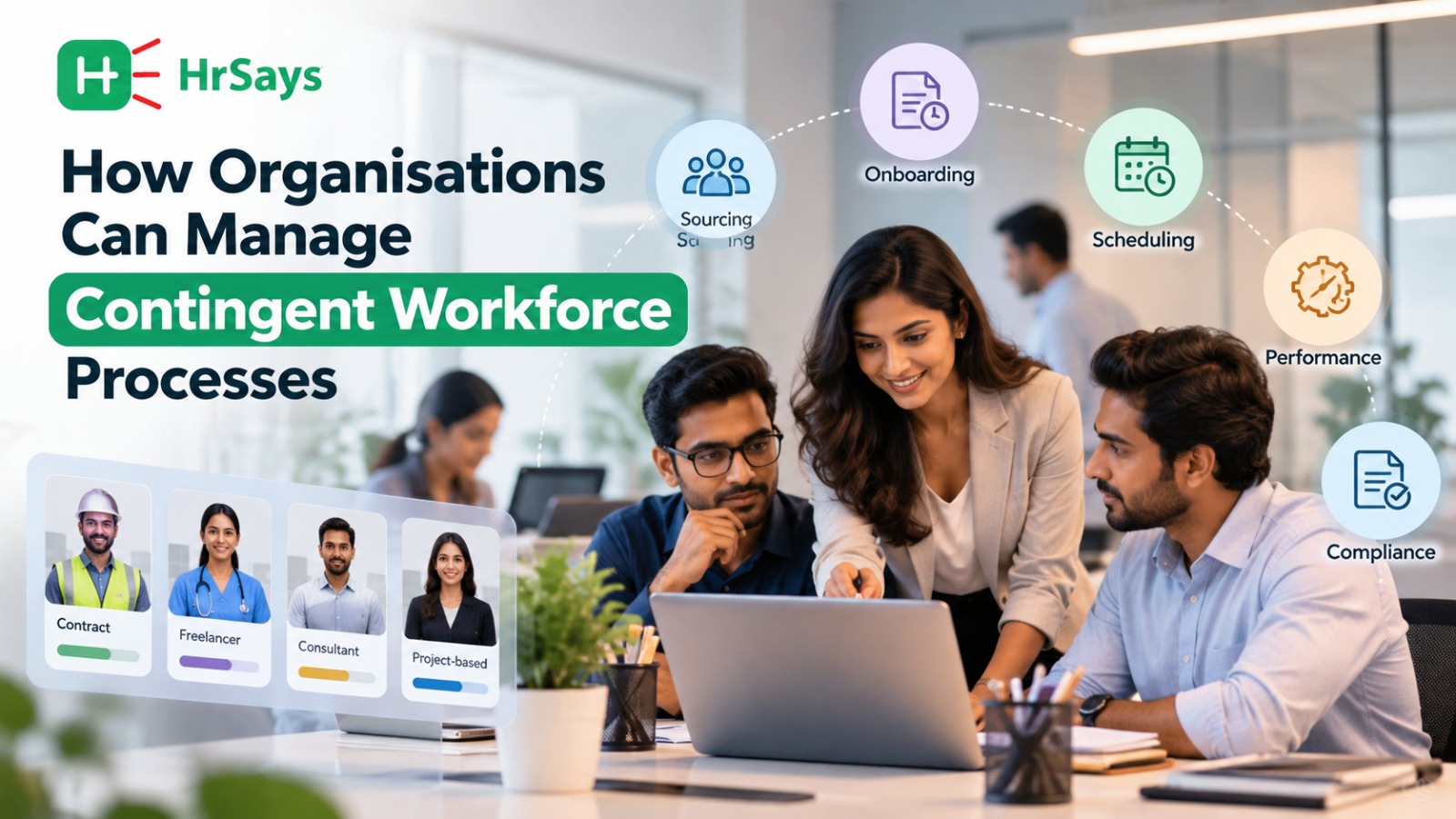
Contract Labour And Gig Workforce Compliance
The growing use of contract workers and gig professionals has introduced new compliance gaps. Many organisations are still unclear about classification rules and liability boundaries.
If vendors fail to comply, responsibility often falls back on the principal employer. Due diligence is expected, yet enforcement remains difficult in fast-moving hiring environments.
Data Protection And Employee Privacy Risks
Employee data is now considered a compliance asset. With India moving towards stronger data protection frameworks, HR teams are expected to manage sensitive personal information responsibly.
Access controls, consent management, and secure storage are often discussed but inconsistently implemented. A single data lapse can quietly become a legal and reputational issue.
Compliance Fatigue And Skill Gaps In HR Teams
Compliance work is repetitive, deadline-driven, and rarely appreciated until something goes wrong. Over time, fatigue sets in.
Many HR professionals are not formally trained in labour law interpretation and are expected to learn on the job. Without structured compliance systems or legal support, decision-making becomes reactive rather than preventive.
Conclusion
Compliance in HR is no longer a background function. It is a continuous responsibility shaped by law, technology, and workforce evolution. When compliance is treated as a process rather than a checklist, risks are reduced and trust is quietly built.