Search Results

You searched for : HRInsights  

Communication: The Missing Link in Engagement

Employee engagement often weakens due to unclear and one sided communication. This blog explores how intentional, transparent, and two way communication strengthens trust, reduces disengagement, ...
Feb 12

Using Technology to Measure Engagement

Technology enables continuous engagement measurement through analytics, pulse surveys, and AI insights. When used ethically, these tools help organizations detect trends, support employees proactively, and ...
Feb 12

How HR Systems Impact Employee Trust

Employee trust is influenced by how HR systems function in practice. Transparency, consistency, data privacy, and fairness within HR processes shape daily experiences, quietly determining ...
Jan 27

Operational Risks HR Teams Must Manage

Operational risks in HR affect compliance, workforce stability, data security, performance, and continuity. This blog highlights key risk areas HR teams must manage proactively to ...
Jan 27

HR Leadership Beyond Titles

HR leadership is increasingly defined by influence rather than hierarchy. This article explores how everyday actions, consistency, and strategic thinking allow HR professionals to lead ...
Jan 24

Why HR Processes Break During Rapid Growth

Rapid growth exposes weak HR foundations. When hiring speeds up, policies lag, managers remain untrained, and systems stay manual, processes fracture quietly. Sustainable growth requires ...
Jan 24

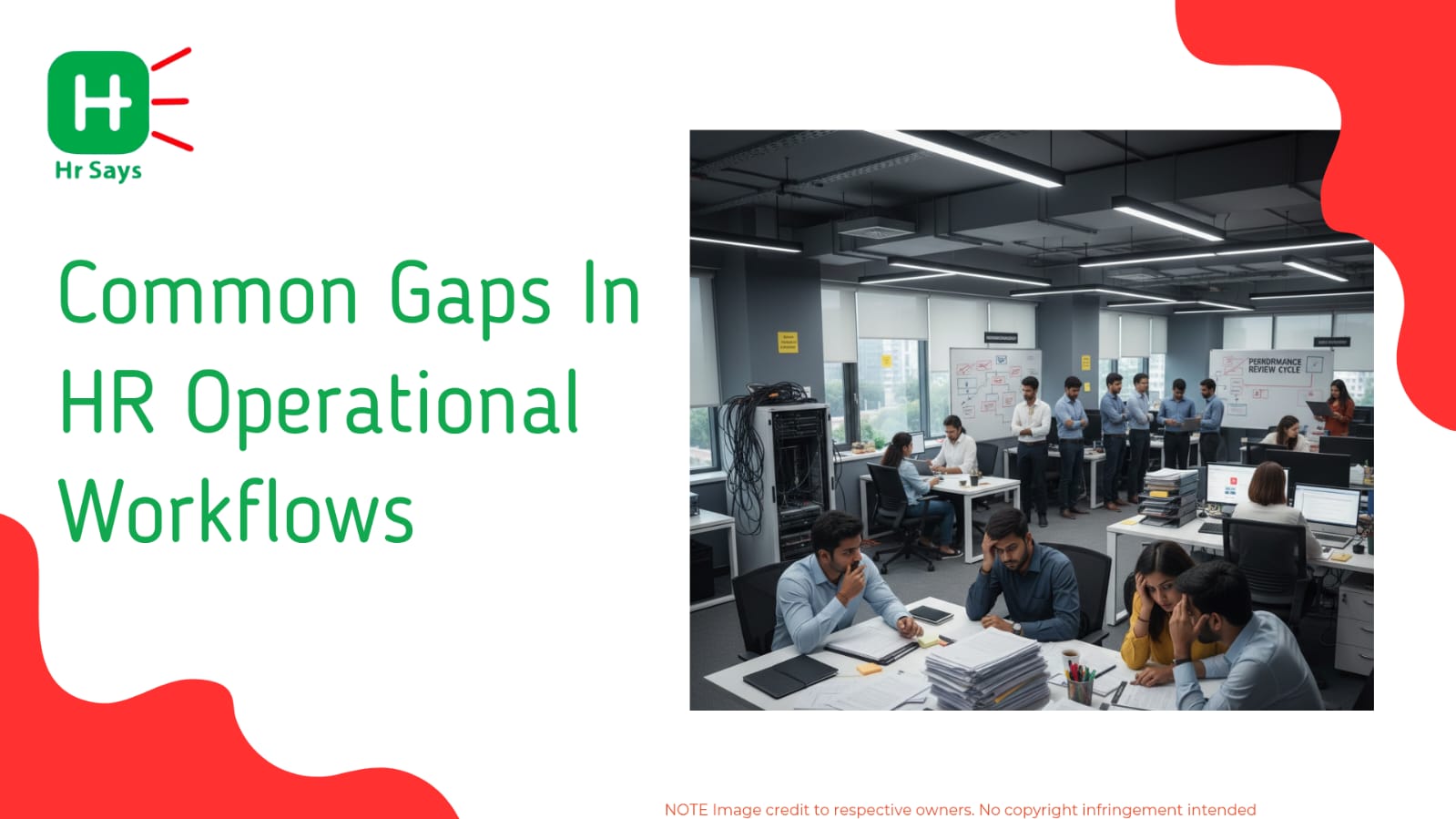
Common Gaps In HR Operational Workflows

HR operational gaps often stem from fragmented ownership, manual processes, and weak data integration. When left unaddressed, they affect efficiency, compliance, and employee experience. Structured ...
Jan 24

When HR Must Challenge Management Decisions

HR must challenge management decisions when ethical, legal, or people-related risks emerge. By acting as a strategic counterbalance, HR protects employees, organizational culture, and ...
Jan 23

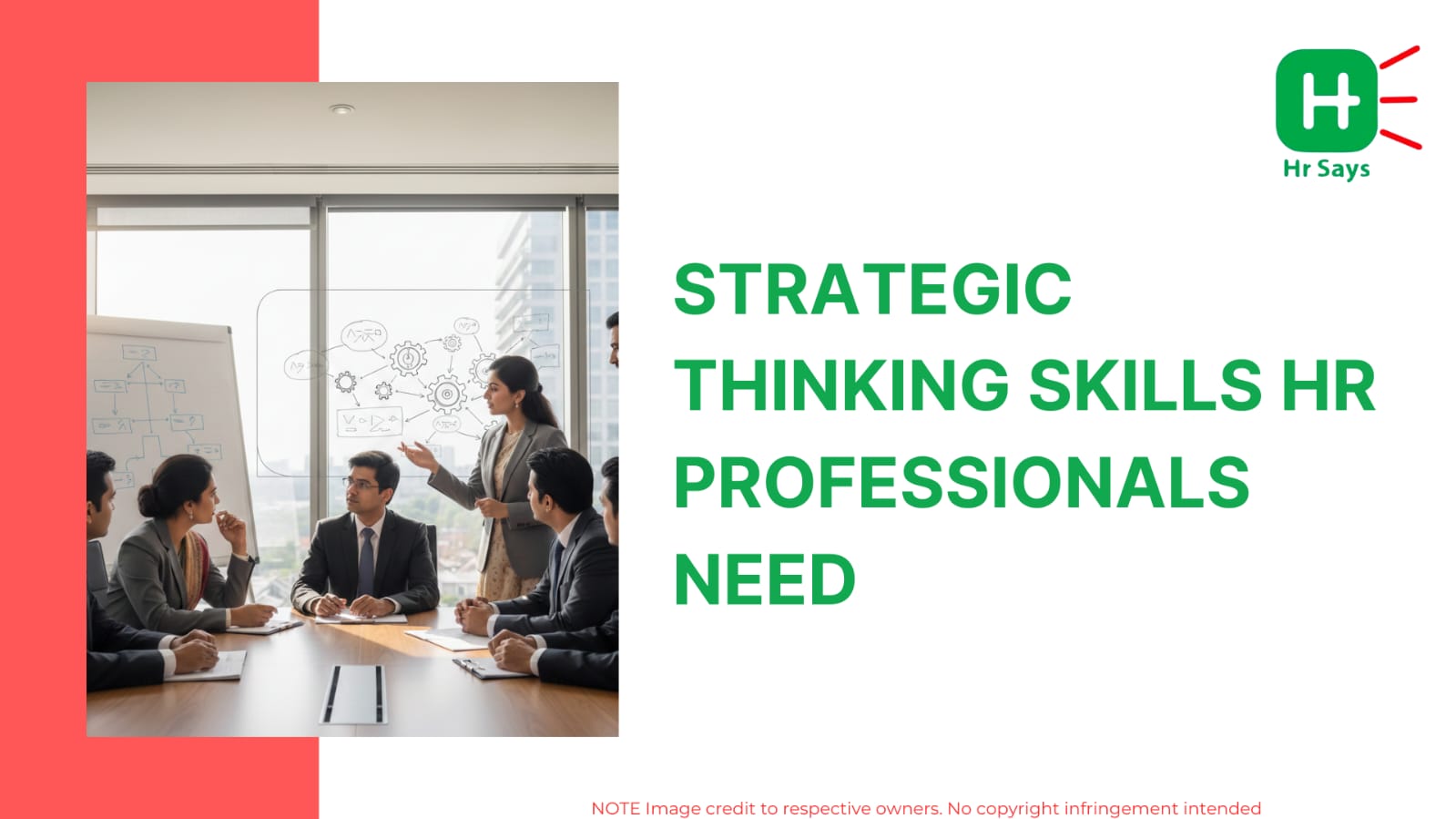
Strategic Thinking Skills HR Professionals Need

Strategic thinking skills help HR professionals align people decisions with business goals. Through data use, workforce planning, stakeholder influence, and change management, HR can drive ...
Jan 23

HR’s Role In Leadership Alignment

Leadership alignment is strengthened through HR-led systems, shared leadership language, data insights, and ongoing dialogue. This blog explores how HR quietly bridges strategy and ...
Jan 23

HR Decision-Making Under Pressure

HR decision-making under pressure requires balance between speed, fairness, and empathy. This blog explores why HR decisions feel heavier, how structure supports clarity, and ...
Jan 22

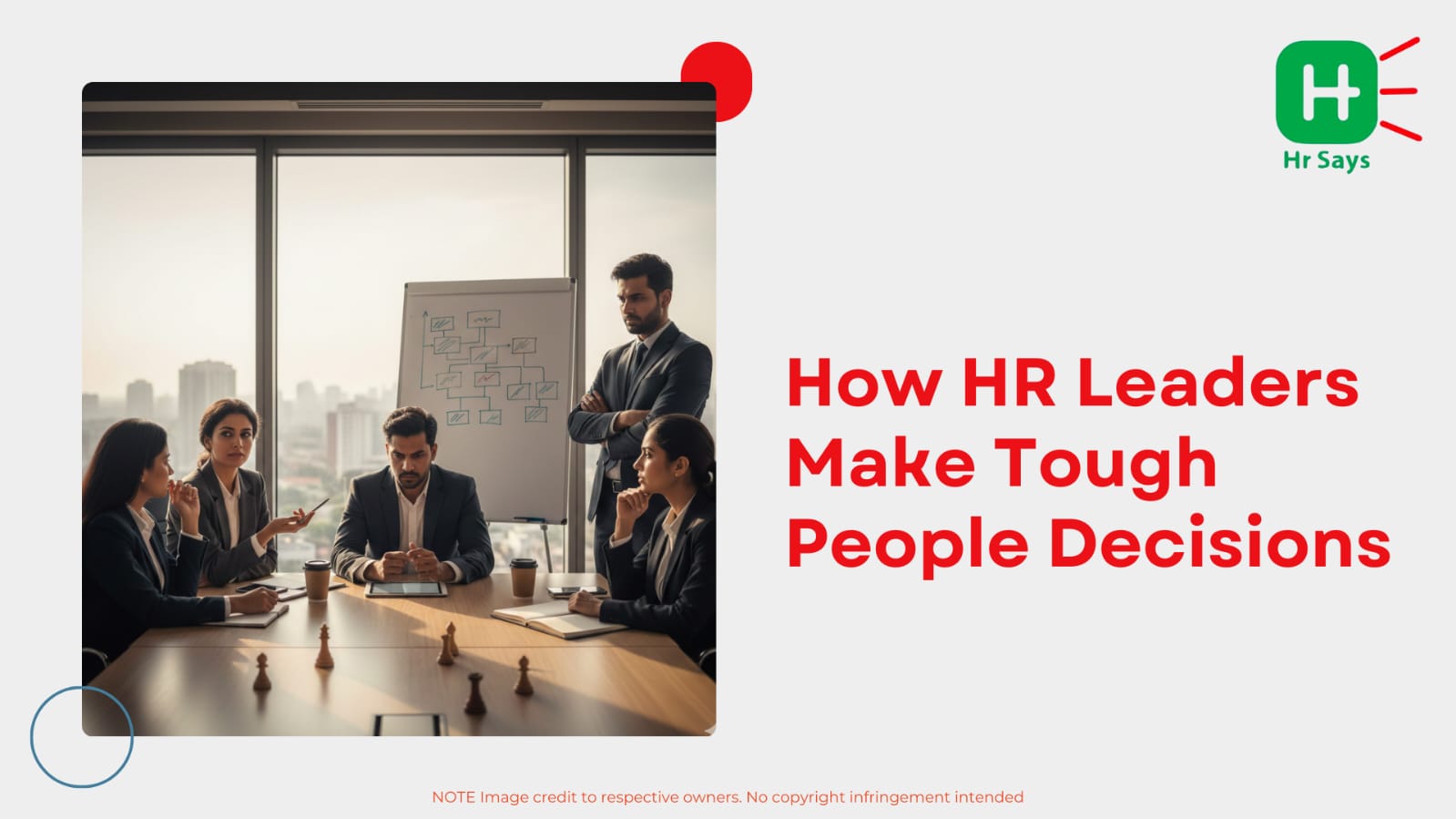
How HR Leaders Make Tough People Decisions

Tough people decisions require HR leaders to balance empathy, data, ethics, and business needs. This blog explores how clarity, consistency, and thoughtful communication guide responsible ...
Jan 22

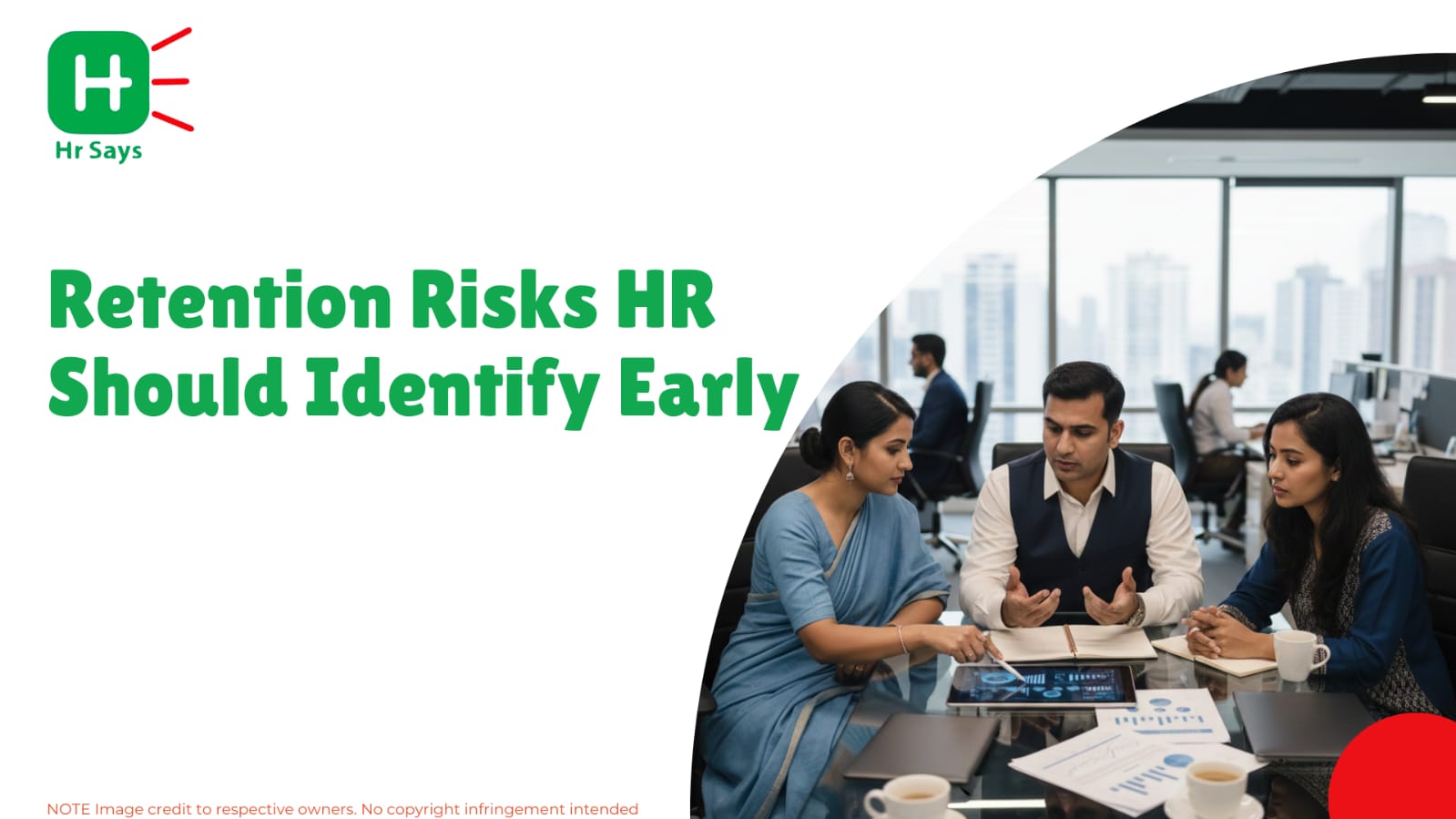
Retention Risks HR Should Identify Early

Employee attrition often begins silently through disengagement, burnout, and cultural misalignment. This blog explores early retention risks HR should monitor, highlighting subtle warning signs and ...
Jan 21

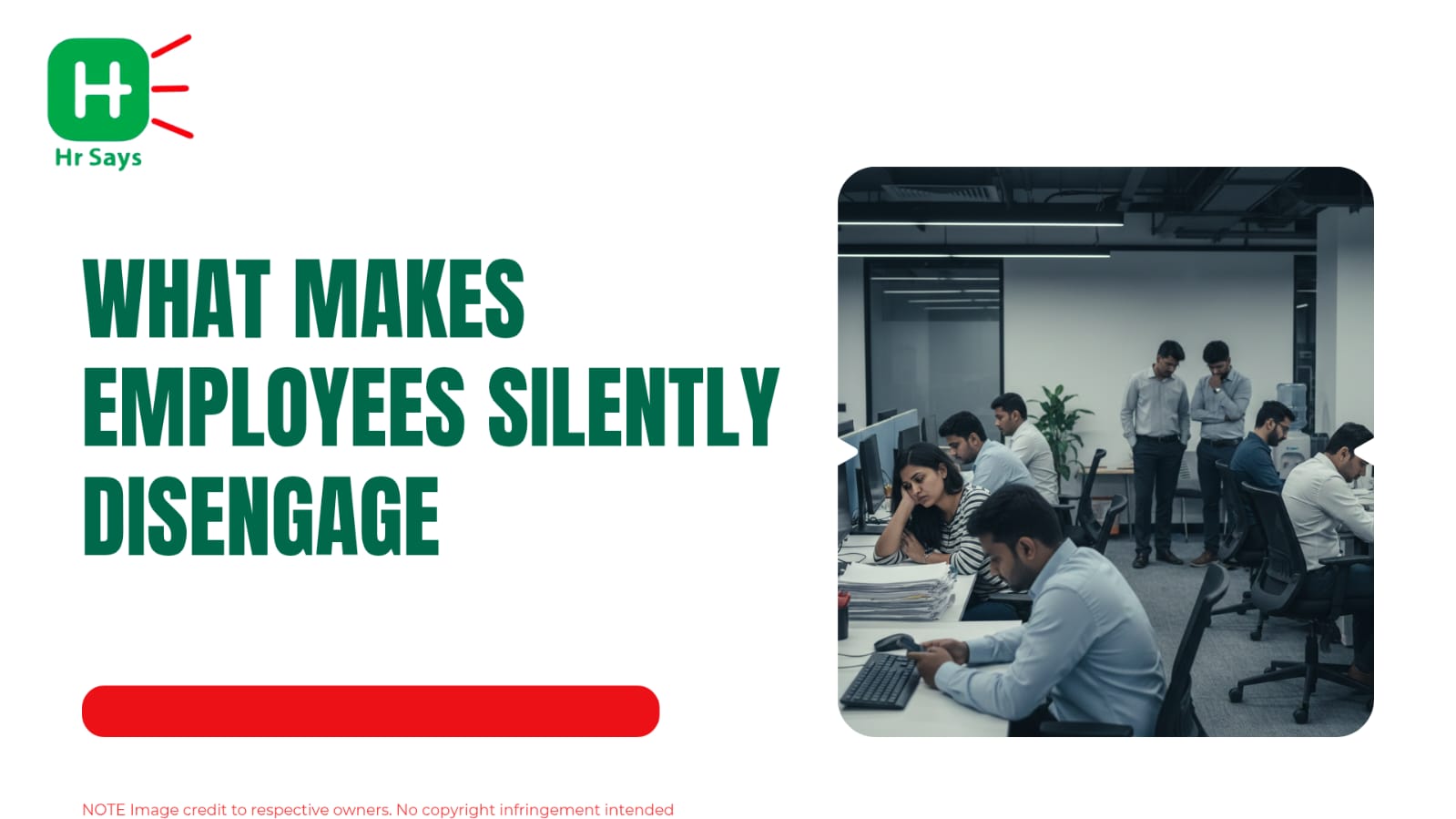
What Makes Employees Silently Disengage

Silent disengagement develops through overlooked effort, unclear leadership, and emotional fatigue. This blog explores how purpose fades, burnout hides, and quiet quitting emerges, offering practical ...
Jan 17

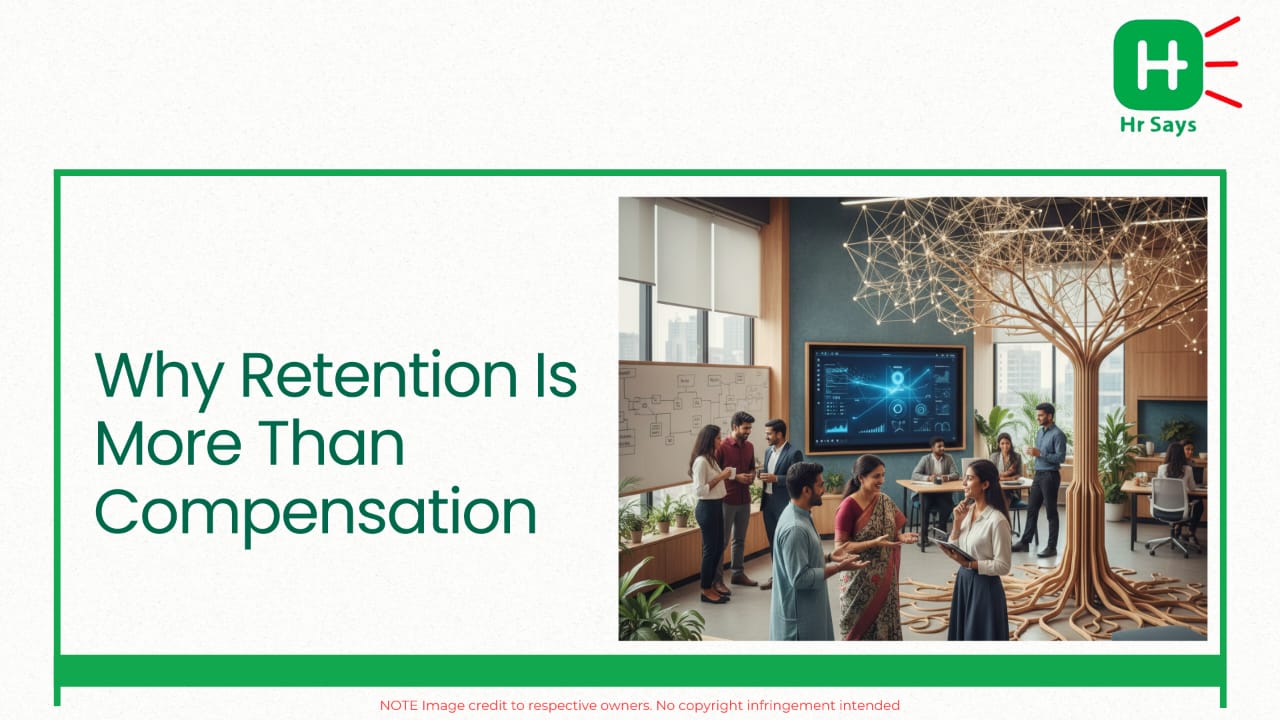
Why Retention Is More Than Compensation

Retention extends beyond compensation into culture, growth, trust, and flexibility. While pay attracts talent, long-term commitment is shaped by daily experience. Employees stay where ...
Jan 16

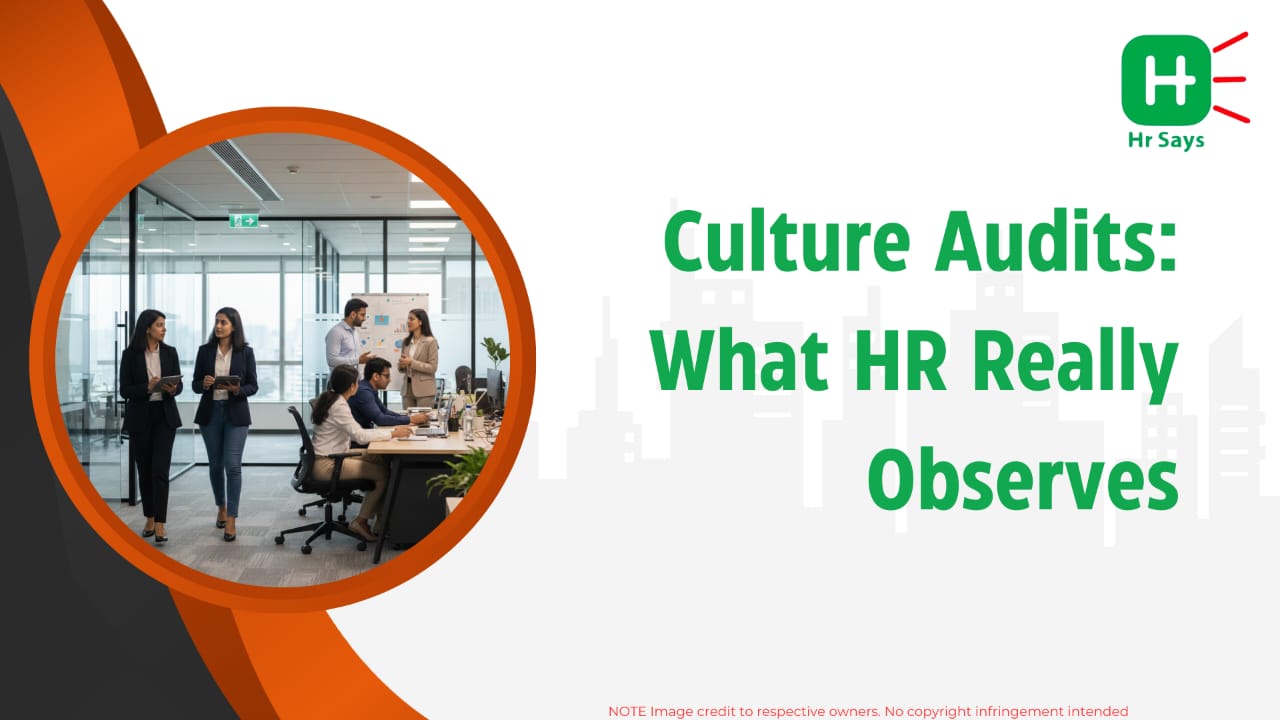
Culture Audits: What HR Really Observes

Culture audits focus on observed behavior rather than stated values. By examining leadership actions, communication patterns, systems, and employee energy, HR gains a clearer understanding ...
Jan 16

How HR Can Reduce Performance-Related Conflicts

Performance-related conflicts often stem from unclear expectations and delayed feedback. This blog explores how HR can reduce such conflicts through clarity, continuous communication, manager ...
Jan 10

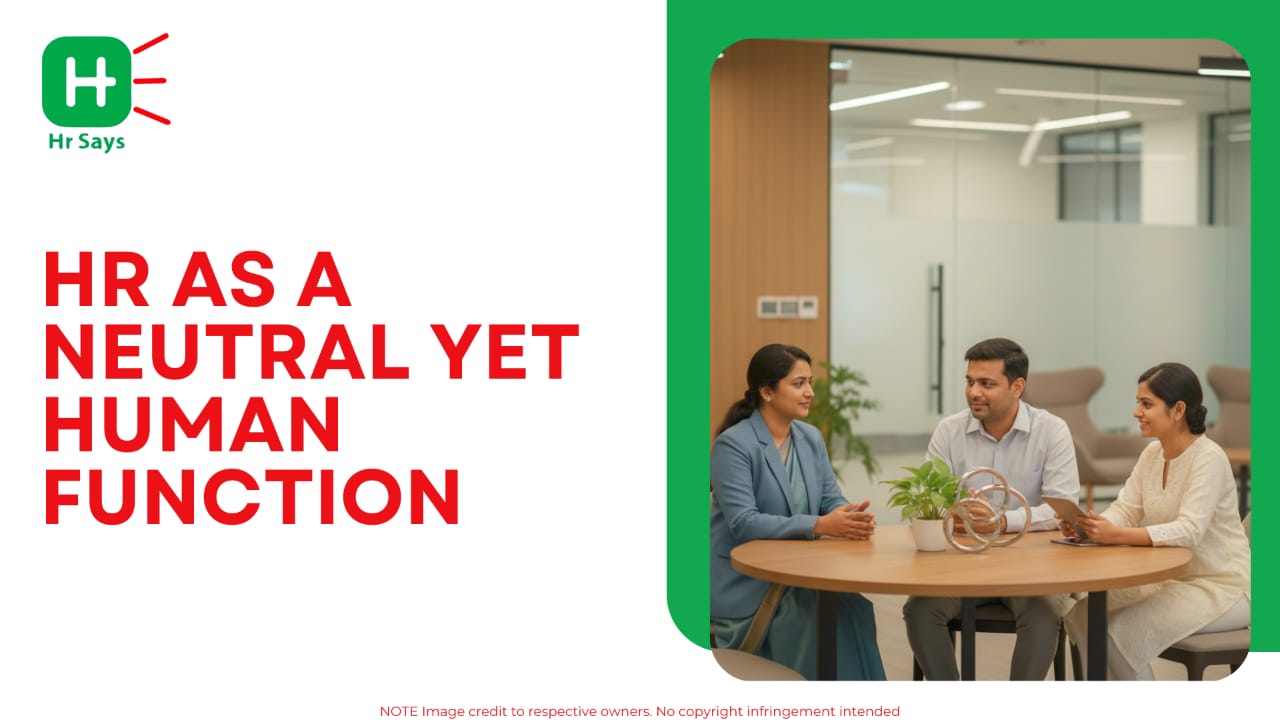
HR As A Neutral Yet Human Function

HR functions best when neutrality and humanity coexist. By balancing policy with empathy, trust is built, conflicts are handled fairly, and workplaces remain ethical, stable, ...
Jan 08

Building Trust During Sensitive Employee Issues

Trust is tested during sensitive employee issues where emotions and uncertainty intersect. This blog explores how clear communication, aligned leadership, and consistent processes help build ...
Jan 08

Why Transparency Matters In Employee Relations

Transparency in employee relations builds trust, reduces conflict, strengthens culture, and supports fairness. Through clear communication and credible leadership, workplaces become more stable, engaged, and ...
Jan 08

Compliance Challenges Faced By HR In India

HR compliance in India is shaped by changing labour laws, payroll obligations, workforce diversification, and data protection demands. This blog outlines practical compliance challenges faced ...
Jan 02

The Silent Pressure HR Teams Work Under

HR teams manage expectations, emotions, compliance, and culture while staying largely unseen. This blog explores the quiet pressure they carry daily and why acknowledging it ...
Jan 01

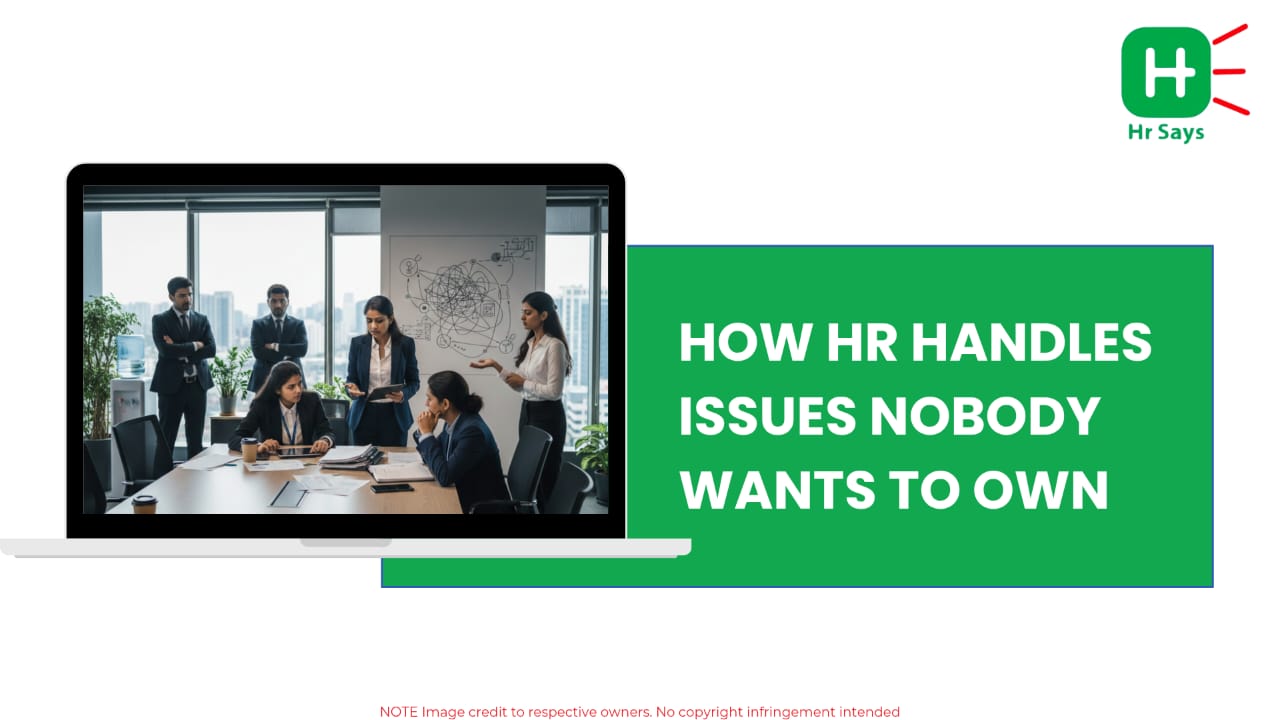
How HR Handles Issues Nobody Wants to Own

Unowned workplace issues often land with HR by default. This blog explores why such problems are avoided, how HR manages them quietly, and what organisations ...
Jan 01

Why HR Accountability Is Increasing Without Added Power

HR accountability is rising due to increased people risks and strategic expectations. However, authority has not grown at the same pace. This imbalance creates pressure, ...
Jan 01

Why HR Struggles To Balance Empathy And Policy

Balancing empathy and policy remains one of HR’s hardest challenges. Emotional labour, compliance pressure, and perception gaps pull HR in opposite directions. Sustainable balance ...
Dec 31

25 Matching result(s) found!