 Saturday, October 10, 2026
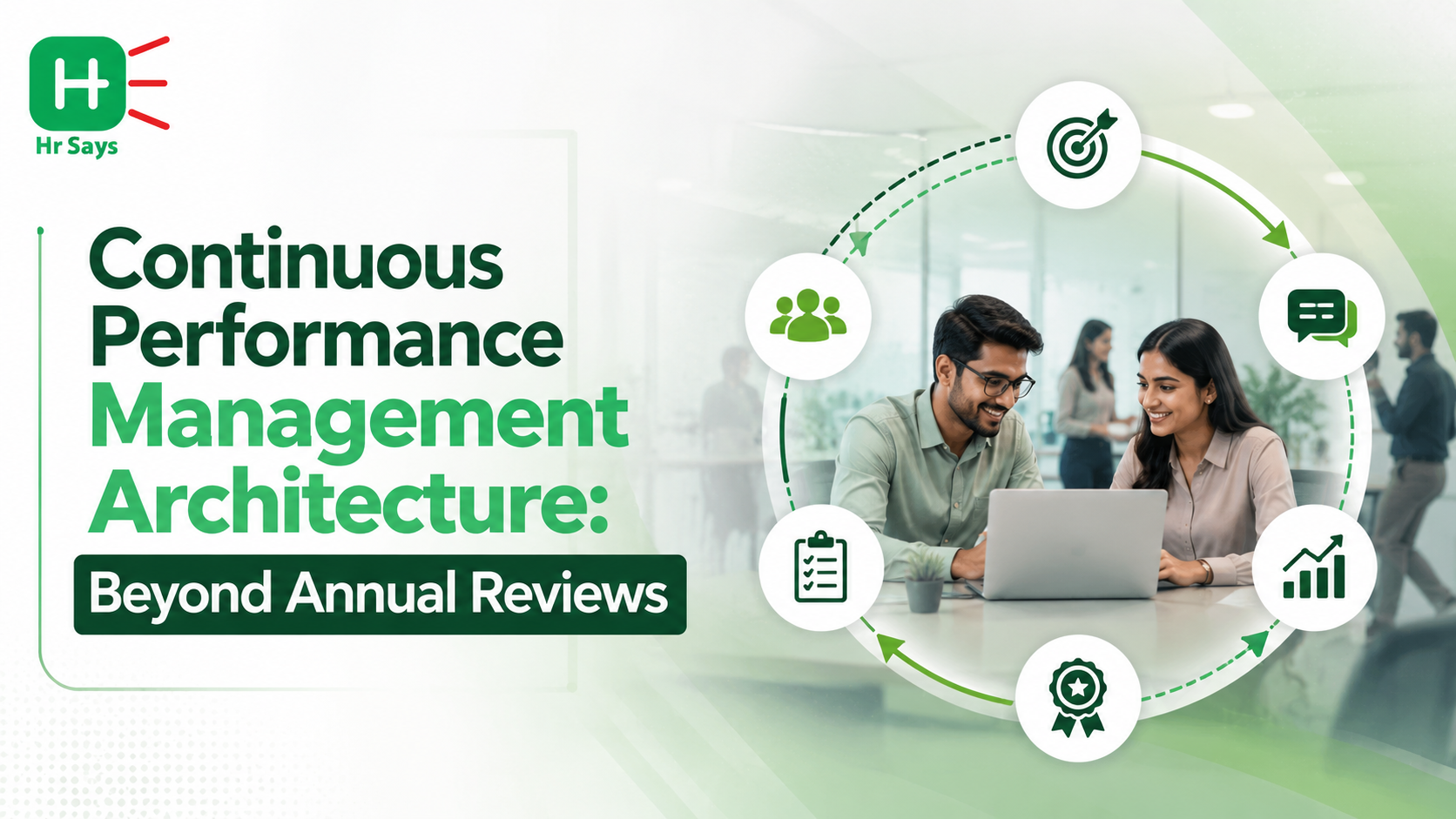
 Traditional annual performance appraisals are increasingly viewed as outdated, offering delayed feedback that fails to reflect employees' real-time contributions and growth. As workplaces become more agile and performance-driven, organizations are shifting toward continuous feedback and data-driven evaluation models that foster engagement, accountability, and ongoing development.




The corporate performance appraisal has long stood as one of the most widely disliked, counterproductive rituals in professional life. For generations, enterprise organizations operated on a rigid, predictable, and highly localized cadence: once every twelve months, managers and employees sat down for a high-stakes, multi-hour meeting to evaluate an entire year’s worth of human labor.
The structural defects of this legacy model are well-documented. The manager scrambled to reconstruct twelve months of performance metrics from fading memories and fragmented notes; the employee arrived defensive, anxious, and hyper-focused on self-preservation; and the entire exercise focused backward on past mistakes rather than forward on strategic growth, skill acquisition, and future value creation.
In today's fast-paced, highly collaborative work environment, this legacy appraisal pipeline is completely broken. Data from global workplace studies reveals a striking reality: only 14% of employees agree that traditional annual reviews actually motivate them to improve, while over half of human resource executives openly state that the conventional process fails to drive genuine engagement, clear communication, or professional development.
[ THE CRITICAL APPRAISAL LATENCY GAP ]
│
┌────────────────────────┴────────────────────────┐
▼ ▼
[ THE ANNUAL ACCUMULATION VOID ] [ THE CONTINUOUS DEVELOPMENT LOOP ]
• Feedback delayed by up to 300+ days • Real-time course corrections
• High recency bias & unexpected surprises • Weekly or bi-weekly lightweight syncing
• Evaluation focused strictly on historical errors• Agility aligned with shifting company goals
• Outcome: High anxiety & talent flight risk • Outcome: 26% productivity boost & trust
Business realities change too quickly to wait a full year for an operational course correction. When performance feedback is hoarded for a single year-end conversation, minor behavioral issues and execution bottlenecks are left to grow into major institutional failures.
Transitioning to Continuous Performance Management (CPM) resolves this operational gap. By shifting the center of gravity from a high-anxiety annual event to an ongoing rhythm of lightweight check-ins, real-time course corrections, and agile goal adjustments, modern enterprises can build a highly responsive, growth-oriented workforce.
1. The Psychological Anatomy of Appraisal Anxiety
To understand why legacy appraisal frameworks fail, organizations must look closely at the neurological and psychological reactions triggered by traditional annual reviews. The conventional year-end review operates as a high-threat environment. When an employee is subjected to an unexpected list of criticisms regarding events that occurred months prior, their brain's limbic system perceives a direct threat to their status, autonomy, and career security.
This perceived threat triggers an immediate survival response: blood flow shifts away from the prefrontal cortex—the center for high-level logic, strategic problem-solving, and creative thinking—and moves toward primitive survival centers. The employee becomes biologically incapable of processing constructive coaching. Instead, they slide into a defensive state, seeking to push back against ratings, deflect blame, or quietly plan their exit from the company.
Furthermore, managers experience a parallel wave of psychological stress. Tasked with playing the dual roles of judge, jury, and career coach, leaders frequently experience intense decision fatigue. To avoid uncomfortable friction, many fall back on common mental shortcuts:
- Recency Bias: The subconscious tendency to over-index on performance events from the final four to six weeks of the appraisal cycle, completely erasing accomplishments or missteps from the first half of the year.
- Central Tendency Bias: The practice of grading all team members as "average" or "meeting expectations" to prevent internal friction, which strips top performers of recognition and leaves underperforming staff without clear guidance.
- Halo/Horn Effects: Allowing a single prominent success or highly visible mistake to color the evaluation of an employee's entire multi-disciplinary output.
Continuous feedback eliminates these psychological distortions by breaking communication down into small, digestible, and timely pieces, transforming performance management from a hostile interrogation into a continuous, supportive partnership.
2. Core Infrastructure: The Continuous Feedback Matrix
To successfully phase out old-fashioned annual reviews without losing structural accountability, your organizational talent framework must pivot around three evidence-based operational pillars.
[ THE COMPLIANT RETENTION ENGINE ]
│
┌───────────────────────┼───────────────────────┐
▼ ▼ ▼
[ THE AGILE OKR ANCHOR ] [ THE 1:1 SYNC LAYER ] [ OMNIDIRECTIONAL FEEDBACK ]
• Dynamic quarterly resets • Bi-weekly 15-min logs • Peer-to-peer recognition
• Adapts to project shifts • Focuses on road-blocks • Clears individual manager bias
• Keeps expectations current• Low-stakes alignment • Captures fresh, daily context
Instead of defining rigid key performance indicators (KPIs) once in January and ignoring them until December, modern continuous systems employ flexible Objectives and Key Results (OKRs). Goals are reviewed and updated dynamically as market demands and company priorities shift.
If a client project redirects mid-quarter, the employee's performance expectations adjust in real time. This ensures that when performance is reviewed, individuals are evaluated against metrics that are relevant to their current daily responsibilities, removing the common frustration of being judged by obsolete targets.
Pillar B: Low-Stakes, Structured 1:1 Check-insThe heartbeat of an effective continuous performance framework is the regular, bi-weekly or monthly manager-employee alignment meeting. These sessions are deliberately lightweight—often lasting just 15 to 20 minutes—and follow a forward-looking, three-part agenda:
- Obstacle Identification: What operational bottlenecks or resource shortages are currently slowing down your weekly deliverables?
- Skill Alignment: What specific tools, technical training, or cross-functional support do you need to execute your current tasks effectively?
- Priority Calibration: Are your daily focuses perfectly aligned with the team's core objectives for the upcoming two-week sprint?
Because these conversations occur regularly, they lower workplace anxiety, remove the element of surprise, and make the final year-end summary a predictable formality.
Pillar C: Omnidirectional Real-Time FeedbackTrue performance insights are not top-down monologues. Modern systems use multi-source, 360-degree feedback tools that allow peers, cross-functional collaborators, and direct reports to share continuous recognition and constructive guidance when it matters most.
This immediate loop ensures coaching is delivered while the context is completely fresh, driving an average 26% improvement in overall team performance. By gathering data points from multiple sources, organizations can eliminate individual manager bias and gain an objective view of an employee's true team contributions.
3. The Technical Architecture: Integrating Performance Telemetry
Transitioning to a continuous feedback model requires moving past manual tracking processes. If your frontline managers have to log feedback by manually opening blank documents and sending un-tracked emails every single week, the system will quickly collapse under administrative weight. True continuous feedback relies on an integrated, API-driven software layer that captures performance telemetry directly from daily workflows.
Modern talent platforms sit quietly beneath everyday operational tools like Jira, GitHub, Salesforce, and Microsoft Teams. When an employee closes a complex technical ticket ahead of schedule, completes a high-value sales cycle, or delivers a flawless codebase update, the underlying performance engine automatically notes the milestone.
[ THE PERFORMANCE TELEMETRY DATA PATHWAY ]
Workplace Execution Tools ──► Automated capture of task completions, code check-ins, and closed tickets.
Talent Middleware Layer ──► Aggregates milestones, filters bias, and prompts micro-feedback tags.
Unified Performance Ledger ──► Generates objective portfolios linked natively with employee profiles.
This automated logging provides managers with an objective portfolio of achievements prior to every bi-weekly check-in, ensuring that performance reviews are guided by data rather than subjective impressions.
Comparative Matrix: Legacy Annual Appraisals vs. Continuous Feedback Networks
The table below contrasts the operational limits of traditional annual evaluation methods with the sustainable developmental advantages of a continuous performance feedback network.
|
Performance Evaluation Axis |
Legacy Annual Appraisal Model |
Continuous Performance Feedback Network |
The Systemic Workplace Edge |
|---|---|---|---|
|
Feedback Latency |
High; feedback is delayed by months, causing missed coaching opportunities. |
Immediate; shared in real time close to the actual work event. |
Fixes minor performance issues early before they scale into crises. |
|
Memory & Data Accuracy |
Vulnerable to intense recency bias and subjective manager impressions. |
Documented continuously via lightweight digital logs. |
Guarantees an objective, holistic view of the employee's entire year. |
|
Psychological Profile |
Induces high stress, anxiety, and defensiveness across teams. |
Low-stakes, collaborative conversations focused on growth. |
Builds deep manager-employee trust and open dialogue. |
|
Goal Adaptability |
Static; locked into rigid, annual silos that become obsolete. |
Agile, modular OKR tracks reviewed and adjusted quarterly. |
Maintains perfect alignment between individual output and company goals. |
|
Primary Structural Direction |
Backward-looking; heavily focused on past mistakes and accountability. |
Forward-looking; designed for upskilling and career pathing. |
Boosts talent retention by showing clear internal growth paths. |
|
Peer Input Integration |
Rare; typically restricted to a single, end-of-year review loop. |
Omnidirectional 360-degree recognition shared daily. |
Captures authentic cross-functional collaboration metrics. |
|
Administrative Strain |
Extreme; causes immense paperwork bottlenecks every December. |
Distributed evenly via automated, micro-logging toolsets. |
Eliminates year-end operational slowdowns across HR units. |
4. High-Performance Action Plan for HR Leaders and Managers
To successfully move your organization past outdated annual review models and embed an agile, continuous feedback framework within your daily operations, your leadership team must execute a structured, multi-phase transition protocol:
- Dismantle Legacy Packets and Train Managers as Performance Coaches
Phase 1
Shift the leadership mindset. Eliminate lengthy, multi-page annual appraisal forms and run targeted workshops to retrain your managers, moving them away from acting as administrative evaluators to becoming agile, continuous performance coaches. - Deploy Lightweight Digital Check-in and Feedback Dashboards
Phase 2
Provide the right toolkit. Integrate modern talent software that prompts managers and employees to sync regularly, enabling easy goal tracking, peer recognition, and short meeting notes right within the daily workflow tools. - Enforce Standardized Quarterly Talent Calibration Sweeps
Phase 3
Ensure organizational fairness. Convene department heads four times a year to review rolling performance logs, balance rating criteria across distinct teams, and identify high-potential talent early to optimize your internal promotion pipelines.
5. Overcoming Implementation Friction: A Guide for Leadership
Shifting an established enterprise from traditional annual reviews to a continuous performance model will inevitably face organizational pushback. Recognizing common friction points early allows HR teams to manage the transition smoothly.
Issue A: The "Managerial Overhead" ProtestManagers frequently worry that moving to continuous feedback will consume hours of their week with endless meetings. HR must show that CPM actually saves time. Traditional annual reviews require leaders to spend hours per employee writing summaries, filling out forms, and handling rating disputes every December.
In contrast, continuous feedback breaks this work down into brief, 15-minute check-ins that are already part of standard project tracking, eliminating year-end paperwork bottlenecks entirely.
Issue B: The "Radical Candor" MisconceptionSome team members may confuse real-time feedback with constant, unstructured criticism, which can spike workplace anxiety. Training programs must emphasize that effective continuous feedback balances constructive course corrections with regular recognition.
Constructive feedback should follow a simple, objective formula: state the specific action, describe the operational impact on the project, and collaborate on a clear solution. Keeping coaching conversations structured and constructive prevents personal friction and maintains psychological safety across the team.
[ STRUCTURAL FEEDBACK CALIBRATION STEP ]
│
┌───────────────────────────┼───────────────────────────┐
▼ ▼ ▼
[ SPECIFIC EVENT REGISTRATION ] [ OPERATIONAL IMPACT ] [ CO-FOUNDED STEP SOLUTION ]
"The code update delivered "This caused a 40-minute "Let's integrate an automated
without local unit test checks." staging deployment lag." pre-commit validation script."
Actionable Strategy: Your Long-Term Governance Roadmap
- Link Performance Records Natively with the Universal APAAR ID Ecosystem: Ensure your corporate Human Resource Information System (HRIS) coordinates smoothly with national educational and skill-tracking networks. Syncing employee professional milestones and upskilling credits natively using verified APAAR IDs via the digital Academic Bank of Credits (ABC) framework preserves an individual's lifelong learning achievements, simplifies compliance tracking, and streamlines internal mobility reviews.
- Deploy Strengths-Based Technical Career Track Options: Prevent talent loss by avoiding a one-size-fits-all approach to career growth. Create distinct, high-status advancement tracks that allow elite technical contributors to gain promotions and salary increases based on skills growth and project execution, without forcing them into management roles they do not want.
- Conduct Semi-Annual Feedback Quality and Participation Audits: Keep a continuous, objective eye on adoption metrics. Appoint a talent analytics officer to audit your check-in dashboards twice a year, tracking which departments are abandoning their regular 1:1 sessions and stepping in with executive coaching before communication drops and attrition rises.
Frequently Asked Questions (FAQs)
Q1. Why are traditional annual performance reviews widely considered failures in modern business?Annual reviews deliver feedback too late to affect real-time work, consume massive amounts of administrative time, rely heavily on fallible human memory, and generate high anxiety, which dampens employee morale rather than inspiring professional growth.
Q2. What exactly is "recency bias," and how does it distort a yearly appraisal?Recency bias is the natural human tendency to remember recent events much more clearly than older ones. In annual reviews, this leads managers to evaluate an employee's entire 12 months of work based primarily on their successes or mistakes from the final four weeks of the year.
Q3. Does moving to continuous performance management mean getting rid of year-end reviews entirely?Not over night. Many forward-thinking organizations still maintain a light year-end summary to finalize compensation adjustments. However, because performance has been tracked and discussed all year, the year-end meeting features zero surprises and functions as a forward-looking planning session.
Q4. How frequently should managers and employees conduct performance check-ins?The ideal cadence ranges from weekly to bi-weekly, but at an absolute minimum, check-ins should occur once a month. The key requirement is consistency—keeping sessions brief, conversational, and focused on current goals and obstacles.
Q5. What is the role of an APAAR ID in tracking corporate upskilling and skills growth?An Automated Permanent Academic Account Registry (APAAR) ID serves as a secure, lifelong digital identity that records an individual's verified learning achievements. Natively linking this with an HRIS allows enterprises to track employee skills growth and professional certifications accurately over time.
Q6. How does 360-degree feedback help create a fairer performance evaluation process?Traditional reviews rely solely on a single manager's perspective. 360-degree feedback gathers structured input from peers, cross-functional partners, and direct reports, creating a well-rounded, objective view of an employee's true workplace contributions.
Q7. Can continuous feedback loops actively reduce regrettable talent turnover?Yes, exceptionally well. Employees who participate in regular check-ins are three times more likely to feel supported and see a clear path for internal career development, which drastically cuts voluntary resignations and lowers recruitment costs.
Q8. What metrics are actively monitored on a 360-degree continuous talent scorecard?A holistic scorecard tracks metrics past simple output tallies, cross-referencing rolling goal completion speeds, 1:1 check-in participation rates, peer recognition sentiment scores, new skills competency gains, and quarterly team retention levels.
Q9. How fast can a company see an increase in team productivity after making the switch?When a corporate network updates its strategy to deploy automated check-in portals, launch manager coaching programs, and activate agile quarterly goals, the operational return is rapid. You can observe improved alignment and a distinct rise in team output within 4 to 6 weeks of active execution.
Q10. What immediate steps should an HR director take if a manager consistently skips their scheduled check-ins?The director must follow a structured playbook: program the HRIS to automatically flag missed sessions, schedule a prompt diagnostic meeting with the manager to resolve scheduling or workload bottlenecks, re-emphasize that continuous coaching is a core management metric, and track compliance closely over the following quarter.
Q11. How can a company connect continuous performance data with annual compensation and salary choices fairly?Organizations can merge their data into an annual calibration ledger. Instead of relying on a single year-end score, the system averages an employee's rolling quarterly OKR completions and continuous feedback points, providing a balanced, transparent foundation for merit-based raises.
Q12. What steps should a manager take if an employee pushes back against real-time constructive feedback?The manager should move the conversation to an objective, problem-solving framework. Focus on verifiable data points rather than personal impressions, clarify how the specific issue impacts the broader project timeline, and invite the employee to help design a practical path forward.
Q13. How does continuous performance management support remote and hybrid team structures?Remote and hybrid environments lack the casual interactions of physical offices, making clear communication essential. Continuous feedback provides a reliable virtual touchpoint, ensuring remote employees stay aligned with current goals and feel connected to team achievements.
Q14. What are the key features to look for when choosing continuous performance software?Look for platforms that offer native integration with everyday tools (like Teams or Slack), simple two-way scheduling for check-ins, flexible OKR tracking modules, anonymous multi-source feedback capabilities, and robust data privacy protections.
Q15. How can organizations prevent peer feedback tools from turning into popularity contests?HR teams should structure peer feedback around clear, professional competency metrics rather than open-ended comments. Additionally, calibration tools can help filter out unusually high or low entries, ensuring peer insights remain objective and valuable.