 Saturday, October 24, 2026
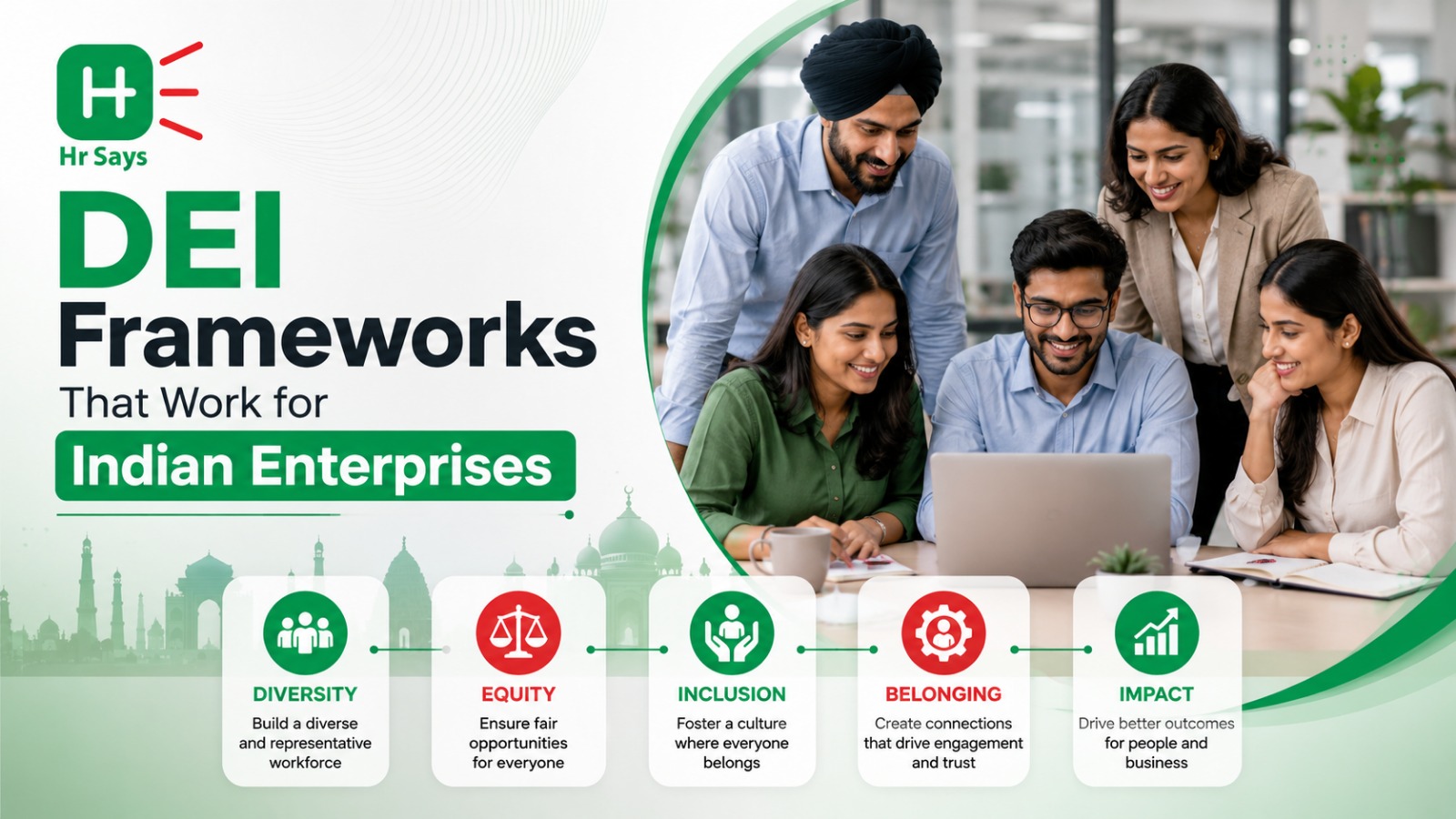
 As Indian organizations strengthen their DEI initiatives, there is growing recognition that imported global frameworks may not fully address the country's unique social, cultural, and workplace dynamics. Organizations are increasingly adopting context-specific inclusion strategies that reflect the realities of the Indian workforce.




For many years, corporate India approached Diversity, Equity, and Inclusion (DEI) by importing frameworks directly from Western multinational templates. These copied models focused heavily on Western race paradigms and socio-political histories. When applied to Indian workplaces, they frequently felt disconnected from local realities, resulting in superficial tokenism, such as celebratory calendar events, rather than driving systemic cultural or operational transformation.
The business landscape in India demands a fundamentally localized approach. Indian enterprises operate within an intricate web of socio-economic diversity, encompassing deep linguistic variations, stark regional identities, multi-generational workforces, a growing gig economy, and distinct legal mandates.
[ THE INDIAN INTERSECTIONAL DEI GAP ]
│
┌──────────────────────────┴──────────────────────────┐
▼ ▼
[ LEGACY WESTERN TEMPLATES ] [ CONTEXTUALIZED INDIAN MATRIX ]
• Monolithic race/gender focus • Multi-layered linguistic & regional variance
• Disconnected from local labor codes • Strictly aligned with SEBI BRSR & POSH frameworks
• Superficial, event-driven metrics • Focused on the mid-career "broken rung" for women
• Outcome: Compliance checkmarks & low impact • Outcome: True institutional equity & high retention
Furthermore, the regulatory landscape has completely transformed. With the Securities and Exchange Board of India (SEBI) mandating comprehensive Business Responsibility and Sustainability Reporting (BRSR) under Environmental, Social, and Governance (ESG) pillars, DEI metrics are no longer optional HR initiatives. They are core governance mandates.
To build sustainable, high-performing workforces, Indian enterprises must deploy a contextualized DEI framework that addresses localized structural gaps while actively driving institutional resilience and compliance.
1. The Core Infrastructure: The Indian Intersectionality Matrix
To construct an inclusive architecture that delivers authentic business value, an Indian enterprise's talent strategy must pivot around three localized, structural pillars.
- Mending the Mid-Career "Broken Rung" for Women: While initial intake numbers for women in entry-level corporate roles have steadily climbed, statistics indicate a sharp drop-out rate at the mid-management layer. This shift is frequently driven by life transitions, including caregiving responsibilities and marriage. An effective framework must move past simple diversity hiring to implement structural "Returnship" Programs—offering clear upskilling pathways, flexible hybrid balancing configurations, and objective, job-relevant performance criteria that evaluate output rather than physical office presence.
- Linguistic and Regional Integration: India’s massive tier-1 corporate hubs (such as Bengaluru, Hyderabad, the National Capital Region, and Pune) attract a highly migratory workforce from diverse states. Left unmanaged, workplaces can break down into regional or linguistic silos that isolate talent and stall cross-functional collaboration. Progressive frameworks deploy localized communication guidelines, ensure all key internal strategy documents are available in clear formats, and offer inclusive collaboration toolkits that value talent based on capability rather than regional background.
- Structured PwD Accessibility and Transgender Protections: True equity requires shifting from passive compliance to proactive workplace engineering. In alignment with the Rights of Persons with Disabilities Act and the Equal Opportunities Policy for Transgender Persons, enterprises must invest in barrier-free physical infrastructure, such as ergonomic ramps and dedicated gender-neutral washrooms. Additionally, they need to update corporate insurance grids to cover gender-affirmation treatments and establish comprehensive assistive-device float pools.
2. The Regulatory Catalyst: Driving Compliance Through Data
Modern DEI frameworks in India are tightly linked with strict legal and statutory requirements. Corporate governance teams must treat equity reporting with the same financial rigor applied to annual revenue balancing.
[ THE REGULATORY COMPLIANCE ARCHITECTURE ]
SEBI BRSR Disclosures ──► Mandatory tracking of gender composition, parental leave attrition, and PwD metrics.
POSH Act Accountability ──► Evidence-based verification of Internal Committee (IC) readiness and safety audits.
Transgender Protection ──► Equal opportunity hiring paths and non-discriminatory workplace design rules.
By framing DEI metrics within these statutory guidelines, human resource teams can move past superficial vanity numbers. Instead, they can focus on high-yield, audit-ready performance indicators that protect the enterprise from legal friction and appeal directly to ESG-conscious global investors.
Comparative Matrix: Legacy Westernized DEI vs. India-Contextualized Systemic DEI Frameworks
The matrix below contrasts the operational limits of traditional, imported diversity programs with the high-performance outcomes of a customized, local DEI design.
|
Organizational Inclusion Vector |
Legacy Westernized DEI Template |
India-Contextualized Systemic Framework |
Long-Term Institutional Edge |
|---|---|---|---|
|
Primary Diversity Focus |
Centered on global race and monolithic gender concepts. |
Intersectional focus on gender returnships, language, and regionalism. |
Unlocks the full potential of diverse talents across all Indian demographics. |
|
Compliance Alignment |
Disconnected from local labor codes and statutory filings. |
Natively linked with SEBI BRSR metrics and POSH verification. |
Insulates the enterprise against regulatory friction and enhances ESG ratings. |
|
Frontline Retention Strategy |
Generic mentorship circles with minimal career pathing. |
Targeted upskilling paths to repair the mid-level "broken rung." |
Minimizes costly management turnover and preserves institutional knowledge. |
|
Physical Workspace Setup |
Standard layout styles with secondary accessibility features. |
Mandated barrier-free spaces and gender-neutral washrooms. |
Meets Rights of PwD standards while expanding candidate pools. |
|
Benefits & Insurance Grid |
Standard individual coverage models. |
Inclusive family insurance policies covering diverse relationships. |
Maximizes employee loyalty and positions the firm as an employer of choice. |
3. High-Performance Action Plan for CHROs and Business Leaders
To successfully update your enterprise operating model and launch a contextualized, data-driven DEI framework across your business units, your leadership team must execute a structured, multi-phase operational protocol:
- Execute a Comprehensive BRSR Data and Attrition Audit
Phase 1
Identify hidden retention gaps early. Clean out your current human capital database to track precise gender composition ratios across management levels, evaluate parental leave return rates, and measure turnover patterns across diverse talent pools. - Embed Objectively Structured, Bias-Resistant Performance Frameworks
Phase 2
Dismantle subjective evaluation habits. Update your performance review software to track performance based on clear, job-relevant deliverables, ensuring employees utilizing hybrid setups or returnship tracks are judged solely on output rather than face-time metrics. - Deploy Centralized, Accessible Infrastructure and Benefit Overhauls
Phase 3
Upgrade your physical and operational spaces. Install clear, barrier-free access routes across all primary office locations, set up gender-neutral restrooms, and restructure corporate medical benefits to cover transition therapeutics and diverse family lines.
Actionable Strategy: Your Long-Term Corporate Governance Plan
- Link Employee Professional Growth with the APAAR ID Ecosystem Natively: Ensure your internal corporate learning and development platforms coordinate with national digital networks. Syncing employee training milestones and technical certifications natively using verified APAAR IDs within the digital Academic Bank of Credits (ABC) repository preserves an individual's lifelong upskilling achievements, simplifies background checks, and streamlines internal mobility tracking.
- Establish Cross-Functional Employee Resource Groups (ERGs) with Executive Sponsorship: Move past unguided affinity clubs. Launch structured ERGs focused on critical workforce segments—such as working parents, PwD professionals, and LGBTQIA+ teams—and pair each group with an active executive board member to ensure grass-roots feedback translates directly into corporate policy adjustments.
- Conduct Semi-Annual Compensation Equity and Pay-Gap Audits: Keep a continuous, objective eye on structural compensation data. Bring your finance heads, legal partners, and compensation managers together twice a year to analyze rolling salary allocations across identical job levels, correcting any gender-based or demographic pay variations before yearly cycles close.
Frequently Asked Questions (FAQs)
Q1. Why do generic, Western-imported DEI frameworks frequently fail within Indian enterprises?Western DEI models are primarily built around race paradigms and distinct Western social dynamics. Indian enterprises operate within a complex social tapestry defined by regional identities, deep linguistic diversity, generational shifts, and unique statutory mandates like the POSH Act and SEBI BRSR guidelines, requiring a deeply localized approach.
Q2. What exactly is the "broken rung" phenomenon for women in corporate India?The broken rung refers to the significant drop-out rate of women transitioning from entry-level positions into mid-management roles. This shift is frequently driven by life transitions, such as caregiving or marriage, combined with a lack of flexible hybrid options and objective, output-based evaluation systems.
Q3. How does SEBI's BRSR framework force companies to take DEI seriously?The Business Responsibility and Sustainability Reporting (BRSR) mandate requires all top listed entities to disclose transparent data regarding gender ratios, PwD employee percentages, parental leave return rates, median wage disparities, and safety metrics under the social pillar of ESG filings, making inclusion a core governance metric.
Q4. What are the key infrastructure requirements for implementing true PwD inclusion?True inclusion requires physical and digital accessibility upgrades in compliance with the Rights of Persons with Disabilities Act, including installing tactile paths and ergonomic ramps, modifying washrooms, and providing screen-reading tools alongside accessible digital platforms.
Q5. How does linguistic diversity affect daily collaboration within major tier-1 Indian tech hubs?Large corporate hubs draw talent from every corner of the country. Without inclusive communication policies, teams can naturally split into regional or linguistic silos, which isolates talent, hampers cross-functional innovation, and contributes to unexpected turnover.
Q6. Can an enterprise safely implement gender-neutral washrooms within standard office settings?Yes, exceptionally well. By upgrading existing building layouts to include individual, fully enclosed, floor-to-ceiling private cubicles with shared external washing stations, companies can provide safe, private, and dignified spaces for all employees while matching global inclusion standards.
Q7. What role do "Returnship" programs play in structural workforce equity?Returnship programs provide structured pathways for professionals re-entering the corporate sphere after a prolonged career break. By offering targeted technical upskilling, clear project goals, and dedicated peer mentoring, companies can reclaim high-value mid-career talent easily.
Q8. What parameters are evaluated on a 360-degree Indian enterprise DEI scorecard?A holistic scorecard tracks data across multiple operational layers, cross-referencing rolling gender representation by management tier, pay-equity parity indexes, accessibility compliance markers, parental leave retention scores, and internal POSH grievance resolution velocities.
Q9. How fast can a company expect a return in retention rates after deploying these localized frameworks?When an enterprise updates its strategy to launch structured returnship tracks, deploy accessible workspace layouts, and automate bias-resistant performance calibration rules, the return is rapid. You can observe improved employee engagement scores and a distinct drop in voluntary attrition within 4 to 6 weeks of active execution.
Q10. What steps should a CHRO take if a specific business unit flags for high minority or gender turnover?The response must follow a data-driven playbook: immediately launch a detailed exit-interview data sweep within that division, audit recent performance rating distributions to check for subjective face-time bias, review local scheduling practices against corporate flexibility policies, and provide the unit director with direct leadership coaching.