 Saturday, October 24, 2026
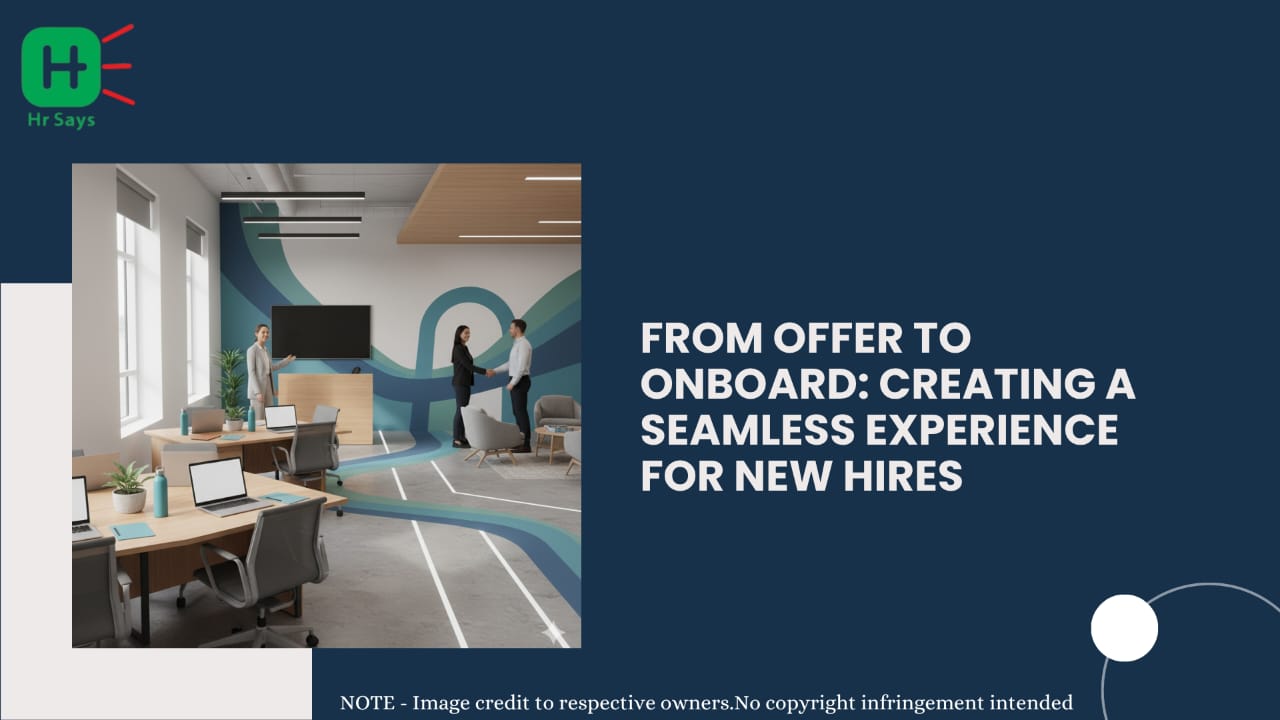
 A smooth journey from offer letter to onboarding strengthens confidence and belonging.
Structured steps, regular communication, and thoughtful engagement help new hires adapt
quickly and build long term trust within the workplace.
A smooth journey from offer letter to onboarding strengthens confidence and belonging.
Structured steps, regular communication, and thoughtful engagement help new hires adapt
quickly and build long term trust within the workplace.




How can a company make out of a mere offer letter the beginning of an important journey? The efficient employee induction process is usually considered to be the high level of smooth integration of the new employee in the workplace, performance, and dedication. It is this stage that forms their initial impression and creates the foundation of future long term contact.
The Path: Why a Strong Start Matters
Proper preboarding and onboarding will make the new employees feel that they are supported on their first day and trust usually starts at the initial stages, which companies tend to neglect. A systematic practice will avoid confusion, burnout early, and enhance a greater alignment in the workplace.
Building an Engaging Preboarding Experience
A preboarding cycle sets the tone for an employee’s journey. It keeps them informed, reassured, and eager for the first day. In many workplaces, this phase is still unstructured. A little planning can change everything.
What Effective Preboarding Looks Like
A few simple steps can elevate the experience. It helps new hires feel confident and valued even before they walk in.
• Sending clear joining instructions
• Sharing company policies and expectations
• Providing access to required tools or platforms
• Introducing them to their reporting manager
• Sharing a welcome note from HR
Designing an Onboarding Plan That Works
An onboarding program should feel practical, warm, and well paced. It should focus on smoother team integration and a clear understanding of job expectations. When done right, it reduces early role confusion and supports long term retention.
Key Elements of an Effective Onboarding Program
This stage guides employees through their first week and month.
• Assign a buddy or mentor
• Provide an orientation on role specific tasks
• Offer a workspace tour in hybrid or in office setups
• Share training materials and standard processes
• Set realistic 30, 60, and 90 day goals
Creating a Human First Welcome Journey
The first week can be overwhelming. A thoughtful approach keeps the experience relaxed and reassuring. Employees appreciate when onboarding feels human, not transactional. Engagement tools and HR automation can help, but the personal touch makes a difference.
Making the First Week Smoother
Small gestures improve belonging and motivation.
• Regular check ins from HR and managers
• Clear guidance on daily tasks
• Encouraging team introductions
• Providing access to support channels
Keeping Engagement High After Onboarding
Employee engagement should not end after the first week. A continuous process builds a sense of stability and involvement. Ongoing support helps new hires adjust better and contribute confidently.
Sustaining Momentum Beyond the First Month
New hires often need time to understand culture, communication styles, and expectations.
• Monthly one on one check ins
• Access to learning and development opportunities
• Transparent performance discussions
• Space for asking questions freely
Conclusion
A seamless journey from offer to onboarding leaves a lasting impact. When employees feel supported, informed, and welcomed, they settle in faster. A thoughtful process helps HR teams build stronger workplace relationships and encourages a healthier work culture.