 Thursday, November 19, 2026

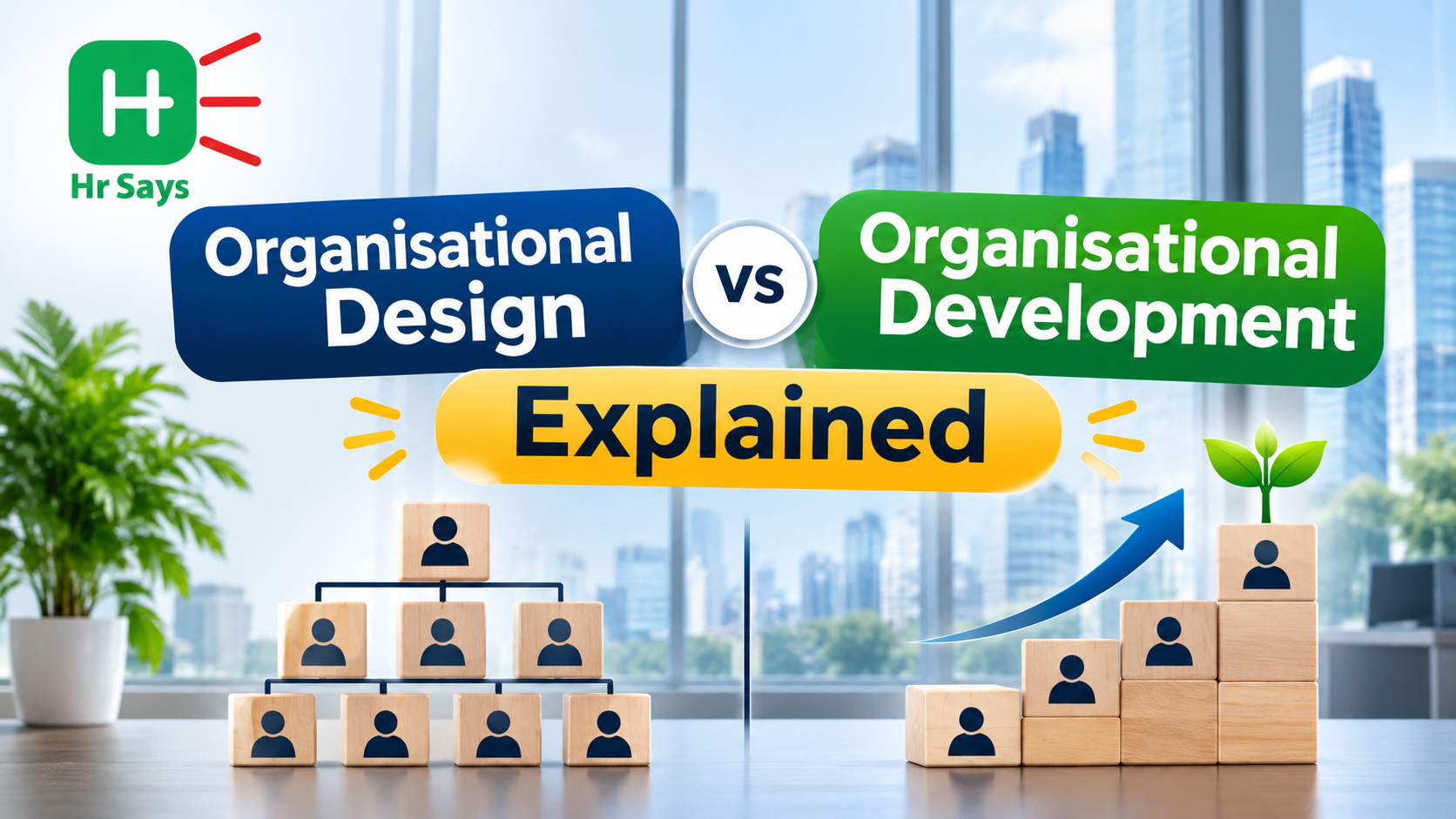
 Redesigning reporting structures without confusion requires a phased approach combining organizational audit, stakeholder input, layered communication, and active transition management tailored for Indian workplaces.





Introduction
Organizational growth is rarely a smooth, linear journey. At some point, most Indian companies find that the reporting structures they started with no longer reflect how work actually flows. Teams have expanded, roles have evolved, new business units have been added, and what once felt logical now creates friction, duplication, and confusion. The result is a workplace where people are unsure who to approach for decisions, accountability becomes blurred, and productivity quietly erodes.
Redesigning reporting structures is one of the most consequential interventions an HR leader or founder can make. Done well, it brings clarity, accelerates decisions, and empowers teams. Done poorly, it creates anxiety, signals instability, and damages trust. The difference between those two outcomes almost always comes down to how the process is planned and communicated.
This guide is written for HR heads, CHROs, founders, and business leaders in Indian organizations who are navigating or preparing to navigate a structural redesign. The focus is not just on what to change, but on how to change it in a way that keeps people informed, engaged, and confident.
Understanding Why Reporting Structures Need Redesigning
Before any structural change is initiated, it is worth understanding what is actually driving the need for redesign. Organizations do not restructure for the sake of it. The triggers are almost always real and observable.
In fast-growing Indian startups and mid-size companies, one of the most common triggers is rapid headcount expansion. When a team grows from 20 to 200 people within two years, the original flat hierarchy where everyone reported to the founder or a single department head becomes unmanageable. Managers find themselves overseeing too many direct reports, decisions slow down, and junior employees feel disconnected from leadership.
Another common trigger is organizational pivots. When a company launches a new product line, enters a new market, or shifts its business model, the existing reporting structure may no longer reflect where the actual work is happening. A reporting hierarchy designed for a product-first company may not serve a company that has become services-led.
Mergers and acquisitions also force structural redesign, particularly in India's rapidly consolidating sectors such as healthcare technology, logistics, and financial services. When two organizations combine, their reporting hierarchies rarely align cleanly. Duplicate roles, conflicting reporting lines, and unclear authority zones become immediate challenges.
Understanding the specific driver behind the redesign shapes every decision that follows, from which roles need to be repositioned to how communication should be framed for employees.
Common Mistakes Organizations Make During Restructuring
Structural redesigns fail not because the new structure was poorly designed, but because the transition was poorly managed. Several patterns repeat themselves across Indian organizations that have struggled through restructuring.
The most frequent mistake is treating the redesign as a purely structural exercise rather than a human one. Leaders focus on org chart boxes and reporting lines while underestimating how profoundly the change affects people's sense of identity, security, and professional relationships. An employee who has reported to the same manager for three years and suddenly finds themselves in a new chain of command experiences genuine psychological disruption. That disruption, if unacknowledged, turns into disengagement.
A second common mistake is making changes without adequate groundwork. When a new reporting structure is announced without prior communication or context, employees fill the information vacuum with speculation. Rumors spread faster than facts, and by the time official communication goes out, the narrative has already been shaped by anxiety.
A third mistake is trying to implement too much change at once. Organizations that attempt a full-scale restructuring across all departments simultaneously often find that the complexity exceeds their change management capacity. The result is a prolonged period of confusion that affects recruitment, client relationships, and internal collaboration.
A Step-by-Step Framework for Redesigning Reporting Structures
Effective restructuring follows a deliberate sequence. The steps below are not theoretical. They reflect what works in practice for Indian organizations operating in complex, fast-moving environments.
Step 1: Conduct an organizational audit before making any changes.Before drawing a new org chart, map what currently exists. Document every reporting relationship, identify where there are spans of control issues, note where decision-making is consistently delayed, and gather qualitative feedback from managers and teams about where structural friction is most felt. This audit provides the factual foundation for every design decision that follows.
Step 2: Define the design principles guiding the new structure.Every organizational structure embeds certain values and priorities. Some structures optimize for speed of decision-making. Others optimize for specialization, cross-functional collaboration, or geographic alignment. Before redesigning, leadership must agree on what the new structure is meant to achieve. Without this alignment, design decisions become arbitrary and inconsistent.
Step 3: Design with input, not in isolation.The most credible and practical structures are designed with input from the people who will operate within them. This does not mean that every employee has a vote on the final design. It means that HR leaders and senior management actively consult department heads, team leads, and key individual contributors before finalizing the new structure. This input often surfaces practical considerations that leadership would not have anticipated from the top.
Step 4: Map role transitions clearly.For each person affected by the restructuring, the transition must be mapped individually. Who will they report to? Will their responsibilities change? Will their team composition change? Will their grade, title, or compensation be affected? Every ambiguity left unresolved at this stage becomes a source of confusion and anxiety during implementation.
Step 5: Communicate in layers and in advance.Communication is not an announcement. It is a process. Effective restructuring communication typically begins with leadership alignment, followed by manager briefings, followed by team-level conversations, and then company-wide communication. Each layer reinforces the same core message while addressing the specific concerns relevant to that audience. In Indian organizations, where hierarchy and interpersonal relationships carry significant weight, it is especially important that managers feel equipped and informed before they are expected to have conversations with their own teams.
Step 6: Create a transition period with clear milestones.A new reporting structure rarely takes full effect on day one. Organizations benefit from defining a transition period during which the new structure is progressively implemented, questions are actively addressed, and teams are given time to adapt. This period should have clear milestones so that progress is visible and the endpoint is defined.
Maintaining Clarity During and After the Transition
The most significant risk during a structural redesign is not the change itself but the period of ambiguity that surrounds it. When employees are unsure who their manager is, who approves their leave, who they escalate to, or how their performance will be evaluated, their ability to work effectively is genuinely compromised.
Several practical measures help maintain clarity during this period.
A transition FAQ document shared with all employees on the day of announcement can address the most common questions immediately. This document should be honest about what is confirmed, what is still being worked through, and when updates will follow.
Dedicated check-ins between managers and their new direct reports in the first two to four weeks of the transition help build working relationships and surface concerns early. These conversations should not be purely procedural. They should create space for the employee to share how they are experiencing the change.
Visible leadership presence during a restructuring matters more than most leaders realize. When founders, CEOs, and senior HR leaders are accessible, communicative, and transparent during a period of change, it signals that the organization takes its people seriously. When leadership becomes invisible during restructuring, employees interpret the absence as confirmation of their worst fears.
The Role of HR in Leading Organizational Redesign in India
In Indian organizations, HR's role in a restructuring exercise is frequently limited to implementation, which means HR receives a structure that leadership has already designed and is then tasked with rolling it out. This model consistently underperforms.
HR leaders who have the most impact in restructuring are those who are involved from the diagnostic phase. They bring the human perspective into structural design decisions. They flag when a proposed reporting line is likely to create tension based on existing team dynamics. They ensure that the communication plan is adequately resourced. They manage the legal and compliance dimensions of role changes in line with applicable labor regulations in India.
The Society for Human Resource Management and leading Indian HR bodies have consistently noted that the quality of change management during organizational restructuring is a stronger predictor of success than the quality of the new structure itself. Getting the structure right matters, but getting the change management right matters more.
Indian organizations, particularly in Tier 2 and Tier 3 cities where workplace cultures are often more hierarchical and formal, need to invest additionally in one-on-one communication and leadership visibility during restructuring. A formal announcement that works reasonably well in a metro-based startup may feel impersonal and anxiety-inducing in a more relationship-oriented workplace culture.
Measuring Whether the Restructuring Worked
After implementation, the work does not end. Organizations need to actively monitor whether the new reporting structure is delivering what it was designed to deliver.
Key indicators to track include decision turnaround time, manager-to-employee feedback quality, employee satisfaction scores, escalation rates, and attrition among the teams most affected by the change. If the structure was well-designed and well-implemented, these indicators should show measurable improvement within two to three quarters.
If problems persist, the diagnostic phase needs to be revisited. Sometimes a reporting structure that looked correct on paper reveals unforeseen friction points in practice. The willingness to continue refining the structure based on evidence is itself a marker of organizational health.
Conclusion
Redesigning reporting structures is one of the most demanding and consequential exercises in organizational management. The organizations that handle it well are not those that design the most elegant org chart. They are the ones that invest equally in clarity of design, quality of communication, manager enablement, and ongoing monitoring. For HR leaders in India's growing organizational landscape, the ability to lead a structural redesign without creating confusion is a defining professional competency. It requires deep understanding of people, process, and organizational psychology, applied with discipline and genuine care for the workforce.
Frequently Asked Questions
Q1: What is the right time to redesign a reporting structure?
The right time is when the existing structure is visibly creating friction in decision-making, accountability, or team collaboration. Common triggers include rapid headcount growth, business model changes, geographic expansion, or post-merger integration. Waiting until confusion becomes a crisis is not advisable.
Q2: How long does a reporting structure redesign typically take in Indian organizations?
The timeline depends on the size and complexity of the organization. For small and mid-size Indian companies with 100 to 500 employees, a full structural redesign including diagnosis, design, communication, and transition typically takes three to six months when managed properly.
Q3: How should HR communicate a reporting structure change to employees?
Communication should be layered, starting with leadership, then managers, then all employees. It should explain the reason for the change, what will change for each person, what will remain the same, and what the timeline looks like. A written FAQ document distributed on announcement day is a practical tool for minimizing speculation.
Q4: Can a reporting structure change affect employee compensation in India?
A reporting structure change does not automatically affect compensation, but it may affect grade, title, or role scope depending on how the redesign is structured. Any changes to compensation must be handled in compliance with applicable employment law and the terms of individual employment contracts.
Q5: What is the most common reason organizational restructuring fails?
The most common reason is insufficient change management. Organizations spend significant effort on designing the new structure but underinvest in communicating it, preparing managers, and supporting employees through the transition. The structural design may be sound, but the human experience of the change determines whether it takes hold effectively.
Resources
- Society for Human Resource Management (SHRM): Global research and frameworks on organizational design, change management, and workforce planning best practices.
- Ministry of Labour and Employment, Government of India: Policy and regulatory guidance on employment, labor compliance, and workforce restructuring in Indian organizations.
- NITI Aayog: Research on organizational capacity, workforce development, and economic growth in Indian enterprises.
- Harvard Business Review: Evidence-based insights on organizational restructuring, leadership communication, and change management applicable to global and Indian business contexts.
- People Matters: India-focused HR media platform publishing research and analysis on organizational design, workforce transformation, and HR leadership trends in Indian companies.
Interlinking Keywords
Reporting structure redesign, organizational restructuring India, workforce planning, HR organizational design, change management HR, employee communication strategy, manager enablement, span of control, org chart redesign, HR leadership India
Last Reviewed By
Dr. Manthan Tripathi and Hr Says Advisory Panel on 19 November 2026.
Disclaimer
The information presented in this article is intended for general informational and educational purposes only. It does not constitute legal, compliance, or regulatory advice. Organizations are encouraged to consult qualified legal and HR professionals before drafting or implementing an AI usage policy, particularly in light of applicable Indian laws and sector-specific regulations.