 Tuesday, November 17, 2026
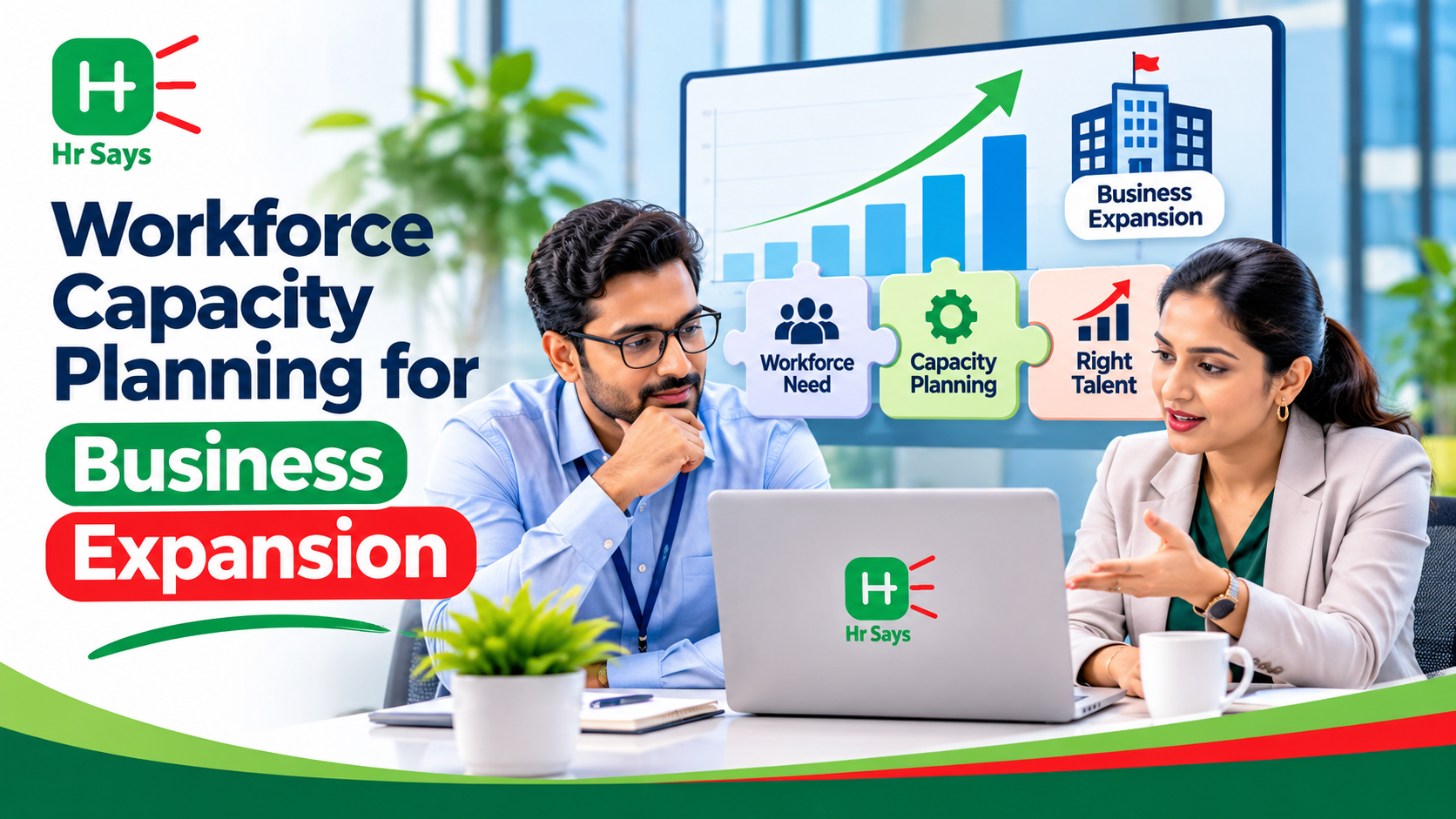
 Effective workforce capacity planning enables businesses to scale strategically by aligning hiring, organizational design, and talent development to growth goals, ensuring sustainable and people-centered expansion.





Introduction
Business expansion is one of the most exciting phases in an organization's journey. New markets, new verticals, new geographies, and new revenue opportunities all signal growth. But behind every successful expansion is a workforce that is adequately planned, properly sized, and strategically aligned to deliver on the organization's ambitions.
Workforce capacity planning is the process of ensuring that an organization has the right number of people, with the right skills, in the right roles, at the right time. During a period of expansion, this process becomes especially critical. Hiring too few people leads to burnout, missed deadlines, and poor customer experience. Hiring too many leads to bloated payroll, cultural dilution, and eventual layoffs. Neither outcome serves the organization well.
For Indian businesses, the challenge carries additional layers of complexity. India's talent landscape is diverse but uneven, with significant skill gaps in certain sectors, regional differences in talent availability, and a rapidly evolving employment market shaped by the rise of gig work, hybrid models, and digital transformation. HR leaders and business owners who understand these dynamics are far better positioned to build workforces that can sustain growth.
This guide walks through the essential steps, frameworks, and considerations for planning workforce capacity effectively during business expansion in the Indian context.
Understanding Workforce Capacity Planning
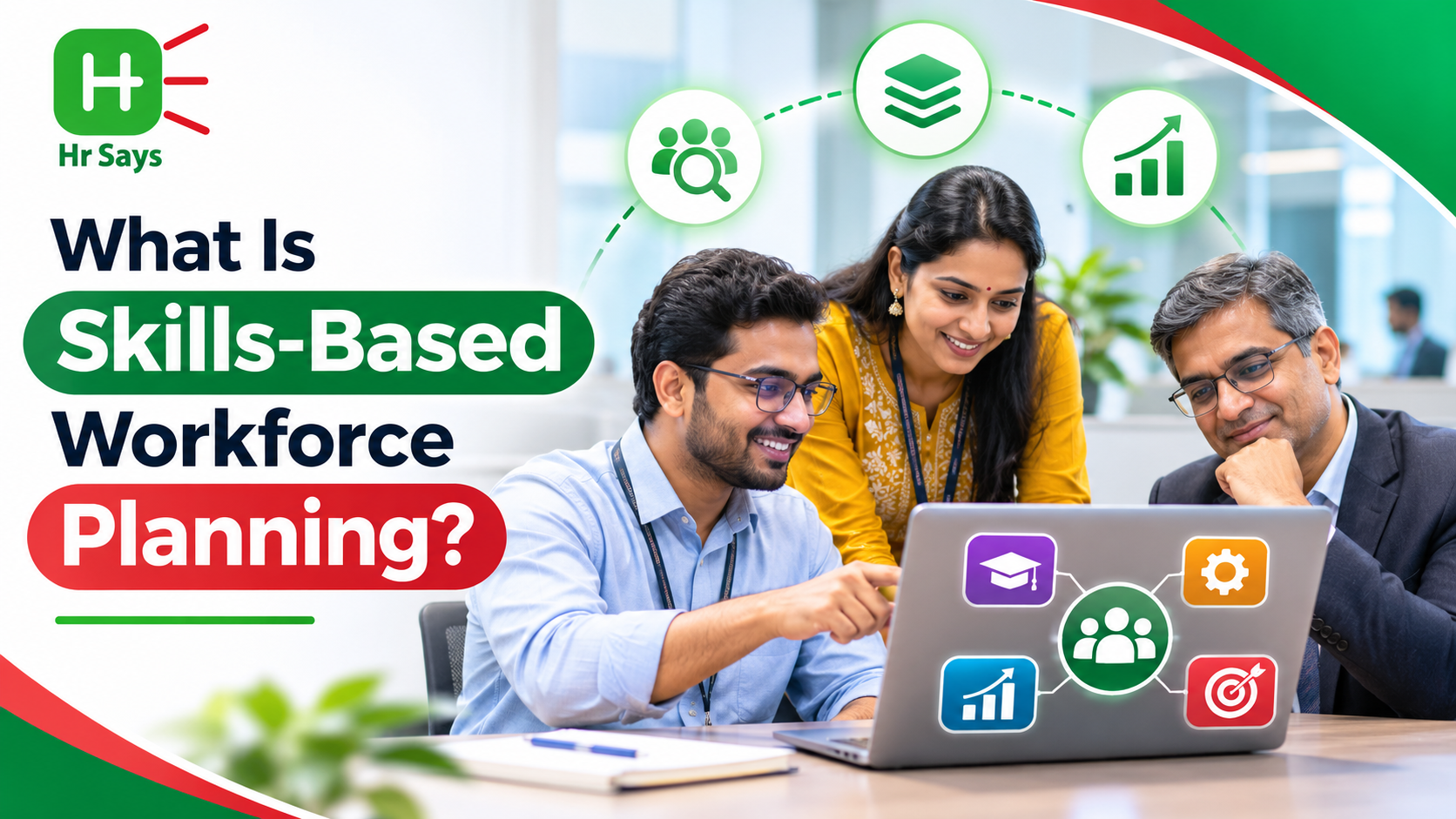
Workforce capacity planning is not simply a hiring checklist. It is a strategic discipline that connects business goals to people requirements. At its core, it answers three foundational questions: how much work needs to be done, who is available to do it, and what gaps exist between demand and current supply.
Capacity planning sits at the intersection of HR strategy, financial planning, and operational delivery. It requires HR leaders to work closely with finance teams, department heads, and senior leadership to translate business growth targets into headcount projections, skill requirements, and organizational design decisions.
There are broadly three models of workforce capacity planning that organizations can apply depending on the nature and speed of their expansion:
- Demand-led planning starts with business forecasts and works backward to determine workforce needs. This is most useful when expansion timelines and revenue projections are relatively clear.
- Supply-led planning audits the current workforce first, identifies existing capabilities, and builds an expansion strategy around internal talent before turning to external hiring.
- Scenario-based planning develops multiple workforce models based on different growth scenarios, allowing the organization to respond flexibly as the expansion unfolds.
For most Indian organizations experiencing rapid expansion, a combination of demand-led and scenario-based planning tends to deliver the best results.
Assessing Current Workforce Capacity Before Expansion
Before projecting future needs, organizations must have a clear and honest view of their existing workforce. This internal audit forms the foundation of all subsequent planning.
A thorough workforce audit should map out the total headcount across each function, the current skill inventory, the performance distribution, existing gaps in capability, and the organizational structure that supports current operations. It should also capture attrition trends, since expansion plans built on an unstable existing team are fundamentally compromised from the start.
In India, workforce audits often reveal significant skill mismatches, especially in mid-size companies that have grown quickly through informal hiring. Many organizations discover that their existing teams lack the management bandwidth, technical depth, or functional expertise required to operate at the next level of scale. Identifying these gaps early gives HR leaders the time to address them through upskilling, internal mobility, or targeted hiring before the expansion pressure peaks.
HRMS tools and people analytics platforms are increasingly used by Indian organizations to run these audits systematically. Platforms that integrate attendance, performance, compensation, and skill data provide a much richer picture than traditional spreadsheet-based approaches.
Forecasting Future Workforce Requirements
Once the current baseline is established, the next step is forecasting what the expanded business will need. This requires close collaboration between HR and business leadership.
Workforce forecasting during expansion should consider several dimensions. First, the volume of work that the new business activity will generate and how that translates into roles and headcount. Second, the new capabilities and skill sets that the expansion will demand, particularly if the organization is entering a new industry segment, geography, or technology area. Third, the timeline of the expansion and when specific roles will need to be filled. And fourth, the organizational design that will best support the expanded operation.
In India's context, geographic expansion deserves particular attention. Hiring talent in Tier 1 cities like Mumbai, Bengaluru, and Delhi differs significantly from hiring in Tier 2 cities like Pune, Jaipur, Indore, or Coimbatore. Talent availability, compensation expectations, attrition risk, and cultural work styles vary considerably across regions. A workforce plan that ignores these differences will face avoidable friction in execution.
HR leaders should also factor in India's growing contract and gig workforce. For certain roles, particularly in sales, field operations, logistics, and technology, engaging contractual talent during the initial phases of expansion can reduce risk and provide flexibility while the organization validates its new market or product strategy.
Building a Hiring Strategy Aligned to Expansion Goals
A workforce capacity plan is only as effective as the hiring strategy that operationalizes it. During expansion, organizations often face the challenge of hiring at speed without compromising on quality or cultural fit.
A strong expansion-phase hiring strategy typically includes the following components:
- Defining critical roles versus supporting roles, so that hiring resources are prioritized toward positions with the highest impact on expansion success.
- Building a robust talent pipeline in advance of need, through campus engagement, referral programs, talent communities, and proactive LinkedIn outreach.
- Establishing standardized hiring processes across locations to maintain consistency in evaluation and candidate experience.
- Identifying internal talent that can be promoted or redeployed into expansion roles, reducing both time-to-fill and onboarding risk.
- Partnering with staffing agencies or recruitment process outsourcing providers for high-volume hiring in new geographies, particularly in Tier 2 and Tier 3 markets.
Indian organizations expanding into new states must also navigate compliance requirements that vary by state, including Shops and Establishments Act registrations, professional tax obligations, and labor law applicability thresholds. HR teams must ensure that hiring in new locations does not create regulatory risk alongside operational growth.
Organisational Design and Structural Readiness
Workforce capacity planning is not only about headcount. It is equally about how people are organized to do work. During expansion, the existing organizational structure often needs to evolve to accommodate new scale, new functions, and new reporting relationships.
Common structural decisions during expansion include whether to build centralized or decentralized teams for new geographies, how to design the management layer that will oversee expanded operations, whether to create new functional units or embed expansion responsibilities within existing teams, and how to align the organizational design with the company's culture and operating model.
Poor organizational design is one of the most common reasons that well-funded expansions underperform. When roles are ambiguous, reporting lines are confused, or decision-making authority is unclear, even talented teams struggle to deliver results. HR leaders play a critical role in designing structures that are clear, scalable, and aligned to the strategic intent of the expansion.
In the Indian context, organizational design during expansion also involves navigating hierarchy and seniority norms that are deeply embedded in workplace culture. Building flat, agile team structures in organizations with traditional hierarchical cultures requires deliberate change management, not just a new org chart.
Managing Talent During the Expansion Period
Planning workforce capacity is one challenge. Sustaining workforce performance and engagement during the expansion period is another. Expansions are inherently disruptive. Existing employees often face increased workloads, uncertainty about their roles in the new structure, and anxiety about cultural change. Without deliberate people management, expansion can erode the engagement and retention of the very talent the organization depends on.
HR leaders must ensure that internal communication during expansion is consistent, transparent, and reassuring. Employees want to understand what the expansion means for them individually, what opportunities it creates, and how their role contributes to the broader growth story.
Learning and development investment must also scale alongside the expansion. New roles, new technologies, new markets, and new processes all create learning needs. Organizations that invest in upskilling their existing workforce during expansion build loyalty, reduce attrition, and develop internal talent pipelines that reduce future dependency on external hiring.
Employee wellbeing should not be treated as a secondary priority during high-growth phases. HR leaders in India are increasingly recognizing that burnout, particularly among middle management during expansion, is a significant risk to both employee health and organizational performance. Building realistic workloads, maintaining structured one-on-one interactions, and providing access to mental health support are all important during this period.
Monitoring and Adjusting the Workforce Plan
A workforce capacity plan is not a static document. It must be monitored continuously and adjusted as the expansion progresses and business conditions evolve.
Key workforce metrics to track during expansion include time-to-hire, offer acceptance rates, new hire retention at 30, 60, and 90 days, internal mobility rates, attrition by department and location, and cost per hire. These metrics provide early warning signals when the plan is not working as intended and enable HR leaders to course-correct before problems escalate.
Regular cadence reviews between HR, finance, and business leadership are essential during expansion. Monthly or quarterly reviews that compare actual hiring progress against plan, assess workforce performance in new locations, and re-forecast future headcount based on updated business projections keep the workforce strategy aligned to business reality.
Indian organizations that have adopted HR technology platforms with real-time dashboards are better placed to monitor workforce capacity dynamically, rather than relying on periodic manual reviews that can lag behind the speed of expansion.
Conclusion
Planning workforce capacity during business expansion is one of the most consequential responsibilities HR leaders carry. When done well, it enables organizations to grow with confidence, build resilient teams, and sustain performance through the complexity of expansion. When done poorly, it creates talent deficits, organizational confusion, and cultural fragmentation that can undermine even the most well-funded growth strategies.
For Indian businesses navigating expansion in an increasingly competitive and fast-moving environment, workforce capacity planning must be treated not as an administrative exercise but as a strategic capability. HR leaders who build this capability, and who collaborate closely with business leadership to translate growth ambitions into people plans, will consistently position their organizations for sustainable, scalable, and human-centered growth.
HRSays supports HR professionals and business leaders with practical insights, frameworks, and conversations that make workforce decisions smarter and workplaces stronger.
Frequently Asked Questions
Q1: What is workforce capacity planning in the context of business expansion?
Workforce capacity planning during business expansion is the strategic process of determining how many people an organization needs, what skills they should possess, and when they should be hired or redeployed to support growth objectives. It connects business forecasts to human resource requirements and helps organizations avoid both talent shortfalls and overstaffing.
Q2: How far in advance should organizations begin workforce planning before an expansion?
Ideally, workforce planning should begin at least three to six months before the expansion is set to launch. For large-scale expansions into new geographies or new business segments, planning may need to begin even earlier to allow sufficient time for talent pipeline development, compliance preparation, and organizational design decisions.
Q3: What are the most common workforce planning mistakes during business expansion?
The most common mistakes include underestimating time-to-hire, failing to audit internal talent before turning to external hiring, neglecting organizational design alongside headcount planning, and not building flexibility into the plan to accommodate changing business conditions. Many organizations also overlook the engagement and wellbeing needs of existing employees during expansion, which increases attrition risk at a critical time.
Q4: How should Indian organizations approach regional hiring differences during expansion?
Indian organizations should research talent availability, compensation benchmarks, attrition norms, and cultural work preferences in each new geography before finalizing hiring plans. Tier 2 and Tier 3 city expansions often require localized sourcing strategies, partnerships with regional staffing agencies, and adjusted compensation structures that reflect local market conditions rather than simply replicating metro-city models.
Q5: What role does HR technology play in workforce capacity planning?
HR technology platforms, including HRMS, people analytics tools, and applicant tracking systems, play a central role in modern workforce capacity planning. They enable organizations to run workforce audits systematically, forecast headcount requirements based on real-time data, track hiring progress against plan, and monitor workforce performance metrics across multiple locations simultaneously.
Resources
- Ministry of Labour and Employment, Government of India: Official source for Indian labor laws, employment statistics, and workforce policy updates relevant to expansion compliance.
- Society for Human Resource Management (SHRM): International HR body offering research, frameworks, and guidance on workforce planning, organizational design, and talent strategy.
- National Skill Development Corporation (NSDC): India-specific resource for skill gap data, sector-wise talent availability, and upskilling program information relevant to expansion hiring.
- NITI Aayog: Government of India's policy think tank with reports on labor market trends, regional economic data, and workforce development priorities across Indian states.
Interlinking Keywords
Workforce planning strategy, HR planning for business growth, hiring strategy for expansion, organizational design during growth, talent forecasting India, employee capacity management, HR strategy for scaling teams, workforce restructuring, internal talent mobility, HR technology for workforce planning
Last Reviewed By
Dr. Manthan Tripathi and Hr Says Advisory Panel on 14 November 2026.
Disclaimer
The information provided in this article is intended for general educational and informational purposes only. It does not constitute legal, financial, or professional HR advice. Organizations should consult qualified HR professionals, legal advisors, and compliance experts before making workforce or employment decisions specific to their business context, industry, or location. HRSays does not accept liability for any actions taken on the basis of the content published on this platform.