 Sunday, September 20, 2026
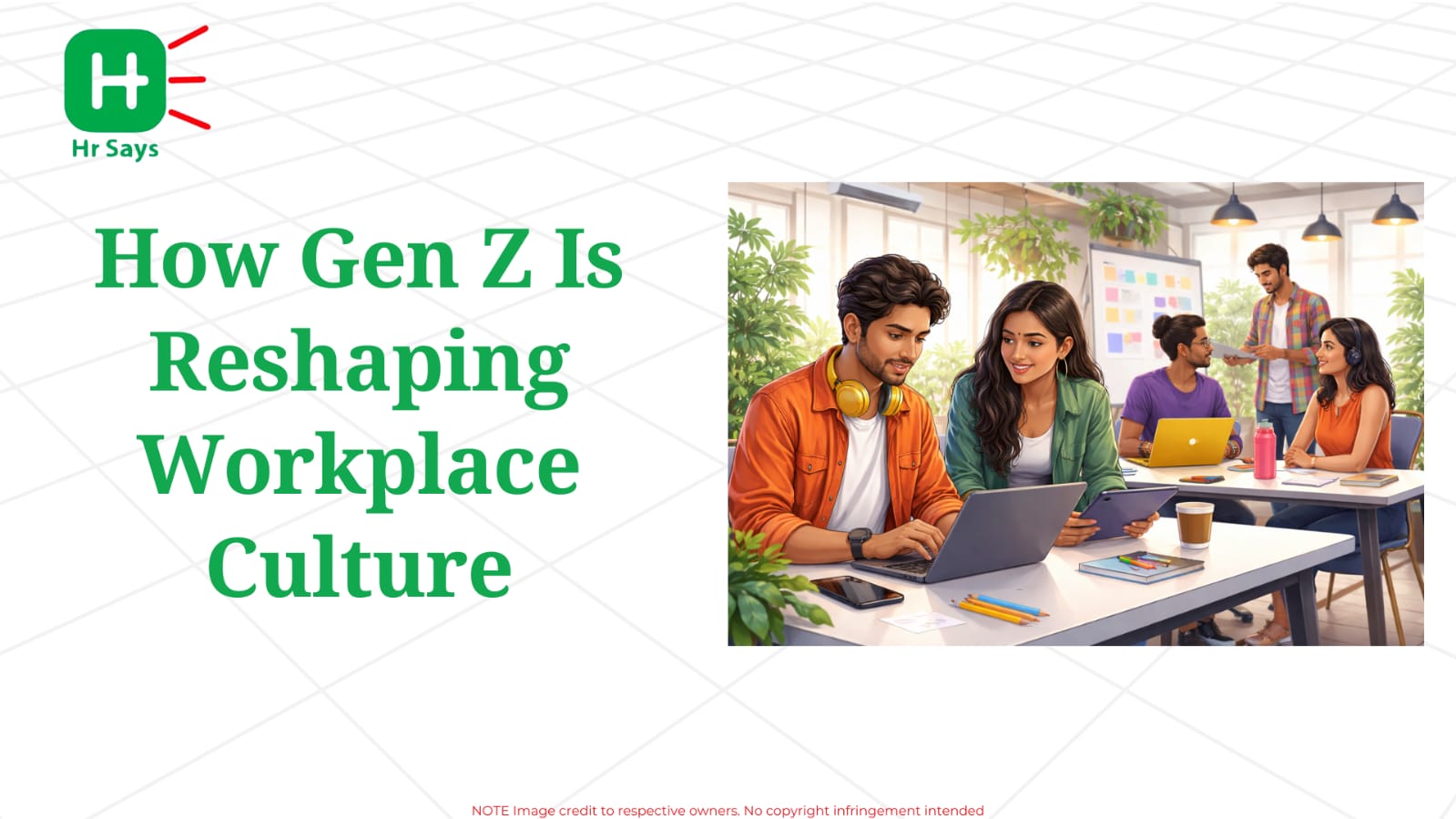
 Gen Z is reshaping workplace culture through demands for flexibility, transparency, mental health awareness, and purpose driven work. Their influence is encouraging organizations to rethink productivity, leadership, and employee wellbeing in modern professional environments.




The low profile rewriting of workplace culture. A new generation has come to occupy desks, work-from-home teams and startups with new expectations regarding work, leadership and balance. An increasing array of old rules is being challenged, and new values of flexibility, purpose, and virtual collaboration are in the mainstream of industries currently.
A Generation That Questions Traditional Work NormsWork structures over the years have been constructed on hierarchy, fixed schedules and strict authority lines. Those rules were hardly put into question. As Gen Z enters the working population, such assumptions are being reviewed.
Gen Z was raised with an interconnected digital device. There was never a lack of information, and discussions concerning social justice, mental health, and work-life balance were made priority since childhood. The resulting exposure changes their perception of conventional expectations at the workplace.
Juvenile professionals are no longer proud of spending many hours as a symbol of working hard. Rather they recognize efficiency and purposeful input. Work must be a part of life and not a drowning-pool.
Several noticeable shifts are being observed in organizations:
- Flexible work models are preferred
Hybrid work, remote collaboration, and flexible schedules are often requested by Gen Z employees. Productivity is believed to be improved when individuals are allowed to manage their time. - Purpose driven work is prioritized
Many Gen Z workers are drawn toward organizations that demonstrate ethical values, sustainability efforts, and social responsibility. - Open communication is expected
Hierarchical communication is gradually being replaced with transparency. Leaders are expected to be approachable and responsive. - Digital tools are naturally adopted
As digital natives, Gen Z professionals are comfortable with collaboration platforms, project management software, and asynchronous communication.
These preferences are not always demands. Often they are reflections of how this generation believes meaningful work should be structured.
Mental Health, Balance, And A New Definition Of ProductivityAnother major cultural shift can be seen in the growing conversation around mental health in the workplace. Topics that were previously avoided are now being openly discussed.
Gen Z employees have contributed significantly to this change. Emotional wellbeing is being considered a legitimate part of professional life rather than a private issue that must remain hidden.
Workplace burnout has become a recognized challenge, especially in high pressure industries. As a result, expectations around productivity are slowly evolving.
Several practices are becoming more common across organizations:
Work Life Balance As A StandardTime away from work is increasingly being respected. Paid time off, flexible scheduling, and mental health days are now viewed as productivity tools rather than luxuries.
Transparent LeadershipEmployees are more likely to engage with organizations where leadership communicates honestly about goals, challenges, and decisions. Transparency helps create trust.
Feedback Driven EnvironmentsGen Z workers often prefer regular feedback rather than yearly performance reviews. Continuous learning and improvement are seen as part of growth.
Inclusive Workplace CultureDiversity, equity, and inclusion are no longer peripheral discussions. Younger employees often expect workplaces to actively support inclusive policies and representation.
These changes are not limited to Gen Z alone. Once introduced, many of these practices are welcomed by employees from other generations as well.
What Organizations Are Learning From Gen ZOrganizations are gradually recognizing that workplace culture cannot remain static. The expectations of employees evolve with time.
The influence of Gen Z is encouraging companies to rethink leadership styles, communication practices, and employee wellbeing strategies. In many cases, productivity is being enhanced rather than reduced.
A workplace that allows flexibility, purpose, and respect tends to retain talent more effectively. As more Gen Z professionals enter the workforce, these cultural adjustments will likely become standard rather than experimental.