Friday, October 23, 2026
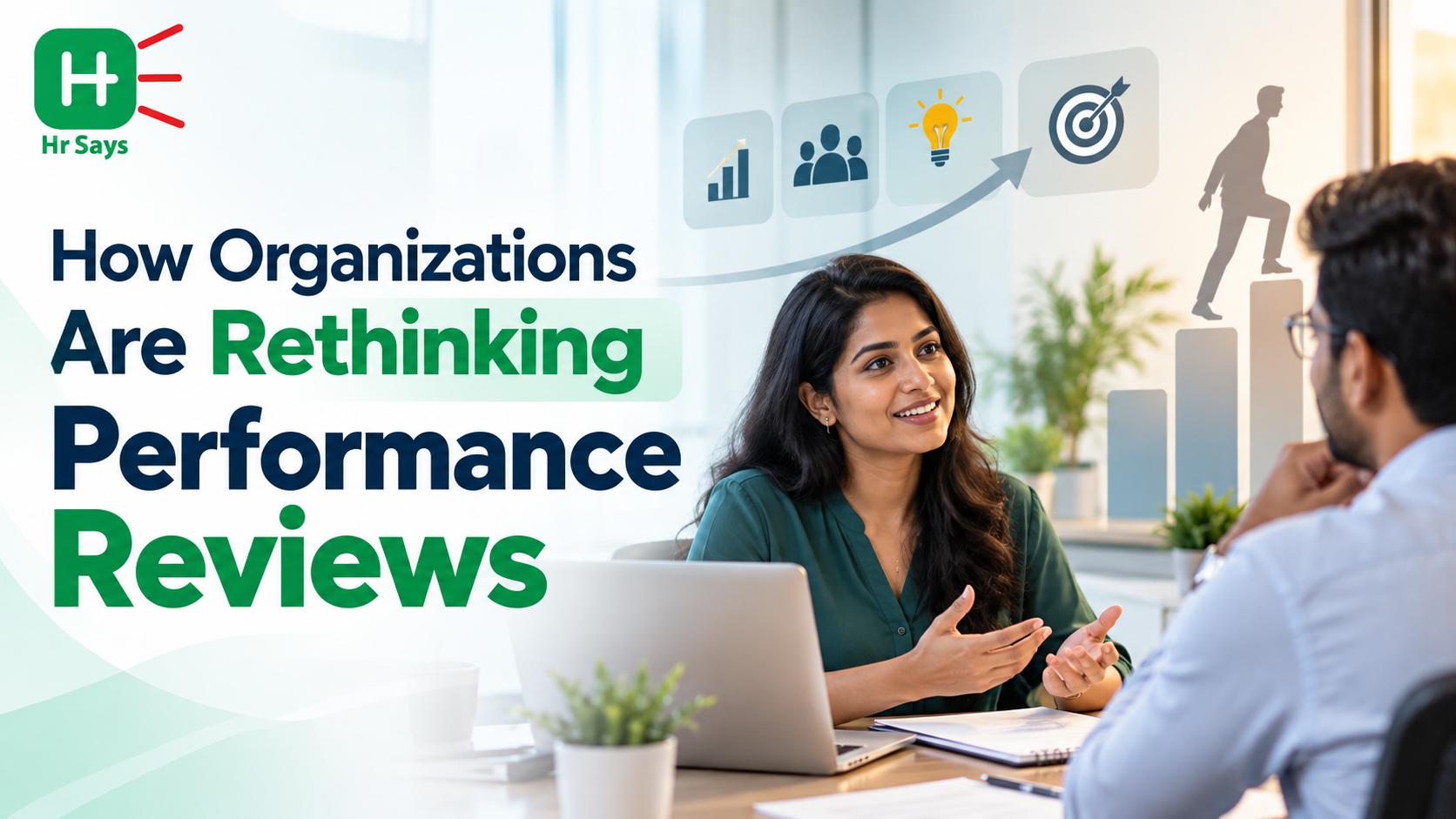
 Indian organizations are rethinking performance reviews, replacing annual appraisals with continuous feedback, OKRs, and 360-degree tools to build fairer, more growth-focused workplaces.





Introduction
For decades, the annual performance review has been a fixed ritual in corporate India. Employees wait nervously. Managers scramble to recall twelve months of work in a single sitting. HR teams process ratings through standardized templates, and the final outcome, a number on a form, is supposed to capture everything a person has contributed over an entire year.
It rarely does.
Performance management is no longer just about tracking goals and conducting annual reviews. A clear shift is underway: organizations are reevaluating how they measure success, develop talent, and connect individual growth with business results. This shift is not merely about introducing a new software tool or tweaking review timelines. It reflects a deeper rethinking of what performance actually means in a hybrid, multi-generational, and rapidly changing work environment.
For HR leaders, founders, and CHROs across India, understanding this evolution is no longer optional. It is a strategic necessity.
Why the Old Model Is Failing
The annual appraisal system was built for a different era, one defined by stable roles, predictable timelines, and workforces where output could be easily counted. Today's workplace looks nothing like that.
The annual format asks a manager to summarise twelve months of work in one conversation, often months after the work happened. Gallup found only 14 percent of employees strongly agree their reviews inspire them to improve, largely because feedback arrives too late and too generic to act on.
One of the most controversial legacies of the traditional system is the bell curve, also called forced distribution ranking. The bell curve model aims to standardise employee evaluations by assuming performance follows a normal distribution, but it often misrepresents actual contributions, particularly in high-performing teams, knowledge-based sectors, and dynamic environments. It neglects contextual, collaborative, and developmental dimensions of performance, reinforcing biases and undermining fairness and engagement.
One in four employees believe their performance reviews were negatively affected by their supervisor's personal biases. This perceived bias can create a domino effect for both the employee and the company, since performance reviews often inform bonuses and promotions, meaning a poor rating can seriously impact a person's career growth.
Indian organizations have not been immune to these pressures. Indian companies are increasingly moving away from the bell curve system of appraisal and looking at a more holistic appraisal process based on individual performance. TCS has done away with the bell curve model, following global tech giants like IBM and Accenture, which removed this model earlier.
The signal from the market is clear: the old approach is losing credibility, and leaders who hold on to it risk losing their best people.
What Is Replacing the Annual Appraisal
Continuous Feedback as the New StandardWaiting six or twelve months to provide feedback is a recipe for disengagement and missed opportunities. Continuous feedback and regular check-ins are essential for addressing issues in real time, celebrating small wins, and keeping employees on track.
Rather than a once-a-year conversation, leading organizations are shifting to quarterly or even monthly touchpoints between managers and employees. These check-ins are shorter, more focused, and grounded in what is actually happening in the employee's current role. The result is a feedback culture that feels natural rather than threatening.
In India, where 75 percent of employees prefer ongoing feedback over annual reviews, performance management tools are essential for fostering transparency, accountability, and growth in a diverse and youthful workforce.
The Rise of OKRs in Indian OrganizationsObjectives and Key Results, commonly known as OKRs, have emerged as one of the most widely adopted frameworks for rethinking how performance is defined and tracked.
The fix is not another appraisal form. It is a shift from annual ratings done on Excel to OKR-powered, continuously measured performance management cycles that live inside the HRMS. Goal misalignment is costing the average 500-employee Indian enterprise somewhere between 1.2 crore and 3.5 crore rupees every year in duplicated effort, missed product releases, mispriced variable pay, and the attrition that follows when high performers realize their quarterly work never rolled up to anything the board cared about.
OKRs work because they connect individual effort to organizational priorities in a visible and measurable way. When employees can see how their daily work ties to a business objective, performance conversations shift from judgment to collaboration.
360-Degree Feedback: A More Complete PicturePerformance reviews will be more of a two-way dialogue. There will be increased weight to employee input. A combination of self-assessments, peer feedback, and manager evaluations will enable HR teams to create a more complete picture of each employee's performance.
360-degree feedback gathers perspectives from managers, peers, subordinates, and the employee. This multi-source approach reduces the distortions that come with single-rater evaluations. It also helps surface blind spots that a manager alone might miss, making the entire conversation richer and more actionable.
For Indian companies dealing with hierarchical cultures, introducing upward feedback requires careful change management. But the organizations that do it well report higher trust levels and stronger manager accountability.
The Role of Technology and AI in Modern Reviews
Modern performance appraisal systems are designed to be continuous, transparent, and closely aligned with business goals. Organizations implementing continuous performance feedback see measurable improvements in engagement, retention, and productivity compared to those relying solely on traditional approaches.
HR technology platforms are making this possible at scale. Indian platforms such as Darwinbox, Keka, PeopleStrong, and HROne have built features that support OKR tracking, continuous check-ins, configurable review cycles, and 360-degree feedback within a single HRMS ecosystem.
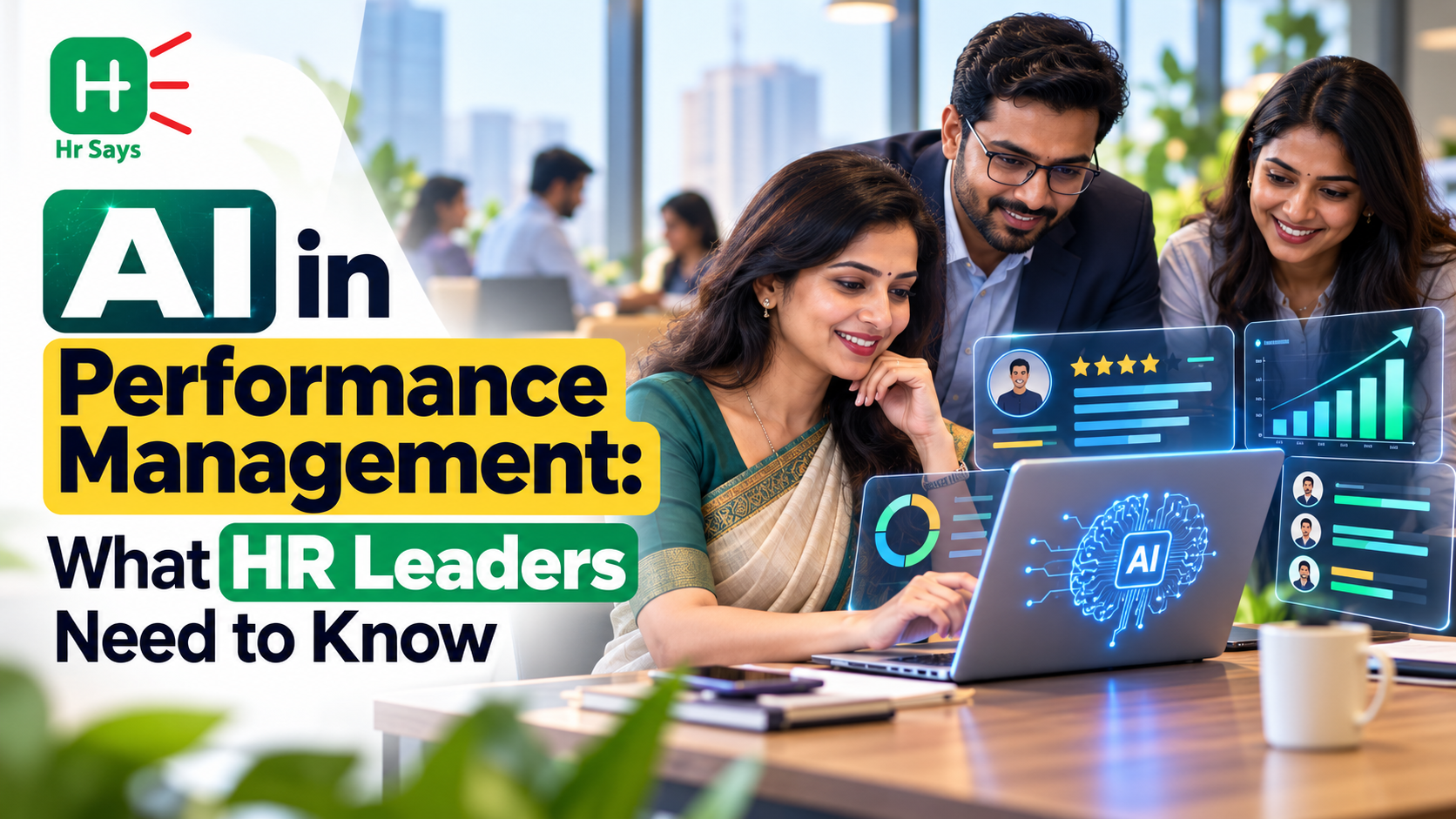
AI is beginning to play a specific role within these systems as well. AI can reduce recency bias and inconsistency by drawing on data logged across the year rather than a manager's memory. The risk is treating the output as a verdict rather than an input. The assessment conversation still needs to be human.
This is an important caution for HR leaders. Technology can surface patterns, reduce administrative burden, and generate structured feedback suggestions. But it cannot replace a thoughtful manager who understands a person's growth, context, and potential. The best systems use AI to inform the conversation, not end it.
Outcome-based performance shifts focus from hours worked to results delivered. It sets clear goals and accountability, enabling employees to work flexibly while driving innovation and ownership. This outcome-first mindset is particularly relevant for India's large hybrid and remote workforce, where visibility into daily activity is limited but the quality of results remains very much measurable.
India-Specific Challenges and Considerations
India's performance management conversation has its own distinct texture. A few factors make the Indian context unique.
The workforce is predominantly young. India's workforce, with over 65 percent under 35, is young, tech-savvy, and increasingly distributed across hybrid and remote models. This generation expects regular recognition, rapid feedback, and a clear sense of how their work matters. Annual reviews do not meet those expectations.
Tier-2 and Tier-3 cities are producing a growing share of India's talent. Organizations that recognize jobs in Tier-2 cities as leadership-ready markets, not overflow zones, are building more resilient, cost-efficient, and future-ready workforce structures. Performance systems need to work equitably across geographies and not inadvertently favor employees who are more visible in metro offices.
India also operates in a culturally hierarchical environment where giving feedback upward, or even laterally among peers, can feel uncomfortable. HR teams introducing 360-degree feedback must invest in training managers and employees alike to give and receive feedback in a way that builds rather than breaks relationships.
Finally, compliance considerations matter. As performance data is increasingly stored digitally, organizations must stay aligned with India's Digital Personal Data Protection Act (DPDP) and ensure employee data is handled with appropriate consent and security.
What HR Leaders Can Do Right Now
The shift away from annual reviews does not have to happen all at once. The organizations that manage it well typically follow a phased approach.
- Start by training managers on how to have meaningful, development-focused conversations. This is the foundation that every other change depends on.
- Introduce a structured quarterly check-in process before changing any formal appraisal cycle. This builds the habit of ongoing dialogue.
- Pilot OKR-based goal-setting in one business unit before rolling it out company-wide. Use the learnings to refine the approach.
- Invest in a performance management platform that integrates with existing HR and payroll systems so that review outcomes connect naturally to compensation and career decisions.
- Build a feedback culture through recognition programs, manager capability building, and visible leadership behavior. Systems matter, but culture drives adoption.
The most effective HR professionals in 2026 will be those who act as architects of adaptability, trust, and innovation. Rethinking performance reviews is one of the clearest expressions of that role.
Conclusion
The performance review is not disappearing. It is evolving into something far more useful. As Indian organizations navigate hybrid work, multi-generational teams, and accelerating business change, the old model of a once-a-year rating conversation is increasingly out of step with the reality of how work actually gets done.
The organizations pulling ahead are those that treat performance as a continuous conversation, not a calendar event. They use OKRs to create alignment, 360-degree feedback to build fairness, and technology to reduce bias and administrative drag. Most importantly, they invest in the human skills that make feedback meaningful: listening, honesty, and genuine care for an employee's growth.
For HR leaders across India, this is the moment to lead that change. The tools exist. The case is clear. And the workforce is ready.
Frequently Asked Questions
Q1: Why are Indian companies moving away from annual performance reviews?
Annual reviews are increasingly seen as too infrequent, too subjective, and too disconnected from the day-to-day realities of modern work. Feedback that arrives once a year is often recalled poorly by managers and acted on too late by employees. Indian organizations are shifting to continuous feedback models that offer more timely, accurate, and development-focused conversations.
Q2: What is the bell curve appraisal system and why is it losing popularity?
The bell curve, or forced distribution model, requires managers to rank a fixed percentage of employees as top performers, average performers, and low performers, regardless of actual team output. Critics argue it distorts real contributions, rewards political visibility over merit, and undermines collaboration. Major Indian IT companies including TCS and Infosys have formally discontinued it in favor of individual-based evaluation.
Q3: How do OKRs improve the performance review process?
OKRs, or Objectives and Key Results, connect each employee's goals directly to organizational priorities. When performance conversations are anchored in clearly defined, measurable outcomes, they become more focused and less subjective. OKRs also create transparency across teams and help employees understand how their work contributes to the larger business.
Q4: What role does AI play in modern performance management?
AI in performance management is primarily used to reduce recency bias, generate structured feedback summaries, and surface performance patterns from data logged throughout the year. It helps managers write more consistent and data-informed reviews. However, AI is most effective as an input to the conversation, not a replacement for human judgment and managerial empathy.
Q5: How can HR teams introduce continuous feedback without disrupting existing processes?
A phased approach works best. HR teams should start by training managers on effective feedback conversations, then introduce structured quarterly check-ins before changing any formal appraisal cycle. Piloting OKR-based goal-setting in one department before a company-wide rollout allows for learning and adjustment. Technology platforms can then be layered in to automate reminders and track progress systematically.
Resources
- SHRM India (shrm.org/in): Research and publications on evolving performance management practices and employee feedback preferences in India
- NITI Aayog (niti.gov.in): Reports on India's workforce development, gig economy, and productivity frameworks relevant to HR policy
- India Skills Report (wheelbox.in/india-skills-report): Annual data on skill development trends and performance tracking priorities for Indian organizations
- Society for Human Resource Management (shrm.org): Global best practices on continuous feedback, OKR implementation, and performance appraisal reform
Interlinking Keywords:
performance appraisal reform, continuous feedback culture, OKR goal setting, 360-degree feedback India, employee engagement HR, HR technology platforms India, hybrid workforce management
Last Reviewed By:
Dr. Manthan Tripathi and Hr Says Advisory Panel on 7 September, 2026
Disclaimer:
The information provided in this article is intended for general educational and informational purposes for HR professionals, business leaders, and workplace decision-makers. It does not constitute legal, compliance, or professional HR consulting advice. Organizations should evaluate their specific workforce context, applicable Indian labor laws, and the Digital Personal Data Protection Act (DPDP) before implementing changes to their performance management systems. Readers are encouraged to consult qualified HR practitioners or legal advisors for organization-specific guidance.