 Saturday, October 24, 2026
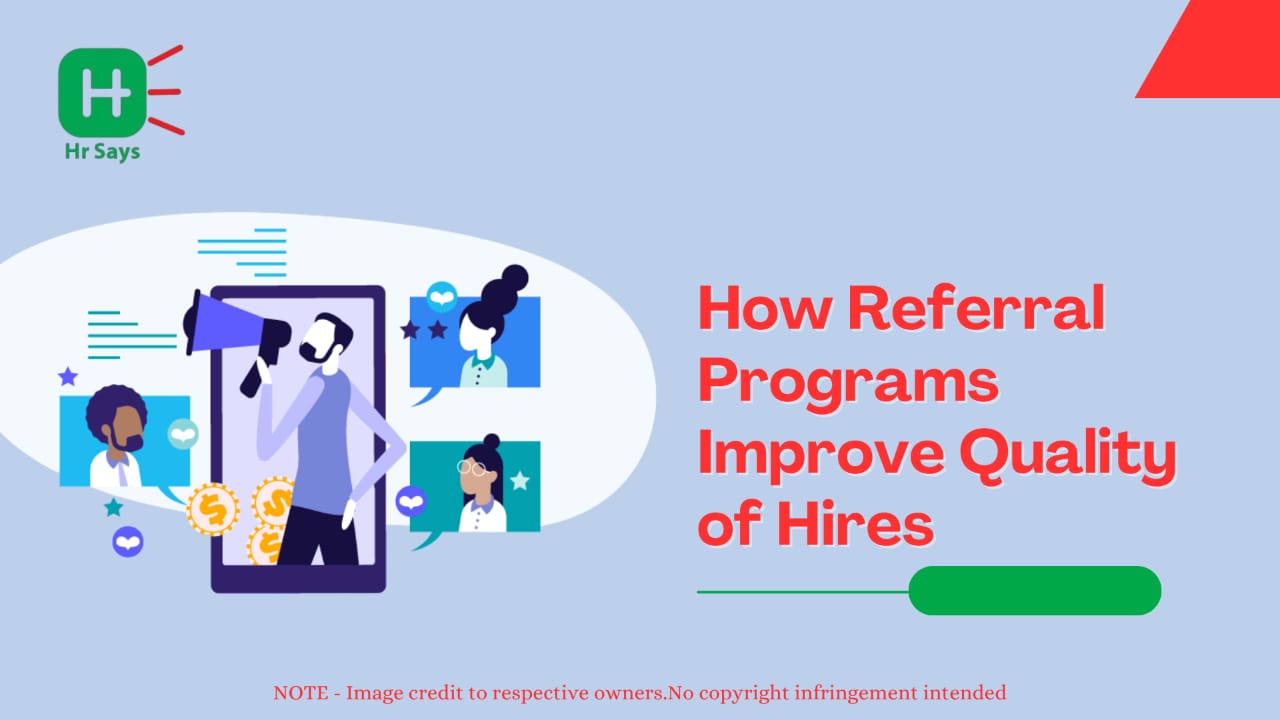
 Referral programs improve quality of hires by leveraging employee networks to find culturally aligned, high-performing candidates. They reduce hiring costs, increase retention, and strengthen employer branding through data-driven, tech-enabled HR practices.




What would you have done in case the greatest tactic in hiring was still in your own company? Employee referrals are the most effective source of recruitment, that many companies have initiated a lot of budgets to recruitment planning but yet have not exhausted their potential. Welch, mass referred programs, when designed strategically, do not just decrease costs, they also create high quality hires who adjust perfectly into a company culture.
Understanding Referral Programs
Referral programs incentivize employees to make recommendations on possible applicants to open positions. It is a very basic concept, yet one that changes how businesses approach talent. Employees are brand ambassadors, who connect venerable professionals in their network with the offerings in the job market.
In cases where referral systems have been designed effectively, they serve as an instrument connecting inside culture and outside talent. They make sure that they attract individuals with similar values, communication styles and work ethics inside the company.
Why Quality Improves Through Referrals
Referred candidates often outperform those sourced through traditional job portals. Here’s why:
● Cultural Alignment: Employees recommend individuals they trust to fit within the organization’s work environment.
● Faster Screening: Since referrals come with an informal endorsement, recruiters spend less time verifying basic competencies.
● Higher Retention: Candidates who enter through referrals tend to stay longer, feeling connected from day one.
● Better Motivation: Knowing someone within the company gives them a sense of belonging early on.
The outcome? A workforce that’s skilled, engaged, and aligned with company values.
Referral Programs and Employee Engagement
Referral programs go beyond hiring — they strengthen the internal bond between employees and the organization. When people contribute to building their teams, they feel valued and trusted. This naturally boosts engagement and collaboration.
Many HR leaders use referral programs as part of larger employee engagement strategies for Indian companies, blending them with reward systems, recognition programs, and cultural initiatives. It turns the recruitment process into a shared success story rather than an HR-driven task.
Building a Strong Referral System
A referral program succeeds when it’s transparent, rewarding, and easy to use. Companies can:
● Offer tiered rewards for successful hires.
● Use internal communication platforms for quick referrals.
● Recognize top referrers publicly.
● Track performance data to improve over time.
Integrating HR analytics and data-driven decision making helps identify which departments bring the best referrals, how quickly positions get filled, and which hires perform best long-term.
The Role of Technology in Modern Referrals
With the rise of HR tech trends in India 2025, referral systems are now more automated and efficient. Tools using AI can match referred profiles with job requirements, notify employees of relevant openings, and even track incentives in real-time.
Companies adopting HR automation benefits for companies have reported quicker hiring cycles and improved candidate experience. Technology ensures that referrals aren’t lost in emails or spreadsheets but systematically managed from recommendation to onboarding.
How Referral Programs Strengthen Employer Branding
Every successful referral hire adds credibility to an organization’s reputation. It signals that employees are proud to represent the company and trust it enough to bring in their peers. This naturally enhances the employer brand.
In fact, referral programs can indirectly support career growth for HR professionals by showcasing their ability to build people-centric hiring models. It positions HR as a strategic partner driving organizational success rather than just a hiring department.
Conclusion
Referral programs are not just about filling vacancies; they’re about creating an ecosystem of trust, belonging, and shared growth. As recruitment continues to evolve with automation and analytics, referrals will remain the most human — and most effective — way to hire top talent.