 Saturday, October 24, 2026
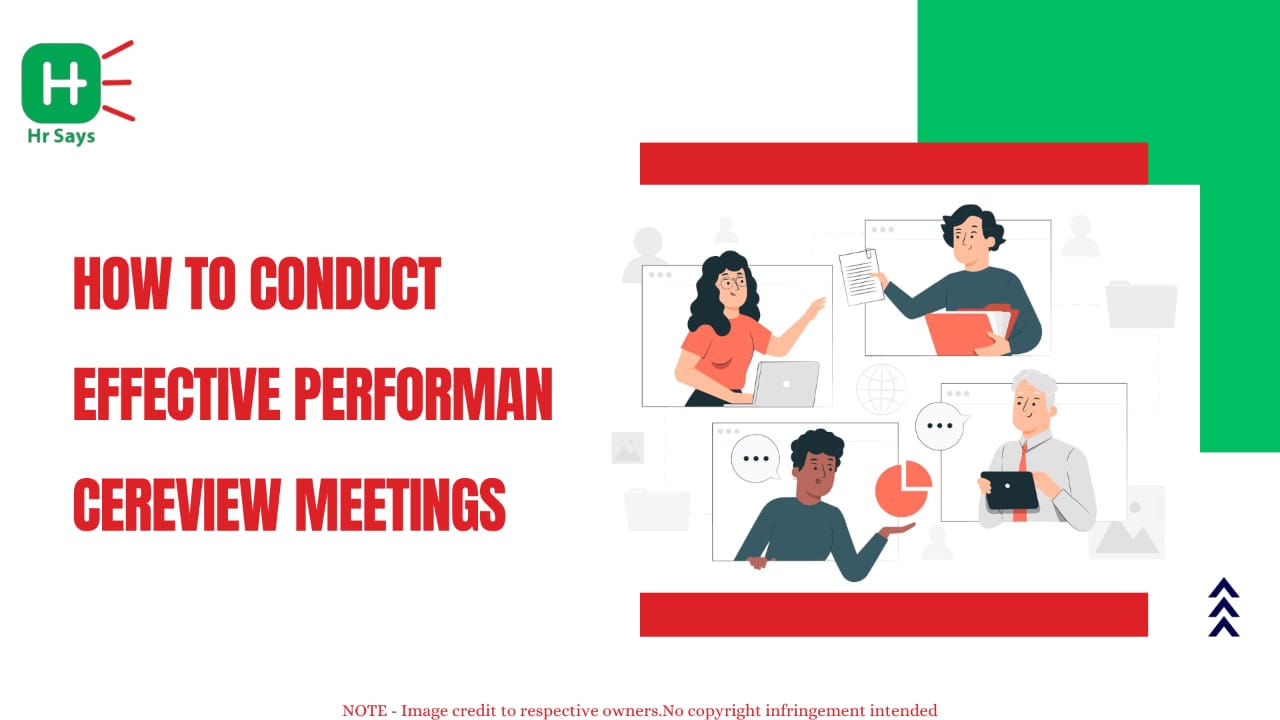
 A clear, structured review meeting builds trust and direction. This blog highlights preparation,
structure, open dialogue, and follow up actions that shape effective and fair performance
reviews.
A clear, structured review meeting builds trust and direction. This blog highlights preparation,
structure, open dialogue, and follow up actions that shape effective and fair performance
reviews.




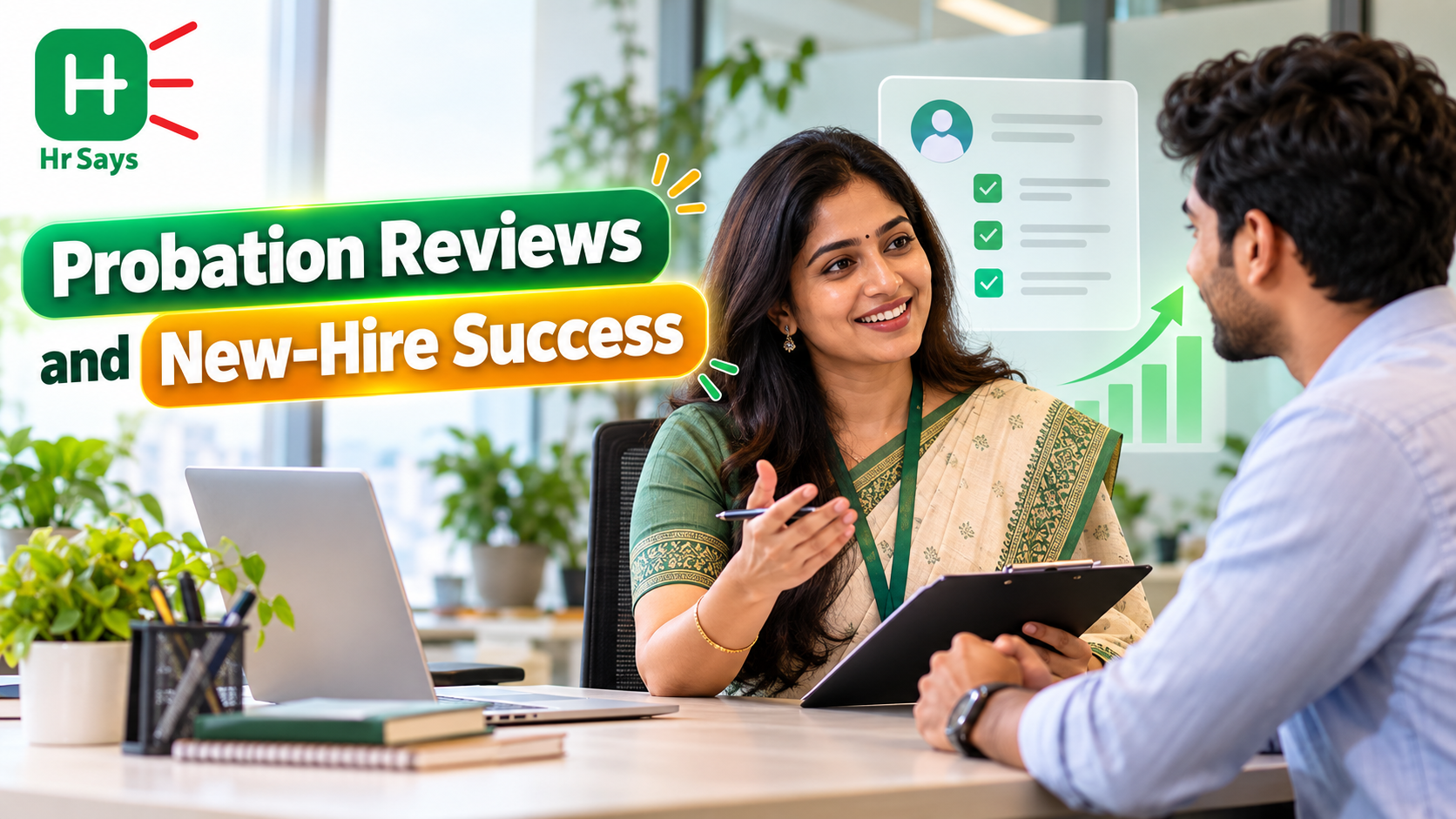
Have you ever had the experience that the performance review meetings usually make people perplexed or in listening to them? That can be changed by a well-run review. It is able to introduce sanity, purpose, and fairness. Such discussions make the workplace a better place to work when designed with the correct intent and will enhance long term development both among workers and the managers.
Understanding Performance Review Meetings
The performance review meetings should not be intimidating. They are intended not to induce fear. These reviews will be planned, structured and presented in a manner that is easy to follow and be supportive to the readers. Incorporating these reviews into the modern workplace is relevant because of such trending terms as employee feedback cycle, performance goals, and continuous improvement.
Why Reviews Still Matter
Regular reviews are often skipped, yet they shape skill development and long term engagement. They allow managers to identify strengths, address weaknesses, and align expectations. When reviews are handled with clarity, employees feel more grounded.
Preparing for an Effective Review
Before stepping into the meeting, a manager must prepare. Here readers explore how preparation sets the tone for a fair and focused conversation. A thoughtful setup builds trust and supports stronger performance metrics.
Plan With Purpose
Preparation becomes easier when guided by simple steps:
● Review previous performance goals
● Check progress on skill development
● Identify achievements backed by evidence
● Note areas that need support
● Prepare suggestions for continuous improvement
These points keep the conversation clear and anchored.
Create a Safe Atmosphere
A safe and calm setting encourages employees to speak freely. Managers usually choose a quiet spot. Distractions are avoided so the review feels personal and respectful.
Structuring the Performance Review Meeting
A structured approach helps both sides stay on track. This section guides readers through a meeting structure that feels natural instead of mechanical. It brings in trending ideas like transparent communication and growth discussions.
Start With Appreciation
Beginning with appreciation sets a softer tone. Small wins are acknowledged. It helps employees settle into the conversation without fear or defensiveness.
Discuss Performance Goals
The discussion then moves into the main part. Goals are reviewed one by one. Employees are given space to share their challenges. A mutual understanding of expectations is built.
Address Improvement Areas
Talking about weaknesses is often the hardest part. Keeping it neutral helps. The focus stays on behaviour and actions, not the person. Practical steps for improvement are highlighted.
Encourage Open Dialogue
An open dialogue promotes trust. Employees are asked about their view of the feedback. Their concerns are heard. This creates a balanced and honest environment.
Closing the Meeting
The end of the review should feel clear. Here readers understand how final steps ensure follow up and accountability. Closing lines should reinforce growth without overpromising results.
Set Follow Up Actions
Specific action points are agreed upon. Timelines are fixed. Skill development activities are suggested. These steps keep progress measurable.
Document Key Points
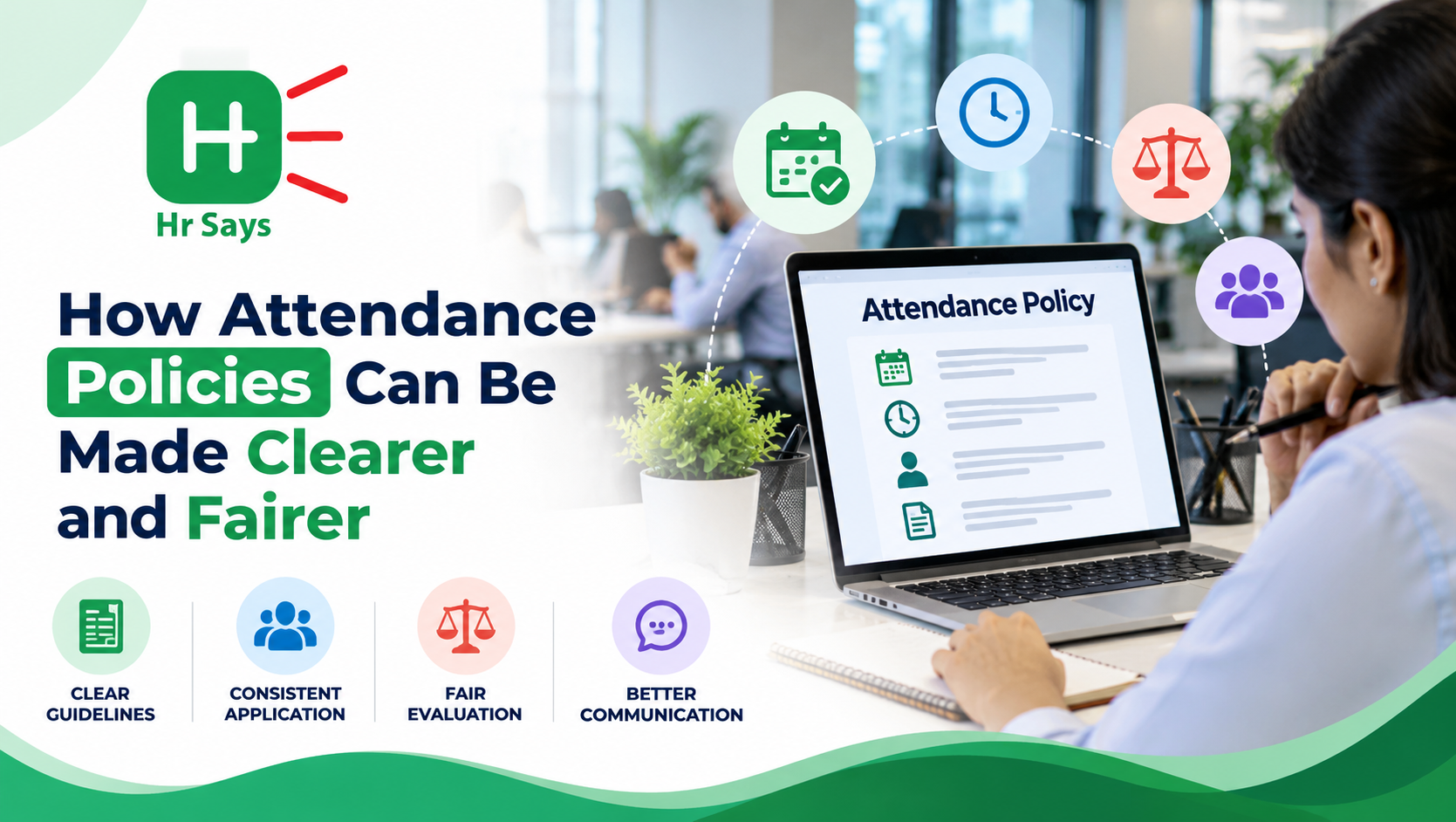
A written summary is shared. It helps both sides stay aligned. Documentation ensures transparency and supports the employee feedback cycle.
Conclusion
Performance review meetings feel meaningful when they are planned with intention. They work best when they flow as a calm conversation rather than a strict evaluation. When handled neutrally, they guide employees toward stronger performance goals while keeping the relationship respectful and open.