 Saturday, October 24, 2026
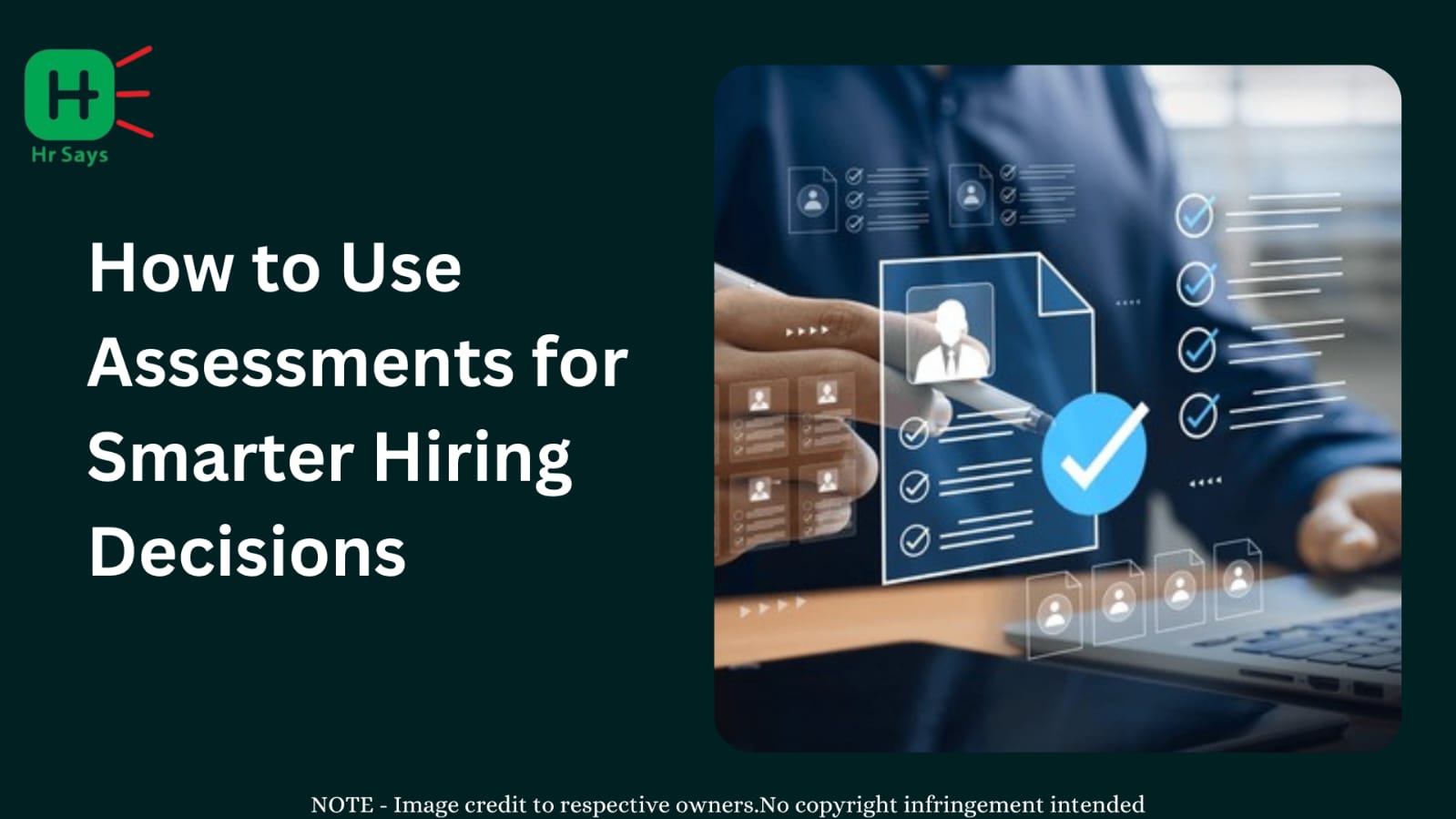
 A brief look at how hiring assessments support better decisions by verifying skills, predicting
performance, and reducing bias. This summary shows why structured assessment tools have
become essential in modern recruitment.
A brief look at how hiring assessments support better decisions by verifying skills, predicting
performance, and reducing bias. This summary shows why structured assessment tools have
become essential in modern recruitment.




Have you ever been wondering why a certain hiring may seem to be the best fit and others fail? Hiring checks are being applied to inhibit guesswork, ameliorate the selection of applicants and facilitate long term performance. This section aids in creating awareness of the fact that assessments are used to create smarter hiring.
Evaluations have proved to be a workable mechanism among HR management teams in an attempt to strike a balance between culture fit, skill validation and role suitability. This is not meant to substitute interviews but to have a better picture in place before an offer.
Types of Assessments Used in Hiring
Before going into the details, this is a glimpse of what can be known during hiring tests. All the tools serve a specific role, and put together they create a sound hiring intuition.
Skill Based Assessments
These tests measure job specific abilities. They help validate real capabilities instead of assumptions.
They are often used for roles in marketing, design, HR, finance, and tech. Hiring teams rely on them for clarity when resumes feel similar.
Cognitive Ability Assessments
These measure problem solving skills, reasoning power, learning speed, and decision making. They predict how well a candidate adapts to new situations.
Cognitive tests are often considered strong indicators of job performance.
Personality Assessments
These are used to understand work style, communication approach, and behavioral tendencies. They support decisions for leadership roles, team based jobs, and customer facing positions.
Personality insights are helpful during onboarding as well.
Situational Judgment Assessments
These tests show how candidates react to real workplace conditions. They highlight practical thinking, ethics, and conflict management.
They are used when soft skills have high value.
How Assessments Improve Hiring Accuracy
This part explains why HR teams trust assessments. The aim is to show how assessments reduce bias and refine selection.
Assessments bring structure to the hiring cycle. Instead of relying only on instinct, objective hiring tools guide decisions. When used well, they help companies hire confidently. Key advantages include:
● A clearer understanding of role readiness
● Verification of both technical skills and soft skills
● Reduced hiring bias in interviews
● Stronger prediction of job performance
● Better alignment of candidate strengths with team needs
Assessments also help create a consistent hiring process. Every candidate goes through the same steps, which builds transparency and trust.
Tips to Use Assessments the Right Way
Readers can prepare to apply assessments more effectively by following these simple practices.
Pick Tools Based on Job Needs
Not every role needs every test. HR teams should choose only what supports decision making. For creative roles, skill and personality tests matter more.
For analytical roles, cognitive and skill tests work well.
Combine Assessment Scores With Human Judgment
Assessments guide hiring. They do not replace interviews. A balanced approach keeps the process fair and realistic.
Keep Candidates Informed
Explain why assessments are used. Candidates should know what to expect and how results influence decisions.
Review and Update Assessment Methods
Hiring needs change. Assessment tools should be revised from time to time to keep them relevant.
This keeps the process aligned with evolving job demands.
Conclusion
Assessments offer clarity when choices are tough. They create structure, reduce uncertainty, and highlight strengths that may stay hidden in interviews. When paired with thoughtful judgment, they help companies make smarter hiring decisions that support long term growth.