 Saturday, October 24, 2026
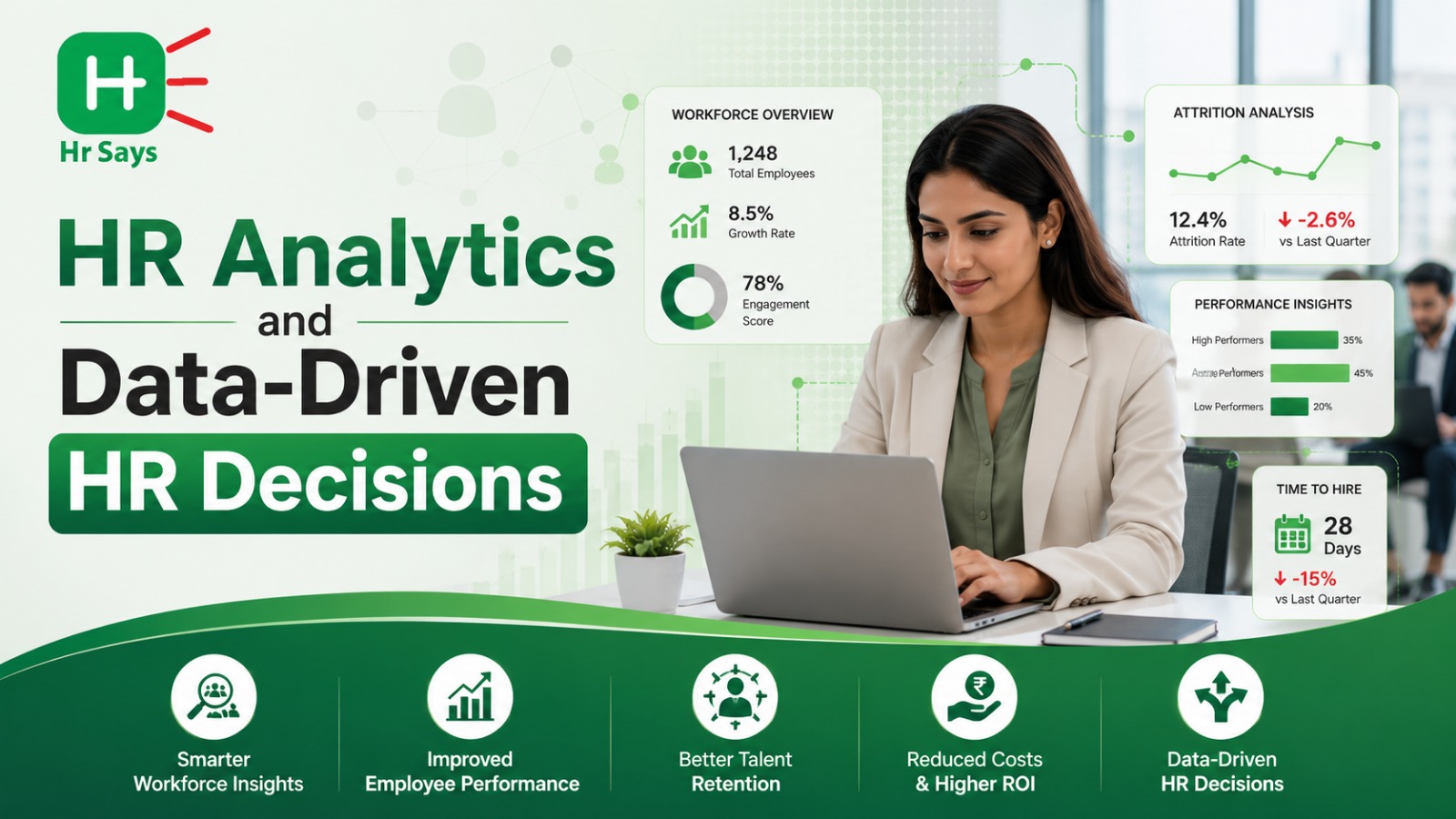
 Modern hr analytics systems are helping organizations use workforce insights, predictive models, and employee behavior patterns to improve business decisions and workplace stability. By combining hr data analytics, workforce planning, and employee-centered strategies, companies are building smarter and more adaptive HR systems for the future.




Organizations no longer rely only on intuition to make workforce decisions. Today, hr analytics is changing how companies hire, retain, engage, and manage employees. Businesses are using hr data to understand patterns that were previously overlooked, helping HR teams make more accurate and practical decisions. As workplaces become more digital and globally connected, the role of human resources analytics has expanded beyond reporting and administration. It is now a strategic system that helps organizations predict trends, improve employee experiences, and adapt to changing workforce expectations.
Why HR Decisions Are Becoming More Data-Driven
For years, many HR decisions were based on assumptions, experience, or short-term observations. While experience still matters, modern organizations are realizing that people-related decisions become more reliable when supported by measurable insights. This shift is one of the main reasons why analytics in hr has become increasingly important across industries.
Workplaces today are more complex than they were a decade ago. Companies operate with hybrid teams, remote employees, contract workers, and globally distributed departments. In such environments, understanding employee behavior through direct observation alone becomes difficult. This is where hr and analytics work together to provide clarity.
For example, an organization may notice rising resignations among mid-level employees. Traditional HR methods might assume salary dissatisfaction is the primary reason. However, deeper analysis of employee feedback, workload patterns, promotion timelines, and engagement data may reveal that career stagnation or poor management communication is the real issue. Without data, companies often address symptoms instead of underlying causes.
Another important reason behind the growth of analytics and hr is workforce expectations. Employees now expect personalized experiences, transparent growth opportunities, and flexible work structures. Organizations that fail to understand these evolving needs often struggle with retention and productivity. HR analytics allows companies to identify these changes early rather than reacting after problems become severe.
Understanding HR Analytics Beyond Basic Reporting
Many people confuse hr analytics with simple reporting dashboards or spreadsheets. In reality, the field goes much deeper. Basic reporting explains what happened, while analytics attempts to explain why it happened and what might happen next.
This distinction changes how HR teams operate. Instead of only tracking attendance or employee turnover, organizations now analyze behavior patterns, hiring effectiveness, training outcomes, and workforce productivity trends. This makes data analytics human resources far more strategic than traditional HR administration.
A useful way to understand this is by looking at hiring. Earlier, recruiters focused heavily on resumes, qualifications, and interviews. Today, companies analyze historical hiring data to identify which candidate profiles perform better over time. They examine onboarding success rates, retention duration, and productivity levels. These insights help organizations improve hiring quality rather than simply filling positions faster.
The same principle applies to learning and development. Many organizations invest heavily in employee training but struggle to measure actual outcomes. Through hr data analytics, companies can compare training participation with performance improvements, internal promotions, and employee engagement levels. This helps determine whether development programs genuinely create value.
The rise of remote work has also increased the importance of analytics. Managers can no longer rely on physical visibility to understand productivity or employee satisfaction. Instead, organizations analyze communication patterns, collaboration trends, and engagement indicators to understand workforce health more effectively.
How HR Data Changes Real Workplace Decisions
The practical impact of hr data becomes more visible when organizations apply it to real workplace scenarios. One of the strongest examples is employee retention.
High turnover affects productivity, hiring costs, and organizational stability. Earlier, companies often responded to resignations after they occurred. Modern hr predictive analytics allows organizations to identify early warning signs before employees leave.
Certain patterns often emerge before resignation, including:
- Changes in engagement behavior can signal deeper workplace dissatisfaction
Employees who suddenly participate less in meetings, avoid internal communication, or reduce collaboration may not simply be disengaged temporarily. In many cases, these behavioral shifts reflect broader concerns related to growth opportunities, management support, or work-life balance. HR analytics helps organizations identify these subtle patterns before they become long-term retention problems. - Promotion delays and uneven workload distribution affect morale over time
Workforce data often reveals that employees who remain in the same role for extended periods without recognition are more likely to seek external opportunities. At the same time, analytics may uncover workload imbalance across departments, showing how burnout develops gradually rather than appearing suddenly. - Employee feedback trends often reveal operational weaknesses
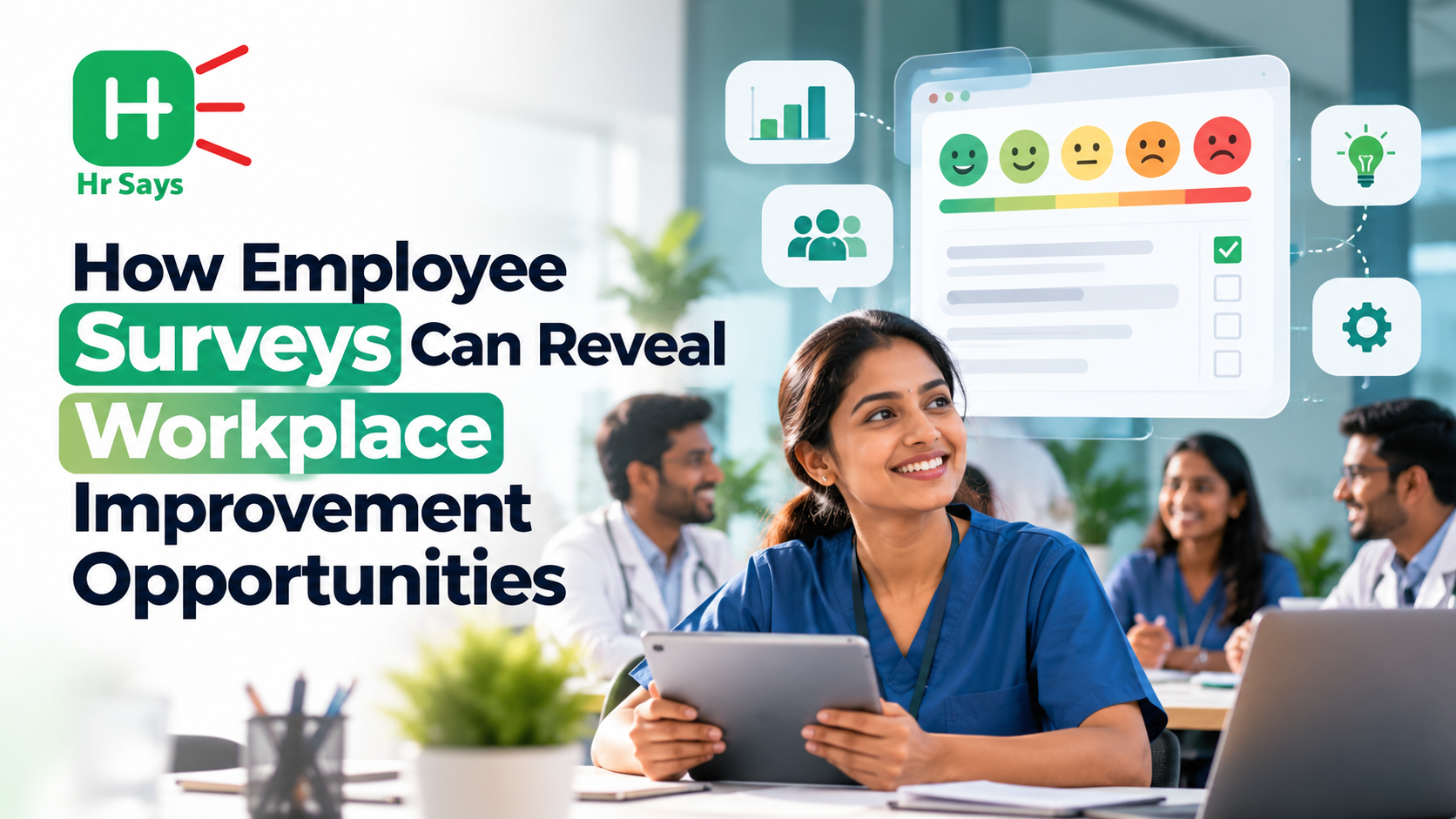
HR teams frequently collect surveys and feedback forms, but analytics helps connect responses with actual business outcomes. A department showing low engagement scores alongside rising absenteeism may indicate leadership or communication issues that require attention.
This data-driven approach does not remove the human side of HR. Instead, it strengthens decision-making by combining emotional intelligence with measurable evidence.
The Growing Role of HR Predictive Analytics
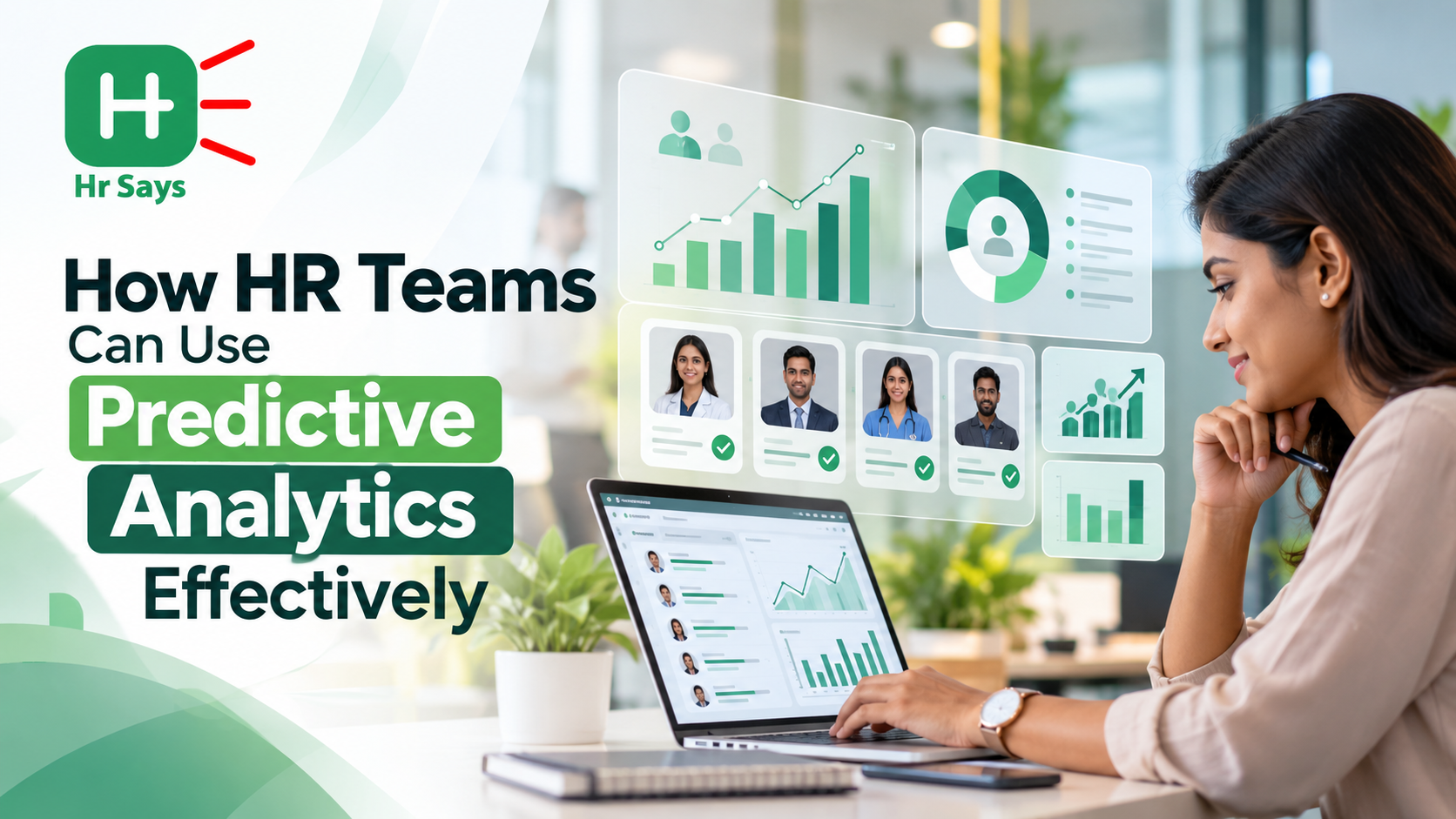
One of the most transformative developments in modern HR is hr predictive analytics. Unlike traditional analysis, predictive systems attempt to forecast future workforce behavior using existing patterns and historical data.
Organizations use predictive analytics to estimate employee turnover, hiring success rates, training outcomes, and workforce demand. While predictions are never perfect, they significantly improve planning accuracy.
For example, companies experiencing rapid growth often struggle with workforce planning. Hiring too slowly creates operational pressure, while overhiring increases unnecessary costs. Predictive analytics helps organizations estimate future staffing needs based on project pipelines, seasonal trends, and business expansion patterns.
Another area where predictive systems matter is employee well-being. Organizations increasingly analyze overtime trends, engagement data, and absence patterns to understand burnout risks. This is particularly relevant in fast-paced industries where prolonged stress affects both productivity and retention.
The healthcare, technology, and customer service sectors are already using predictive HR systems extensively because workforce stability directly affects operational performance. Businesses that understand workforce risks early are often more adaptable during economic or organizational change.
HR Analytics Tools and the Shift Toward Smarter Systems
The growth of hr analytics tools has made advanced workforce analysis more accessible, even for mid-sized organizations. Earlier, analytics systems were primarily used by large enterprises with extensive budgets. Today, cloud-based platforms and integrated HR software allow businesses of different sizes to use workforce analytics more effectively.
Modern tools combine recruitment tracking, performance management, payroll data, learning systems, and employee feedback into unified platforms. This creates a broader picture of workforce behavior instead of isolated reports.
However, the effectiveness of these systems depends heavily on data quality and interpretation. Organizations sometimes assume that having software automatically improves HR decisions. In reality, poor data collection or weak analysis can create misleading conclusions.
Several factors influence whether hr data and analytics creates meaningful value:
- Data accuracy determines the reliability of workforce insights
Incomplete employee records, inconsistent survey participation, or outdated performance information reduce analytical accuracy. Organizations must maintain clean and updated data systems for analytics to remain useful. - Context matters as much as numbers in HR decision-making
A productivity decline may not always indicate poor employee performance. External pressures, organizational restructuring, or leadership changes may influence results. Effective analytics combines data interpretation with workplace understanding. - Technology adoption requires organizational trust and transparency
Employees are more likely to support analytics-driven systems when organizations clearly explain how workforce data is used. Transparency reduces concerns about excessive monitoring or unfair evaluation practices.
As technology continues evolving, companies are also integrating artificial intelligence into HR analytics platforms. AI helps identify workforce trends faster, but human interpretation remains essential because employee behavior cannot be understood through numbers alone.
Why HR Analytics Matters for Students, Entrepreneurs, and Business Leaders
The importance of human resources analytics is not limited to HR departments alone. Students, entrepreneurs, startup founders, and business leaders increasingly need to understand workforce analytics because people management directly affects organizational growth.
For students entering HR careers, analytics skills are becoming highly valuable. Many universities and online platforms now offer a course on hr analytics to help learners understand workforce metrics, predictive systems, and employee data interpretation. Organizations are actively seeking HR professionals who can combine people management with analytical thinking.
Entrepreneurs also benefit significantly from analytics-driven HR systems. Small businesses often struggle with hiring mistakes because limited teams amplify the impact of poor recruitment decisions. By analyzing hiring success patterns and employee performance trends early, startups can build stronger teams more efficiently.
Business leaders use analytics to align workforce planning with organizational goals. Instead of treating HR as a support function alone, modern companies increasingly position HR as a strategic business partner. Workforce data influences decisions related to expansion, restructuring, productivity, and long-term organizational planning.
This shift explains why hr data analytics courses and workforce analytics certifications are growing rapidly worldwide. Companies recognize that understanding people through data has become a competitive advantage rather than a specialized HR skill.
Challenges and Ethical Questions in HR Analytics
Despite its advantages, analytics in hr also creates important challenges. One of the biggest concerns involves privacy and ethical data usage.
Employees may feel uncomfortable if organizations collect excessive behavioral data without transparency. Companies must balance analytical insights with respect for employee trust and workplace culture.
Bias is another major issue. If historical workforce data contains biased hiring or promotion patterns, analytics systems may unintentionally reinforce those inequalities. This is why organizations must regularly review analytical models rather than relying blindly on automated recommendations.
Another challenge involves overdependence on numbers. HR decisions involve human behavior, emotions, motivation, and communication. Analytics provides guidance, but it cannot fully replace human judgment.
Organizations that use analytics successfully usually combine technology with strong leadership communication, ethical practices, and employee-centered thinking.
Conclusion
The rise of hr analytics is transforming how organizations understand people, performance, and workplace behavior. Businesses are moving beyond assumptions and using hr data to make more informed decisions related to hiring, retention, engagement, and workforce planning.
As workplaces continue evolving, human resources analytics will become even more important for organizations seeking adaptability and long-term stability. Companies that combine analytical insight with human understanding are likely to create healthier, more effective workplaces in the years ahead.
Frequently Asked Questions (FAQs)
1. How is HR analytics different from traditional HR management?Traditional HR management often focuses on administrative tasks and experience-based decisions, while hr analytics uses measurable workforce insights to improve hiring, retention, and productivity decisions. By combining hr data with behavioral trends, organizations can understand why workforce challenges happen instead of only reacting after problems appear.
2. Why are companies investing heavily in HR data analytics today?Businesses are investing in hr data analytics because workforce expectations are changing rapidly. Companies now rely on predictive insights, employee engagement patterns, and performance trends to make smarter decisions. This approach improves workforce planning and helps organizations adapt to changing workplace environments more effectively.
3. Can small businesses benefit from analytics in HR?Yes, even smaller organizations benefit from analytics in hr because workforce decisions have a larger impact in smaller teams. Using employee performance data and hiring insights helps businesses avoid costly recruitment mistakes and improve long-term team stability through practical workforce strategies.
4. What skills are important for learning human resources analytics?Professionals learning human resources analytics should understand workforce behavior, reporting systems, and data interpretation. Communication and analytical thinking are equally important because interpreting employee patterns requires both technical understanding and practical workplace awareness.
5. How do HR analytics tools improve employee retention?Modern hr analytics tools identify patterns linked to resignations, burnout, or disengagement before they become major issues. By analyzing employee feedback, workload distribution, and career progression trends, organizations can improve retention through proactive workforce planning and employee-centered decisions.
6. Is there a growing demand for HR analytics careers globally?Yes, demand for professionals skilled in data analytics human resources is increasing because organizations now treat workforce strategy as a business priority. Companies across industries are seeking HR professionals who understand both employee management and data-driven decision-making systems.
7. What is the role of predictive analytics in HR decision-making?Hr predictive analytics helps organizations estimate future workforce behavior based on historical patterns and employee trends. Businesses use these systems to forecast turnover risks, hiring needs, and workforce planning challenges, improving adaptability and long-term organizational stability.
8. Are HR analytics systems only useful for recruitment?No, hr and analytics extends far beyond hiring. Organizations use workforce analytics for employee engagement, learning and development, succession planning, productivity analysis, and workplace culture improvement. It supports broader organizational strategy rather than just recruitment functions.
9. How do HR data analytics courses help career growth?Many professionals pursue hr data analytics courses because organizations increasingly value analytical HR skills. These programs help learners understand workforce metrics, employee behavior analysis, and reporting systems, improving their ability to contribute to strategic business decisions.
10. What challenges do organizations face when using HR analytics?One major challenge in analytics and hr is balancing workforce insights with employee trust and privacy. Organizations must ensure accurate data collection, transparent communication, and ethical decision-making while using analytics systems to avoid bias or misleading workforce conclusions.