 Friday, October 23, 2026
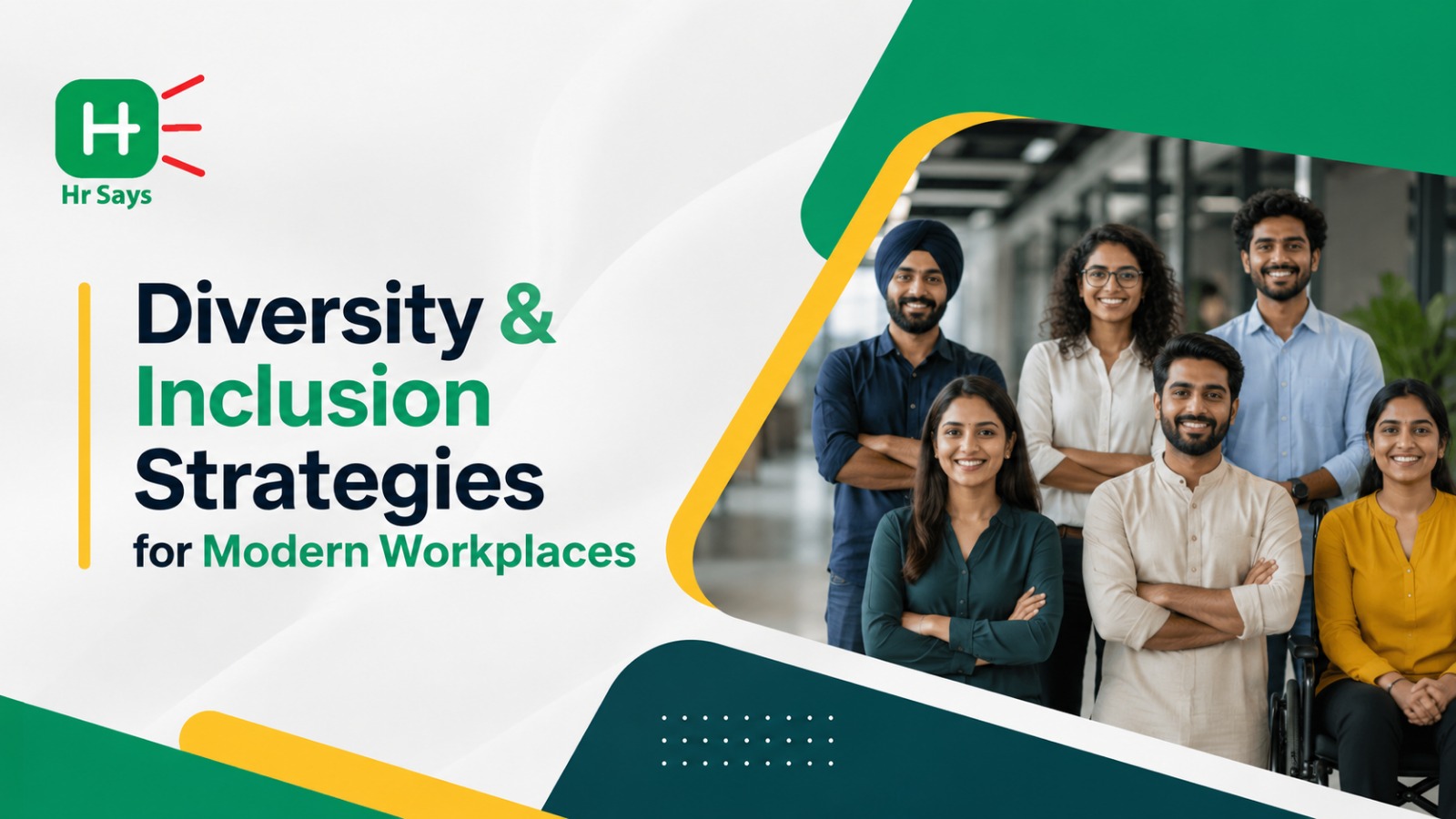
 Strong workplace diversity and inclusion practices improve collaboration, innovation, and employee trust while supporting healthier organizational culture. Building an inclusive work environment through adaptable leadership, communication awareness, and cultural understanding strengthens long-term workplace success.




Modern workplaces are changing faster than ever. Teams now include people from different cultures, age groups, educational backgrounds, and work styles. This shift has made workplace diversity and inclusion more than a corporate trend. It has become a practical requirement for organizations that want long-term growth, innovation, and employee trust. Businesses that ignore these changes often struggle with communication gaps, high turnover, and disconnected teams. Creating an inclusive work environment is no longer just about representation. It is about building systems where different people can contribute meaningfully and grow together.
Why Diversity in the Workplace Has Become a Business Necessity
The conversation around diversity in the workplace has evolved significantly over the past decade. Earlier, many organizations treated diversity as a hiring target or a branding exercise. Today, companies are realizing that diversity directly influences decision-making, creativity, employee retention, and customer trust.
A workplace with people from similar backgrounds often develops repetitive thinking patterns. Teams may unknowingly approach problems from a limited perspective because everyone shares similar experiences. In contrast, a diverse work environment introduces different viewpoints that challenge assumptions and improve problem-solving. This is especially important in global industries where businesses serve customers with different cultural and social expectations.
The impact becomes visible in daily operations. A marketing team with multicultural perspectives can better understand global audiences. Product teams with diverse experiences often identify usability issues earlier because they think from multiple user perspectives. Leadership teams with varied backgrounds tend to assess risks more carefully and make balanced decisions.
However, diversity alone does not automatically improve workplace culture. Many organizations hire diverse talent but fail to create systems where employees feel heard or respected. This is where inclusion becomes critical. Without inclusion, diversity may exist only on paper while employees continue feeling disconnected internally.
The benefits of diversity in the workplace become meaningful only when organizations actively support collaboration, fairness, and equal participation. Companies that successfully combine diversity with inclusion usually build stronger employee relationships and healthier long-term cultures.
The Difference Between Diversity and Inclusion in Real Workplace Scenarios
Many people use diversity and inclusion interchangeably, but they function differently inside organizations. Understanding this distinction is essential for creating effective workplace strategies.
Diversity refers to the presence of differences within a team. These differences may include culture, ethnicity, gender, age, language, educational background, disability, work style, or even personality traits. Inclusion, however, focuses on how those individuals experience the workplace after joining.
An organization may recruit employees from multiple backgrounds and still fail at diversity and inclusion at work if employees do not feel valued equally. This often happens in workplaces where leadership unintentionally favors certain communication styles, work habits, or cultural norms.
For example, in many multinational companies, employees from quieter cultural backgrounds may struggle during group discussions because meetings reward aggressive participation styles. Technically, diversity exists in that environment, but inclusion does not. Similarly, remote employees may feel excluded when key decisions happen informally inside office spaces.
An inclusive work environment recognizes these behavioral patterns and adjusts systems accordingly. Inclusion is reflected in how meetings are conducted, how promotions are evaluated, how feedback is delivered, and how leadership communicates.
Real inclusion also requires psychological safety. Employees should feel comfortable expressing concerns or ideas without fear of embarrassment or dismissal. This is especially important in teams where individuals may already feel socially or culturally different from the majority group.
Organizations that understand the gap between representation and participation usually develop healthier workplace cultures because they address the deeper human experience behind diversity.
How Workplace Culture Shapes Inclusion More Than Policies
Many organizations create formal diversity policies, but culture ultimately determines whether those policies work in practice. A strong workplace diversity policy may look effective on paper, yet employees can still experience exclusion if daily interactions contradict those values.
Culture is shaped through behavior patterns rather than official statements. Employees observe how leaders react during disagreements, who gets recognized publicly, whose opinions receive attention, and how conflicts are resolved. These signals quietly define what behavior feels acceptable within a company.
In workplaces with strong inclusion cultures, employees usually feel comfortable contributing ideas regardless of their role or background. Communication tends to remain respectful even during disagreement. Teams become more adaptable because people are less afraid of being judged for different viewpoints.
On the other hand, workplaces with weak inclusion cultures often develop hidden social hierarchies. Certain employees gain influence because they match dominant personalities or communication styles. Others may slowly disengage even if they are highly skilled.
Signs That Culture Supports Real Inclusion- Employees from different backgrounds participate actively in decision-making
Inclusive organizations create environments where employees feel safe contributing opinions, even during disagreements. Participation becomes balanced because people believe their perspectives will be considered fairly rather than dismissed due to hierarchy or social comfort levels. - Leadership behavior reflects openness instead of performative messaging
Employees pay close attention to how managers respond during stressful situations. Leaders who listen carefully, acknowledge mistakes, and encourage multiple viewpoints build trust more effectively than organizations relying only on public diversity campaigns. - Collaboration happens across teams instead of isolated social groups
In healthier workplaces, employees interact naturally beyond familiar cultural or departmental circles. This strengthens communication, reduces misunderstandings, and improves team adaptability during complex projects or organizational change.
Challenges Organizations Face While Managing Diversity in the Workplace
While the value of inclusion is widely recognized, managing diversity in the workplace remains challenging for many organizations. One major reason is that workplace diversity involves human behavior, communication patterns, and emotional perception rather than simple procedural changes.
A common challenge is unconscious bias. Employees and managers may unintentionally favor people who think, speak, or behave similarly to themselves. These biases often influence hiring decisions, leadership opportunities, and workplace relationships without being openly visible.
Another challenge involves communication differences. In culturally diverse teams, misunderstandings can occur because employees interpret tone, feedback, or authority differently based on personal background. Some employees may view direct communication as honest and efficient, while others perceive it as disrespectful or aggressive.
Generational differences also affect workplace inclusion. Younger employees often expect flexibility, openness, and collaborative leadership styles, while older professionals may value structure and hierarchy more strongly. Organizations must balance these expectations carefully to maintain cohesion.
Remote and hybrid work environments have introduced additional complexity. Employees working remotely may struggle to build relationships or visibility compared to office-based colleagues. Inclusion strategies now require intentional digital communication and equal access to opportunities.
Why Inclusion Efforts Sometimes Fail- Organizations focus only on recruitment numbers instead of employee experience
Hiring diverse employees without improving internal culture creates frustration because representation alone does not guarantee equal participation or growth opportunities inside the workplace. - Managers receive policies but not behavioral training
Many leaders understand diversity conceptually but lack practical skills for handling sensitive conversations, communication differences, or team conflicts involving cultural misunderstandings. - Employees fear saying the wrong thing during conversations about diversity
This fear can create silence instead of genuine communication. Organizations need environments where respectful learning and discussion feel safer than avoidance.
How Inclusive Leadership Influences Team Performance
Leadership behavior strongly affects whether employees experience inclusion genuinely or superficially. Teams usually mirror the communication style and emotional behavior demonstrated by leadership.
Inclusive leaders create environments where employees feel respected, heard, and supported. They encourage participation from quieter team members and remain aware of how bias may affect decisions. These leaders also recognize that employees experience workplace systems differently depending on background, personality, or social identity.
An important aspect of inclusive leadership is adaptability. Different employees may require different communication approaches to perform effectively. Some employees thrive with direct feedback, while others respond better to collaborative discussion.
Leaders who understand these variations often build stronger teams because employees feel recognized individually rather than treated uniformly. This directly influences retention, morale, and innovation.
The connection between inclusion and performance becomes especially visible during periods of stress or uncertainty. Teams with strong inclusion cultures generally adapt more effectively because employees communicate openly instead of withholding concerns.
Organizations focused on inclusivity and diversity in the workplace often see long-term benefits in creativity, trust, and employee engagement because leadership actively shapes healthier interaction patterns.
Why Diversity and Inclusion Continue Evolving in Modern Workplaces
The future of diversity & inclusion in the workplace will likely become more behavior-focused rather than policy-focused. Employees increasingly expect workplaces to provide fairness, flexibility, emotional safety, and meaningful participation.
Technology and globalization continue expanding workplace diversity rapidly. Teams now collaborate across countries, time zones, and cultures more frequently than ever before. This increases the importance of emotional intelligence, communication awareness, and adaptable leadership systems.
Organizations are also beginning to recognize inclusion as an ongoing process rather than a fixed achievement. Social expectations change over time, and workplace systems must evolve accordingly.
Businesses that remain open to learning and adaptation usually build stronger internal cultures because they treat inclusion as part of organizational growth instead of a temporary initiative.
Conclusion
Strong workplace diversity and inclusion strategies go far beyond hiring practices. They influence communication, leadership, collaboration, and employee trust at every level of an organization. A truly inclusive work environment creates space for different perspectives while ensuring employees feel respected and valued equally.
Organizations that invest in thoughtful inclusion practices often build healthier cultures, stronger innovation, and better long-term adaptability. As workplaces continue evolving globally, diversity and inclusion will remain central to sustainable growth and meaningful collaboration.
Frequently Asked Questions (FAQs)
1. Why is workplace diversity and inclusion important in modern organizations?Workplace diversity and inclusion helps organizations build stronger collaboration, broader perspectives, and healthier communication patterns. Teams with different experiences often solve problems more creatively because they approach situations from multiple viewpoints. This also improves employee trust and supports a more adaptable inclusive work environment.
2. How does diversity in the workplace improve business performance?Diversity in the workplace improves performance by bringing varied thinking styles, cultural understanding, and problem-solving approaches into one team. Businesses with inclusive cultures often adapt faster to changing markets because employees contribute broader insights. This strengthens innovation and supports long-term organizational growth.
3. What challenges do companies face while managing diversity in the workplace?Managing diversity in the workplace becomes difficult when communication styles, workplace expectations, and unconscious bias are not addressed properly. Employees from different backgrounds may interpret feedback or leadership differently. Organizations that improve communication awareness and encourage respectful collaboration usually build stronger workplace relationships.
4. What creates a truly inclusive work environment?An inclusive work environment is created when employees feel respected, heard, and comfortable contributing ideas without fear of exclusion. This usually depends on leadership behavior, team communication, and workplace culture rather than policies alone. Consistent support and fair participation help improve diversity and inclusion at work naturally.
5. How does cultural diversity in workplace settings affect teamwork?Cultural diversity in workplace environments can improve creativity and decision-making because employees bring different experiences and viewpoints into discussions. At the same time, communication misunderstandings may occur if teams are not guided properly. Strong inclusion practices help teams learn from differences rather than struggle with them.
6. Why do some diversity initiatives fail despite good intentions?Some diversity & inclusion in the workplace initiatives fail because organizations focus only on hiring targets instead of employee experience. Employees may still feel excluded if workplace behavior, leadership decisions, or communication patterns remain unchanged. Sustainable inclusion requires ongoing cultural adjustment and trust-building.
7. How can leaders support inclusivity and diversity in the workplace effectively?Leaders improve inclusivity and diversity in the workplace by encouraging balanced participation, listening carefully to employee concerns, and recognizing different communication styles. Inclusive leadership also involves adapting management approaches based on team needs instead of expecting everyone to behave similarly.
8. What role does workplace culture play in diversity and inclusion at work?Workplace culture strongly influences diversity and inclusion at work because employees pay attention to daily behavior more than official statements. Respectful communication, fair opportunities, and openness during discussions help create a healthier environment where employees feel valued equally.
9. How does a workplace diversity policy help organizations?A strong workplace diversity policy provides structure for fair hiring, respectful behavior, and equal workplace opportunities. However, policies become effective only when leadership and employees apply those values consistently in real workplace interactions and decision-making processes.
10. Why is a diverse work environment becoming more important globally?A diverse work environment is becoming increasingly important because modern businesses serve people from different cultures, lifestyles, and regions. Organizations with broader perspectives usually understand customer needs better and adapt more effectively to global workplace and market changes.