 Saturday, October 24, 2026
.jpeg)
 Unwanted attrition is influenced by disengagement, unclear growth, and weak listening systems.
This blog explores how HR can reduce preventable exits through continuous feedback,
manager enablement, meaningful data use, and employee experience aligned with modern
work expectations.
Unwanted attrition is influenced by disengagement, unclear growth, and weak listening systems.
This blog explores how HR can reduce preventable exits through continuous feedback,
manager enablement, meaningful data use, and employee experience aligned with modern
work expectations.




Exits of employees are seldom abrupt. They are usually a culmination of long and silent disconnection. There are warning signs that are there in most organisations but they are ignored. HR is put at the heart of this fact, where attrition is not a phenomenon monitored but rather a process averting through decisive moves that are made regularly because they are human-centric.
Understanding What Drives Unwanted Attrition
It is not salary which is often used to motivate unwanted attrition. It is influenced by the lack of trust and motivation through the daily experiences. Roles can become stagnant and communication can become distant or the work can go unnoticed, so escapes are all too real.
Several factors are commonly observed:
● Lack of career visibility and internal mobility
● Poor manager-employee relationships
● Misalignment between expectations and actual roles
● Burnout caused by workload imbalance
● Weak employee experience in hybrid work environments
When these patterns are ignored, attrition is often normalised rather than questioned.
HR As The Listener Within The System
HR is often positioned as a policy function, yet its most valuable role is that of an organisational listener. Signals are shared informally long before resignation letters are written.
Building Continuous Feedback Loops
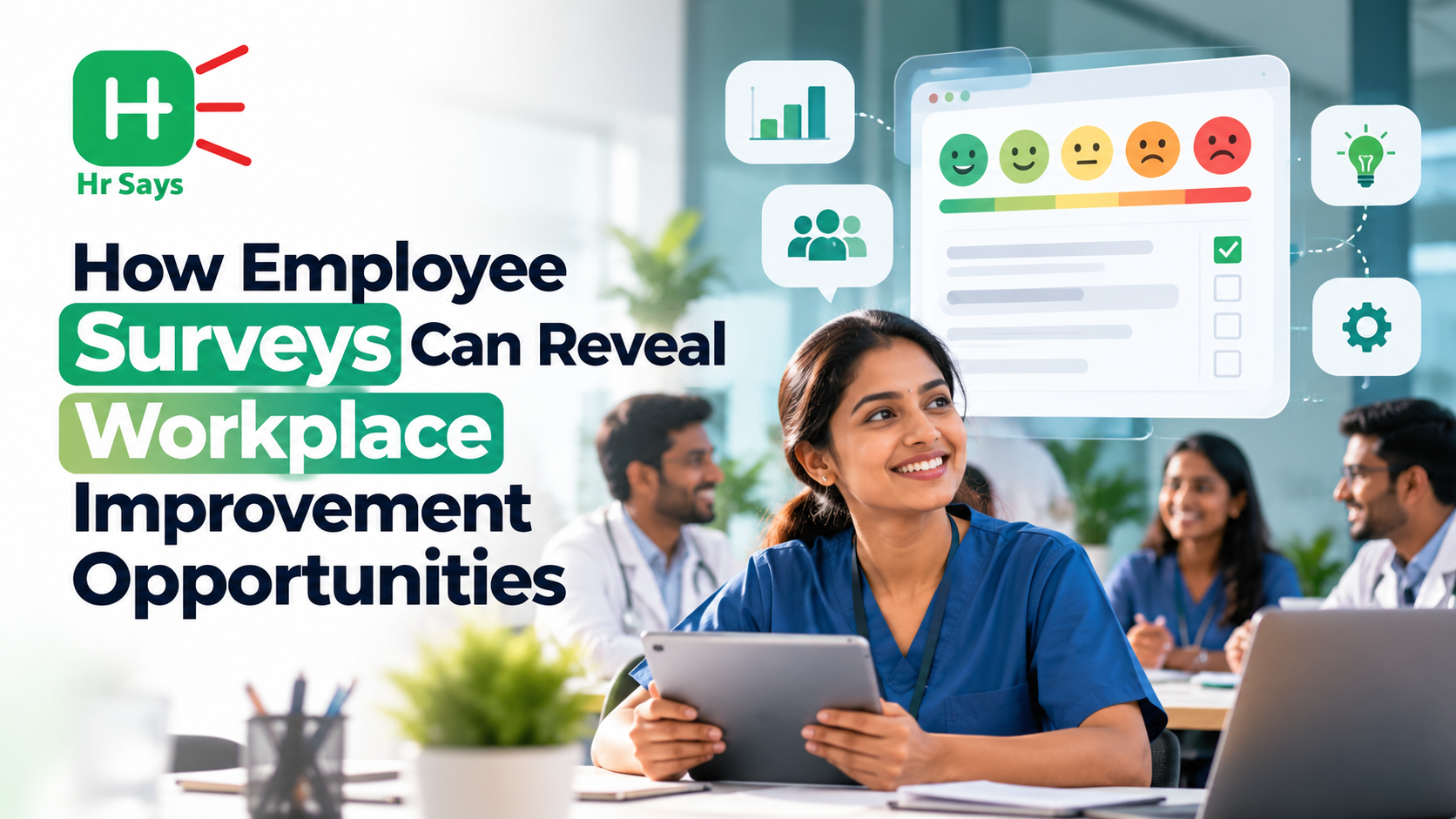
Instead of relying only on annual surveys, feedback is best collected continuously. Stay interviews, pulse surveys, and one-on-one check-ins allow dissatisfaction to surface early. When employees feel heard without consequences, honesty is more likely to be offered.
Making Data Meaningful
Data-driven HR is effective only when insights are acted upon. Attrition metrics, engagement scores, and performance data should be connected, not stored in isolation. Patterns across teams often reveal leadership or workload issues that individuals hesitate to name.
Strengthening The Manager’s Role In Retention
Managers are rarely trained to retain people, yet they influence retention the most. HR’s role is not to replace managers but to equip them.
Support is often provided through:
● Coaching managers on empathetic communication
● Setting clear expectations around feedback and recognition
● Identifying early signs of disengagement
● Encouraging regular career conversations
When managers are supported rather than blamed, accountability is shared more realistically.
Designing Growth That Feels Real
Career development is frequently promised but vaguely delivered. When growth paths are unclear, exits feel like the only option.
HR can reduce this gap by:
● Mapping transparent career pathways
● Promoting internal hiring and role rotation
● Linking learning programs to actual advancement
● Aligning employee value proposition with lived experience
Growth that is visible and attainable is more effective than motivational language.
Creating Stability In A Changing Work Culture
Hybrid work, flexibility, and well-being are no longer perks. They are expectations. HR is expected to balance organisational needs with human sustainability.
Policies alone do not retain employees. What retains them is consistency. Fair workload distribution, psychological safety, and respect for boundaries quietly build loyalty over time.
Conclusion
Unwanted attrition is rarely a surprise. It is often the result of small signals being dismissed for too long. HR reduces attrition not through control, but through attention, structure, and steady follow-through. Retention is shaped slowly, long before someone decides to leave.