Thursday, October 01, 2026
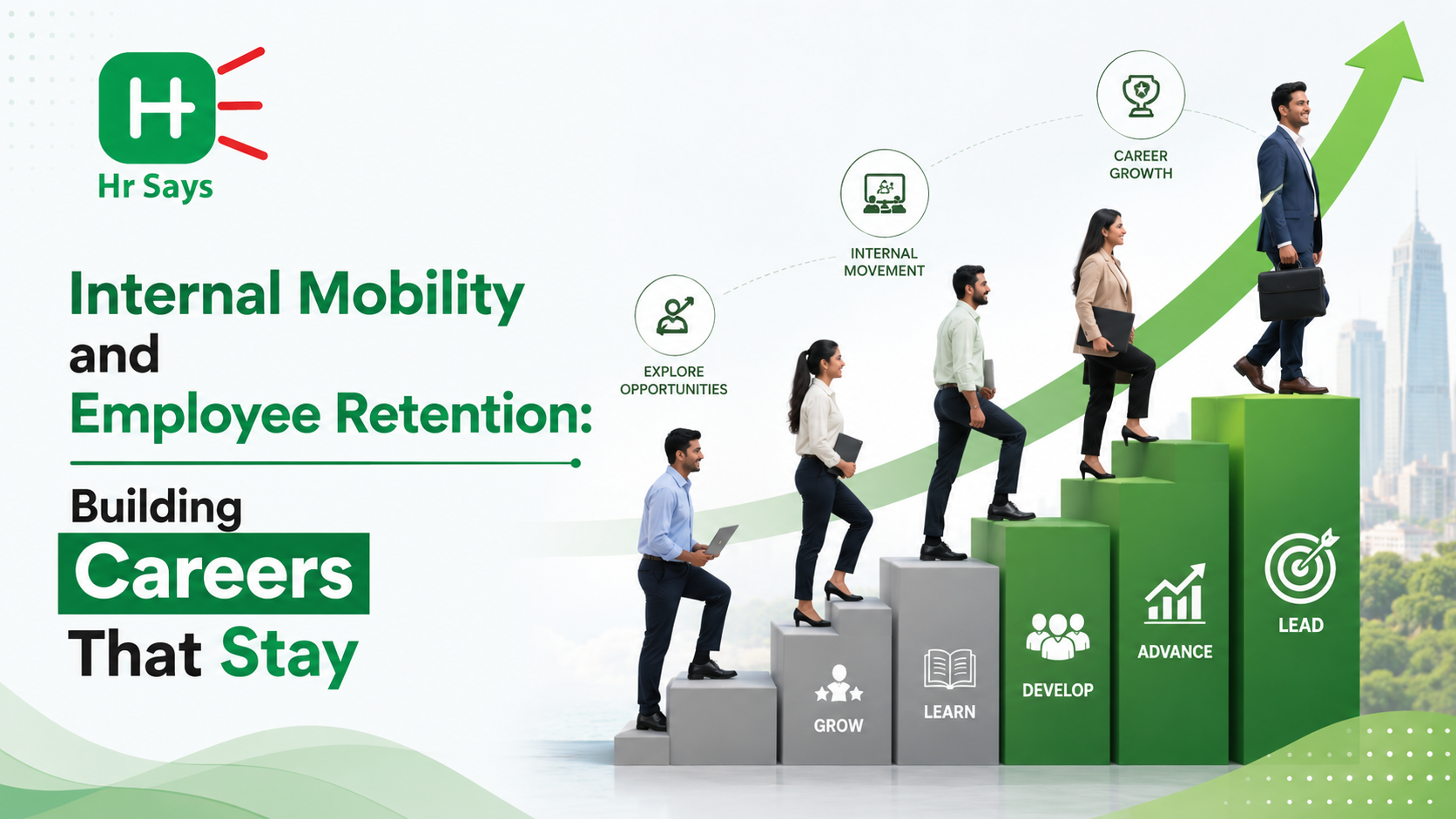
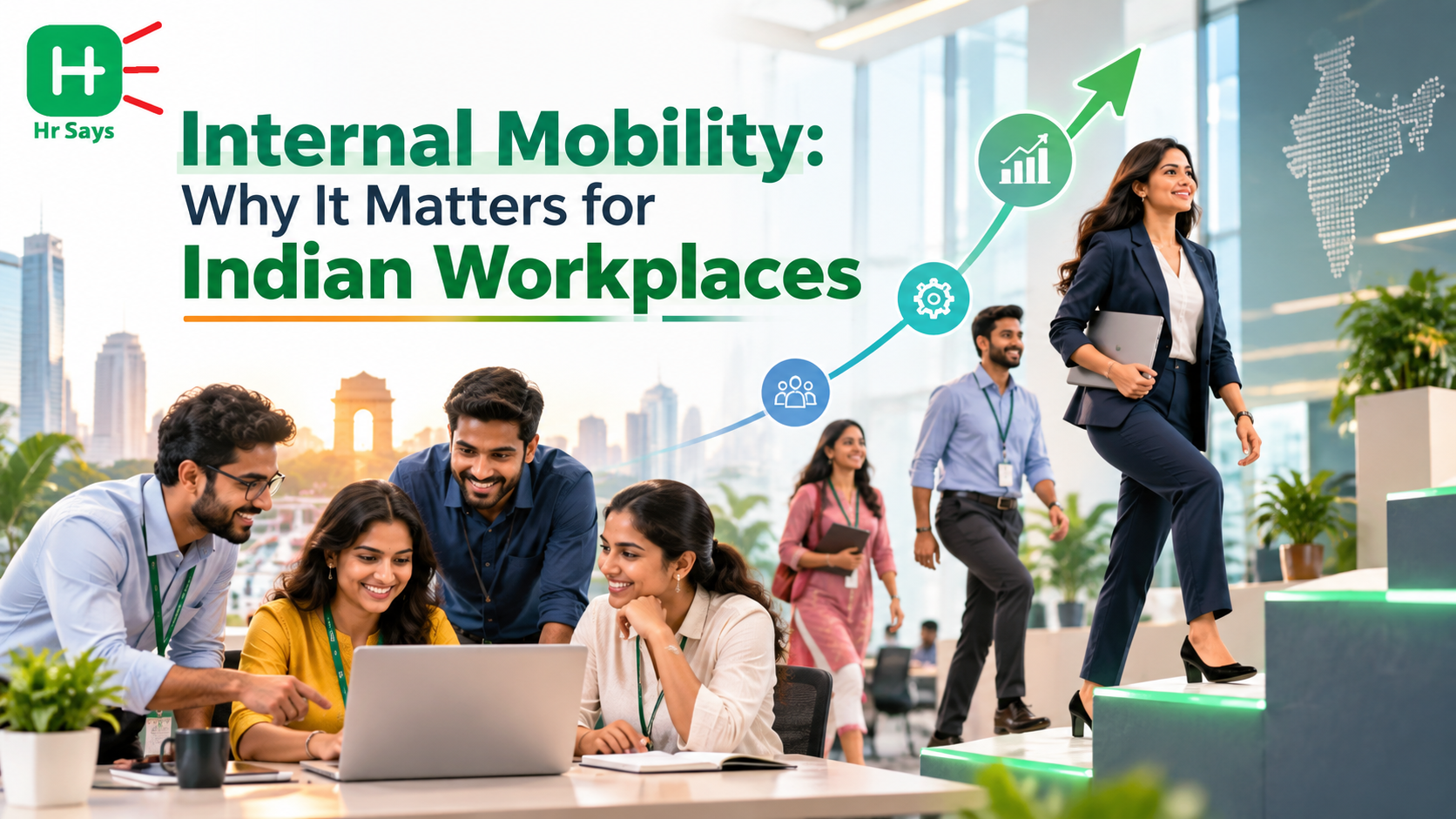
 Internal mobility strengthens employee retention by creating visible career pathways, supporting workforce development, and improving talent engagement. Organizations that prioritize career growth, skill mobility, and internal talent development build more resilient and future-ready workforces.




Organizations often focus heavily on attracting talent but underestimate the importance of keeping it. In today's workforce, employees are not only looking for competitive salaries. They want growth, learning opportunities, meaningful work, and a clear future within the organization. This is where internal mobility and employee retention become closely connected. Companies that create pathways for employees to grow internally often retain talent longer, reduce hiring costs, and build stronger organizational cultures.
Why Employees Leave Even When They Like Their Jobs
One of the biggest misconceptions in workforce management is that employees leave because they dislike their employer. In reality, many employees leave organizations they genuinely enjoy working for.
The underlying issue is often stagnation rather than dissatisfaction. People naturally seek growth. When employees feel they have reached a ceiling, they begin looking elsewhere, even if they appreciate their managers, colleagues, and workplace culture.
This pattern is especially visible among younger professionals entering the workforce. They are accustomed to continuous learning and rapid development. When opportunities become limited, external offers appear more attractive than waiting for an uncertain internal future.
At the same time, experienced professionals face a different challenge. They may remain loyal to the organization but feel underutilized. Their skills evolve while their responsibilities remain unchanged. Over time, engagement declines, and retention risk increases.
This creates an important insight: retention is not solely about employee satisfaction. It is about maintaining a sense of progress. Employees stay where they can envision a future version of themselves.
Internal mobility addresses this challenge by turning career progression into an ongoing experience rather than a one-time promotion opportunity.
Understanding Internal Mobility Beyond Promotions
Many organizations mistakenly define internal mobility as promotion alone. While promotions are part of the equation, true internal mobility is much broader.
Internal mobility refers to the movement of employees across roles, functions, departments, projects, locations, and leadership pathways within an organization. It creates multiple directions for growth rather than a single upward ladder.
Consider two employees with identical ambitions. One wants to become a manager. Another wants to explore new skills and broaden expertise across departments. Traditional promotion systems mainly serve the first employee. Internal mobility serves both.
Employees may move from marketing into product management, from customer support into operations, or from technical roles into leadership positions. These transitions create fresh challenges while retaining institutional knowledge.
Organizations benefit because they preserve valuable talent while filling capability gaps internally. Employees benefit because they gain new experiences without restarting their careers elsewhere.
The most successful companies increasingly view careers as career lattices rather than career ladders. A lattice allows movement in multiple directions, creating greater flexibility and long-term engagement.
The Psychology Behind Employee Retention
Employee retention is often discussed through metrics and turnover percentages, but retention is fundamentally a psychological process.
People remain committed when three conditions exist:
A Sense of GrowthEmployees want evidence that their skills are expanding and their future prospects are improving. Growth does not always require a promotion. New projects, responsibilities, and learning opportunities can provide the same sense of advancement.
A Sense of RecognitionEmployees are more likely to stay when they feel their capabilities are visible within the organization. Internal mobility programs signal that the company actively recognizes and values internal talent.
A Sense of BelongingWhen employees see a future within the organization, they develop stronger emotional attachment. Internal career opportunities reinforce this connection because employees perceive the company as investing in their long-term success.
Without these elements, even highly engaged employees may begin exploring external opportunities. Internal mobility strengthens all three simultaneously, making it one of the most effective retention strategies available.
How Internal Mobility Creates a Stronger Talent Ecosystem
Organizations often treat hiring and retention as separate challenges. In reality, they are interconnected parts of the same talent ecosystem.
When internal mobility functions effectively, several positive outcomes emerge:
- Employees gain visibility into future opportunities rather than feeling trapped in their current positions. This increases motivation because career progression feels achievable and transparent rather than uncertain.
- Managers develop talent more intentionally because they understand employees may move into new roles across the organization. This encourages stronger coaching and succession planning.
- Organizations reduce dependency on external recruitment for every capability gap. Internal candidates often require less onboarding time and adapt more quickly because they already understand company culture and processes.
- Knowledge remains inside the organization instead of leaving with departing employees. Internal transitions preserve institutional expertise while spreading it across departments.
This ecosystem approach transforms workforce planning from reactive hiring into proactive talent development.
Common Barriers That Limit Internal Mobility
Despite its advantages, many organizations struggle to implement effective internal mobility programs.
One common barrier is managerial resistance. Managers may hesitate to support employee movement because they fear losing top performers. While understandable, this mindset often creates larger retention problems. Employees denied internal opportunities frequently seek external ones instead.
Another challenge is limited visibility. Employees cannot pursue opportunities they cannot see. Many organizations have internal openings, but workers remain unaware of them.
Skill mismatches also create obstacles. Employees may possess potential for new roles but lack specific qualifications. Without learning pathways, internal movement becomes difficult.
Additionally, some organizations unintentionally prioritize external candidates over internal talent. This sends a discouraging message to employees who have invested years developing within the company.
Addressing these barriers requires leadership commitment, transparent processes, and a culture that views talent movement as organizational success rather than departmental loss.
What High-Performing Organizations Do Differently
Companies known for strong retention rates tend to approach internal mobility strategically rather than casually.
They Make Career Paths VisibleEmployees can easily understand available opportunities, required skills, and potential next steps. Transparency removes uncertainty and encourages proactive career planning.
They Invest in Skill DevelopmentLearning programs are aligned with future workforce needs. Employees receive opportunities to build capabilities before applying for new roles, increasing readiness and confidence.
They Encourage Cross-Functional ExperienceShort-term projects, rotational assignments, and collaborative initiatives expose employees to different business functions. This broadens organizational understanding while developing versatile talent.
They Measure Internal Hiring SuccessRather than focusing exclusively on external recruitment metrics, these organizations track internal transfers, promotions, retention rates, and employee career progression.
This strategic approach creates a culture where growth becomes part of everyday work rather than an occasional event.
The Business Impact of Internal Mobility
The value of internal mobility extends far beyond retention.
Organizations often experience lower recruitment costs because fewer positions require external hiring. Time-to-productivity decreases since internal candidates already understand company systems and culture.
Workforce agility also improves. When employees possess diverse experiences across departments, organizations can respond more effectively to changing market conditions.
Innovation benefits as well. Employees who move between functions bring fresh perspectives and connect ideas that might otherwise remain isolated. Cross-functional experience often becomes a source of creative problem-solving.
Perhaps most importantly, internal mobility strengthens employer reputation. Organizations known for career growth opportunities become more attractive to prospective candidates while simultaneously retaining existing talent.
This creates a competitive advantage that is difficult for competitors to replicate quickly.
Internal Mobility in a Changing Workforce
Workforce expectations continue evolving rapidly.
Remote work, digital transformation, artificial intelligence, and changing career preferences are reshaping how employees think about professional growth. Traditional career models based solely on promotions are becoming less effective.
Modern employees increasingly value skill development, meaningful work, flexibility, and career adaptability. Internal mobility aligns naturally with these priorities because it provides diverse experiences without requiring employees to leave the organization.
Future-focused organizations are beginning to think in terms of skills rather than job titles. Instead of asking, "What role does this employee currently hold?" they ask, "What capabilities does this employee possess, and where else could those capabilities create value?"
This mindset supports continuous workforce evolution while creating stronger retention outcomes.
As industries continue changing, organizations that prioritize internal mobility will likely adapt more successfully than those relying exclusively on external hiring.
Creating a Culture Where Employees Choose to Stay
Retention cannot be achieved through policies alone. It emerges from culture, opportunity, and trust.
Employees stay when they believe their future is brighter inside the organization than outside it. Internal mobility helps create that belief by demonstrating that growth is possible, skills are valued, and career development is actively supported.
Organizations do not need to guarantee promotions for every employee. They need to create visible pathways for learning, contribution, and advancement.
When employees see those pathways, retention becomes less about convincing people to stay and more about giving them compelling reasons not to leave.
Conclusion
Internal mobility and employee retention are deeply interconnected. Employees who see opportunities for growth, learning, and career progression within their organization are significantly more likely to remain engaged and committed. By creating transparent career pathways, investing in skill development, and encouraging talent movement across functions, organizations build stronger workforces while reducing turnover. In an increasingly dynamic labor market, internal mobility is no longer just a talent strategy. It is a long-term business advantage.
FAQ (Frequently Asked Questions)
1. How does internal mobility improve long-term employee retention?Internal mobility improves retention by giving employees visibility into future career opportunities without requiring them to leave the organization. When people see clear growth pathways and ongoing career development, they are more likely to stay engaged. This approach also strengthens talent retention strategies by reducing the feeling of career stagnation.
2. What are the biggest barriers to successful internal mobility programs?Common barriers include limited role visibility, manager resistance, and a lack of structured learning pathways. Employees may have the potential to move internally but lack the necessary support to develop new skills. Organizations that focus on workforce development and transparent career frameworks often overcome these challenges more effectively.
3. Is internal mobility only about promotions?No, internal mobility extends far beyond promotions. It can include lateral moves, cross-functional projects, temporary assignments, and skill-based transitions. These opportunities help employees gain broader experience while supporting employee growth opportunities and long-term career progression.
4. How can small businesses benefit from internal mobility?Even smaller organizations can benefit by encouraging employees to learn new functions and take on broader responsibilities. This approach builds versatility within teams and supports organizational agility. It also reduces dependence on external hiring while improving employee engagement.
5. What role does skill development play in internal mobility?Skill development is often the foundation of successful internal mobility. Employees need access to learning opportunities that prepare them for future roles. Investing in upskilling and reskilling not only improves workforce capability but also strengthens internal talent development efforts.
6. How does internal mobility impact company culture?A strong internal mobility culture creates trust and transparency. Employees feel valued when they know opportunities are available within the organization. This improves workplace satisfaction and supports a culture focused on continuous professional development rather than short-term job performance alone.
7. Can internal mobility reduce recruitment costs?Yes, organizations often save significant time and resources by filling positions internally. Existing employees already understand company processes and culture, which reduces onboarding time. This creates a more efficient talent management strategy while improving overall workforce stability.
8. How do employees know if their organization supports internal mobility?Organizations that support internal mobility typically provide clear career paths, internal job postings, mentorship opportunities, and learning programs. These initiatives encourage career advancement and demonstrate a commitment to employee development, making growth opportunities more visible.
9. Why do employees leave companies that offer good salaries and benefits?Compensation is important, but it is rarely the only factor influencing retention. Employees often leave when they cannot see future opportunities or meaningful growth. Strong career mobility programs and continuous skill development opportunities help address this issue by creating a sense of long-term progress.
10. What does the future of internal mobility look like?The future is increasingly focused on skills rather than job titles. Organizations are moving toward talent marketplaces, project-based work, and flexible career pathways. This shift supports future-ready workforce planning and enables employees to build adaptable careers through continuous learning and development.