Saturday, October 24, 2026
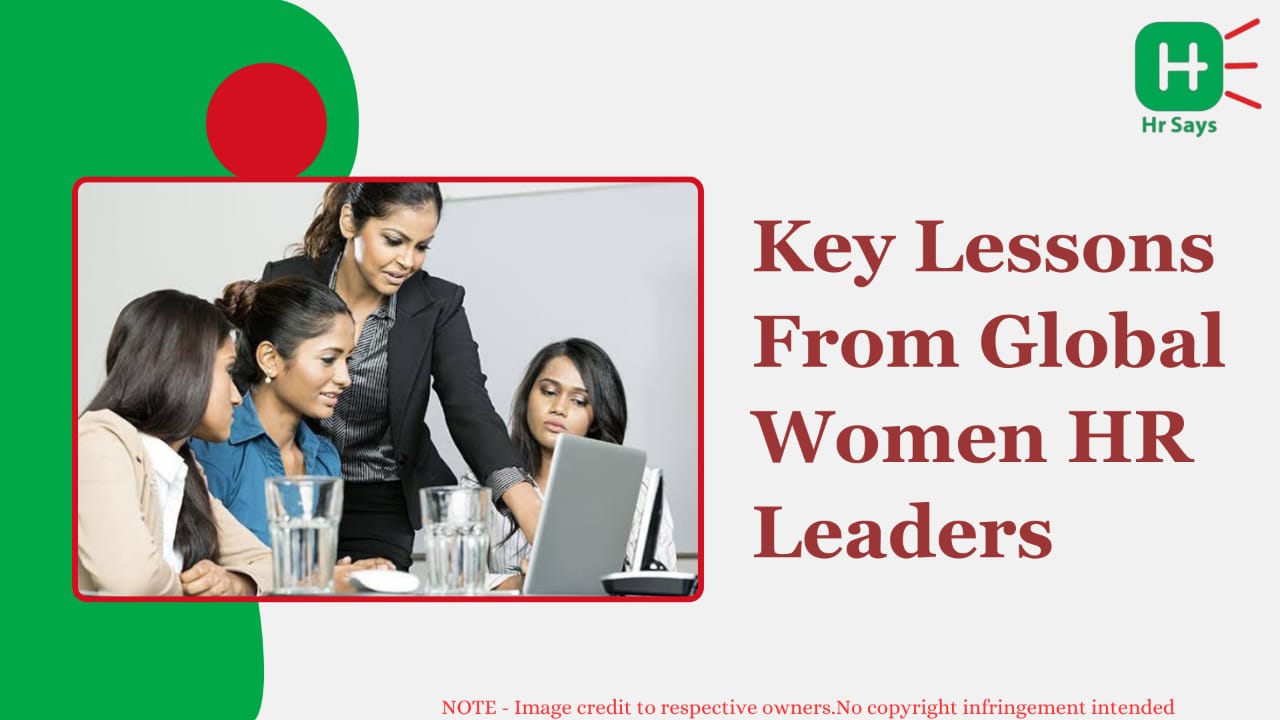
 Global women HR leaders bring resilience, inclusivity, and empathy into workplace strategies. Their lessons highlight diversity, engagement, and adaptable leadership. Organizations adopting these practices can create stronger, people-focused cultures that thrive amid change.




How are female HR leaders emerging as so special in a dynamic world, when the dynamics at the place of work are ever-changing? Endurance, wisdom, and useful prudence usually accompany them. Modern readers demand inspirational ideas with a touch of reality in the current-day working place, not merely theory.
Women Leaders Redefining HR
Women HR leaders in industries are changing their strategies by balancing the needs of the business with empathy. Their philosophy is people-oriented and performance-based. These leaders take inclusiveness to the centre stage, presenting work environments where diversity is accorded a voice. The journee reader can follow some of the teachings of their stories as they explain how HR has become a growth engine and culture-giver.
Key Lessons That Shape HR Practices
Global women HR leaders have consistently highlighted practices that hold value in every workplace. Their leadership is not about dominance, but about weaving strong connections.
Focus on Inclusivity
● Building policies that encourage diversity
● Creating safe channels for employee expression
● Ensuring equal opportunities in leadership roles
Resilience in Decision-Making
Women leaders often navigate complex challenges with patience. Their decisions balance business outcomes with employee well-being, setting a tone of fairness in organizations.
Nurturing Employee Engagement
They emphasize engagement strategies beyond basic recognition. Meaningful feedback, transparent communication, and trust-building are placed at the core of employee relations.
Challenges Faced, Wisdom Gained
The journey of global women HR leaders has not been without challenges. From balancing gender biases to managing fast-changing workplace expectations, they have faced barriers with determination. Their stories highlight how setbacks turned into lessons. This wisdom has redefined how HR leadership is perceived worldwide.
Practical Takeaways For Organizations
The lessons are not abstract; they translate into actionable practices. Organizations today can adopt these insights to make workplaces more adaptive and inclusive.
● Encourage leadership programs for women
● Focus on workplace well-being and mental health
● Strengthen diversity and inclusion frameworks
● Create flexible work policies that respect life beyond work
These points serve as reminders that change is not built on theory but on consistent actions.
Building A Future With Inclusive Leadership
The road ahead will continue to see HR led by women who combine resilience with empathy. Their leadership will not only influence employee relations but also set cultural standards. Companies that learn from these lessons will be better positioned to face future challenges with confidence.
Conclusion
The experiences of global women HR leaders reveal how human resources can transform workplaces into thriving ecosystems. Their ability to balance strategy with empathy makes their insights relevant for every organization. Learning from their journey ensures HR remains a bridge between people and purpose.