 Sunday, September 20, 2026
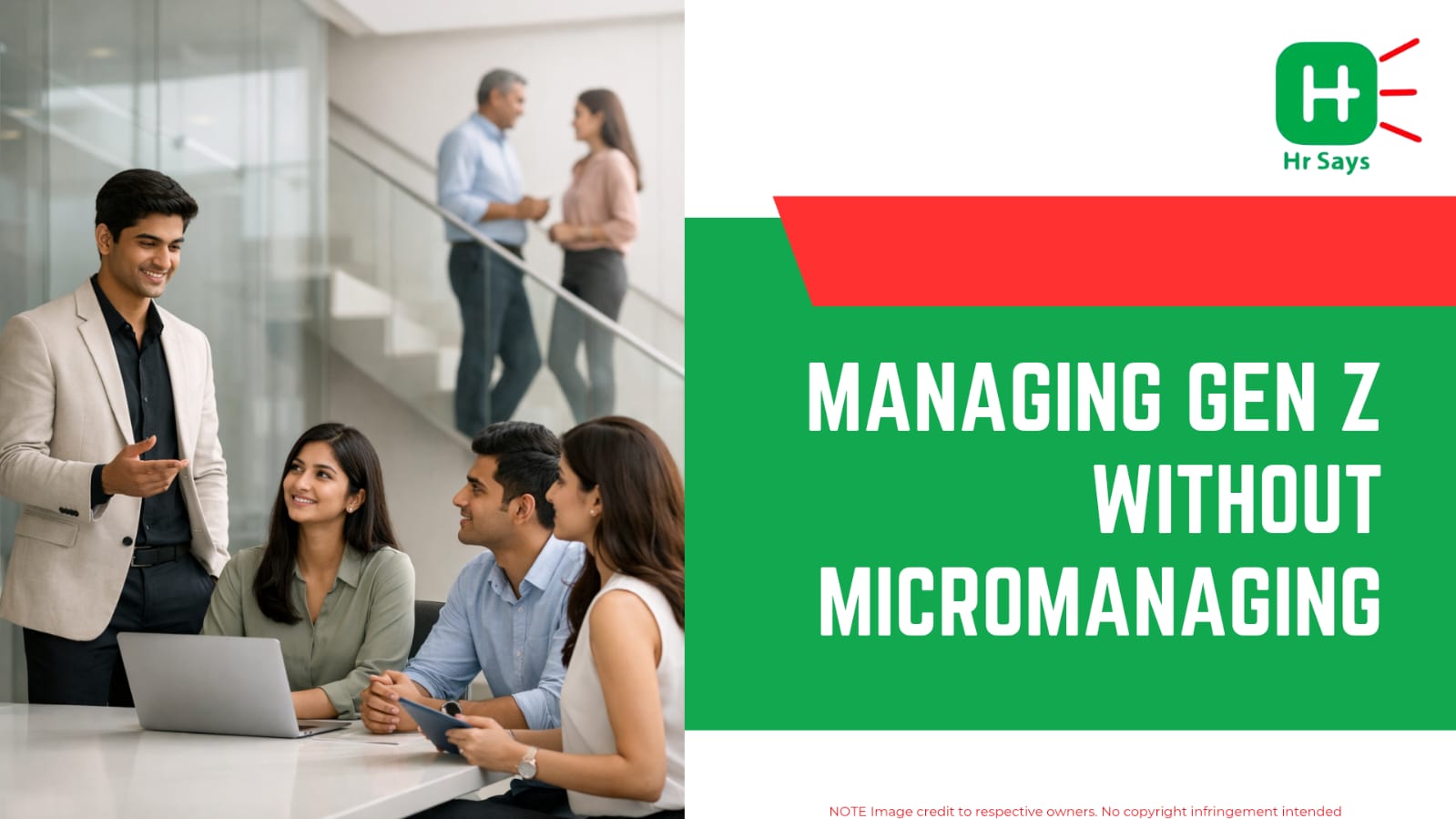
 Managing Gen Z without micromanaging requires trust, clear expectations, and open communication. By focusing on outcomes, skill development, and collaborative leadership, managers can create workplaces where younger employees feel empowered, engaged, and motivated to perform.




Silently, there is a rearrangement in workplace around the world. Gen Z-ers are entering teams with new demands regarding flexibility, autonomy and purpose. Many managers struggle with balancing between providing instructions and letting people soar. The struggle to know how to manage the Gen Z generation without having to micromanage it is becoming a prerequisite leadership requirement.
Understanding What Gen Z Actually Values At WorkThe idea of Gen Z at work tends to stagnate on stereotypes. Other individuals claim a lack of discipline. Still others claim to rebel against the authority. The pattern in the real life appears to be somewhat different. Old-fashioned ways of management are met with what appears to be resistance.
The gen Z has been raised in the world that is connected, works on digital teams, and has access to information in real-time. Due to it, they tend to desire independence immediately rather than gaining it and gradually gaining it during their lives.
Several workplace values tend to be prioritized by this generation:
- Clear purpose in the work they do
- Open communication with leadership
- Flexible work environments
- Opportunities for skill development
- Trust rather than constant supervision
People lose their way when such expectations are not met. Micromanagement is particularly crippling at those times. There is the feeling of not being trusted as all the decisions are being watched.
Leaving people without any instructions is also enough to disorient them. You need a balanced setup. Give what is expected but leave it up to the employee how things should be on a daily basis.
The current trends in leadership, such as empowering the employees, a digital working atmosphere, shared management are beginning to bridge that gap. Gen z connects with this when they feel their opinion is heard and they are viewed as collaborators and not as minions.
When managers make modifications to their style they usually see productivity increase by itself.
Practical Ways To Lead Gen Z Without MicromanagingMicromanagement is hardly ever initiated with ill intentions. It is typically about deadline stress, performance or responsibility. However; with more continuous observation of every move, inspiration palls out gradually.
There are actual steps that you can employ in order to take a healthier route.
Set Clear Outcomes Instead Of Controlling ProcessesRather than inspecting proceedings, set down the expectation initially. When the outcome becomes obvious, people are able to choose their own route to do it.
That holds people responsible and at the same time provides them with freedom.
Encourage Transparent CommunicationGen Z prefers swift and direct communication to a hard structure. There is no problem with questions, and the feedback is exchanged frequently.
Attempts at quick check-ins are normally more effective than unremitting observation.
Focus On Skill DevelopmentLearning opportunities are highly valued by younger professionals. Managers who support professional development often see stronger engagement.
Useful approaches include:
- Offering mentorship conversations
- Encouraging online learning platforms
- Allowing employees to experiment with new tools
When growth is supported, loyalty and motivation often follow.
Use Technology For Collaboration, Not ControlDigital project management tools are widely used in modern workplaces. However, they should not be turned into surveillance systems.
Instead, tools like task boards, shared documents, and team chat channels should be used to increase transparency and collaboration.
Build Trust Through ResponsibilityTrust is rarely created through strict supervision. It is built when responsibility is gradually given and respected.
Managers who allow room for independent decision making often see stronger problem solving skills within their teams.
ConclusionManaging Gen Z employees successfully requires a shift in mindset. Control driven leadership is slowly being replaced by trust driven leadership. When expectations are clear, communication remains open, and autonomy is respected, teams tend to become more creative, engaged, and productive.