Search Results

You searched for : PeopleManagement  

The Evolution of Modern HR Leadership in India

Modern HR leadership in India has evolved from administrative management to strategic business partnership, shaped by technology, changing workforce expectations, and the growing importance of ...
Oct 06

How Managers Influence Employee Engagement: The Leadership Connection Every HR Leader Must Understand

Managers are the most direct drivers of employee engagement. Through trust, communication, recognition, and inclusive leadership, they shape whether employees remain committed, motivated, and productive. ...
Aug 25

How to Become a Better People Manager: A Practical Guide for Indian Workplaces

This guide explains how to become a better people manager by building trust, improving communication, delegating effectively, and giving consistent feedback, tailored specifically for Indian ...
Jul 10

Managing Gen Z Without Micromanaging

Managing Gen Z without micromanaging requires trust, clear expectations, and open communication. By focusing on outcomes, skill development, and collaborative leadership, managers can create workplaces ...
Mar 13

Linking HR Metrics To Business Results

HR metrics provide valuable insights when they are linked with business performance indicators. By aligning workforce analytics with productivity, retention, and profitability goals, organizations can ...
Mar 09

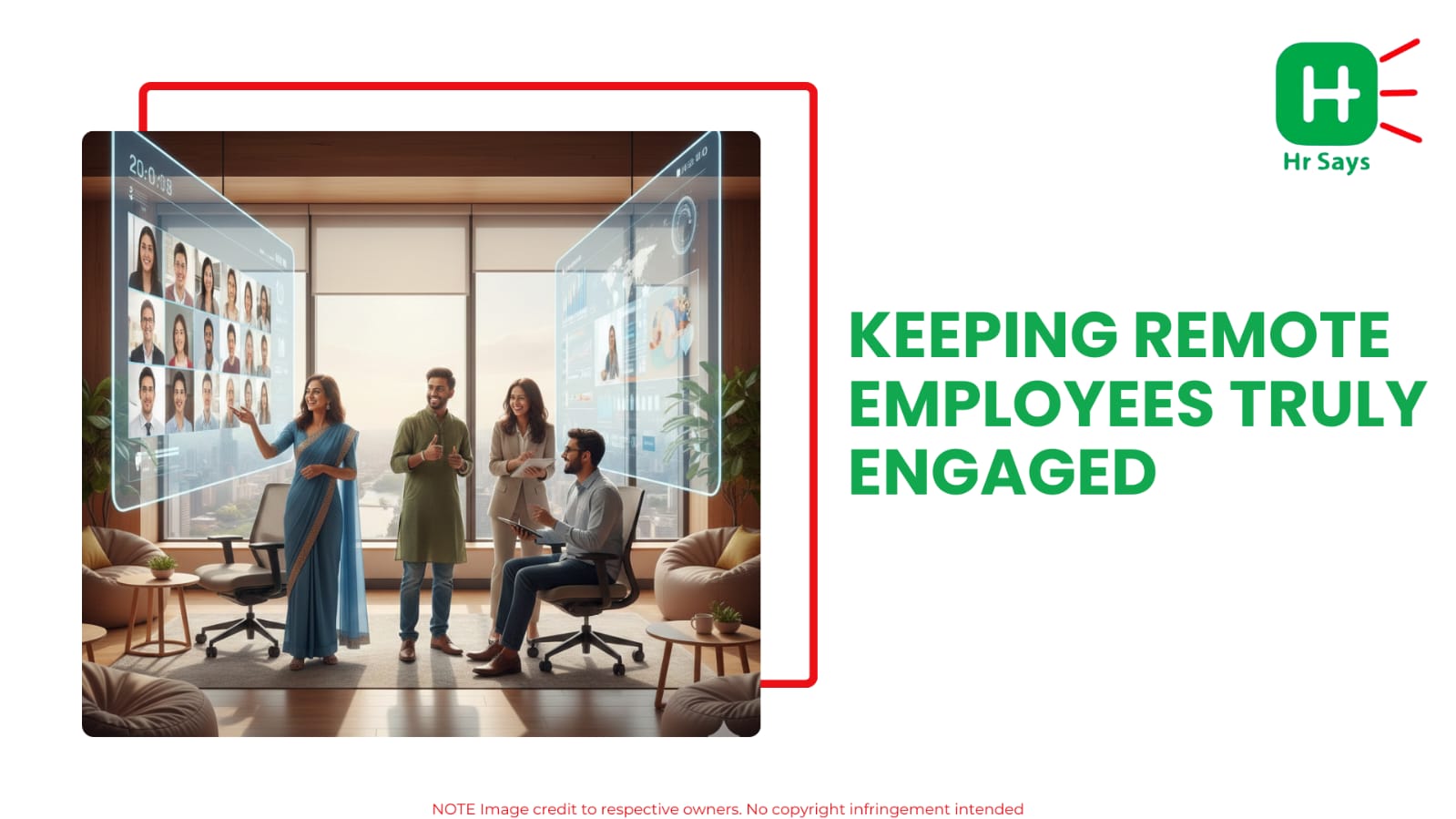
Keeping Remote Employees Truly Engaged

Remote employee engagement depends on intentional communication, trust based management, and meaningful recognition. When clarity and human connection are prioritised, distributed teams remain motivated, aligned, ...
Feb 10

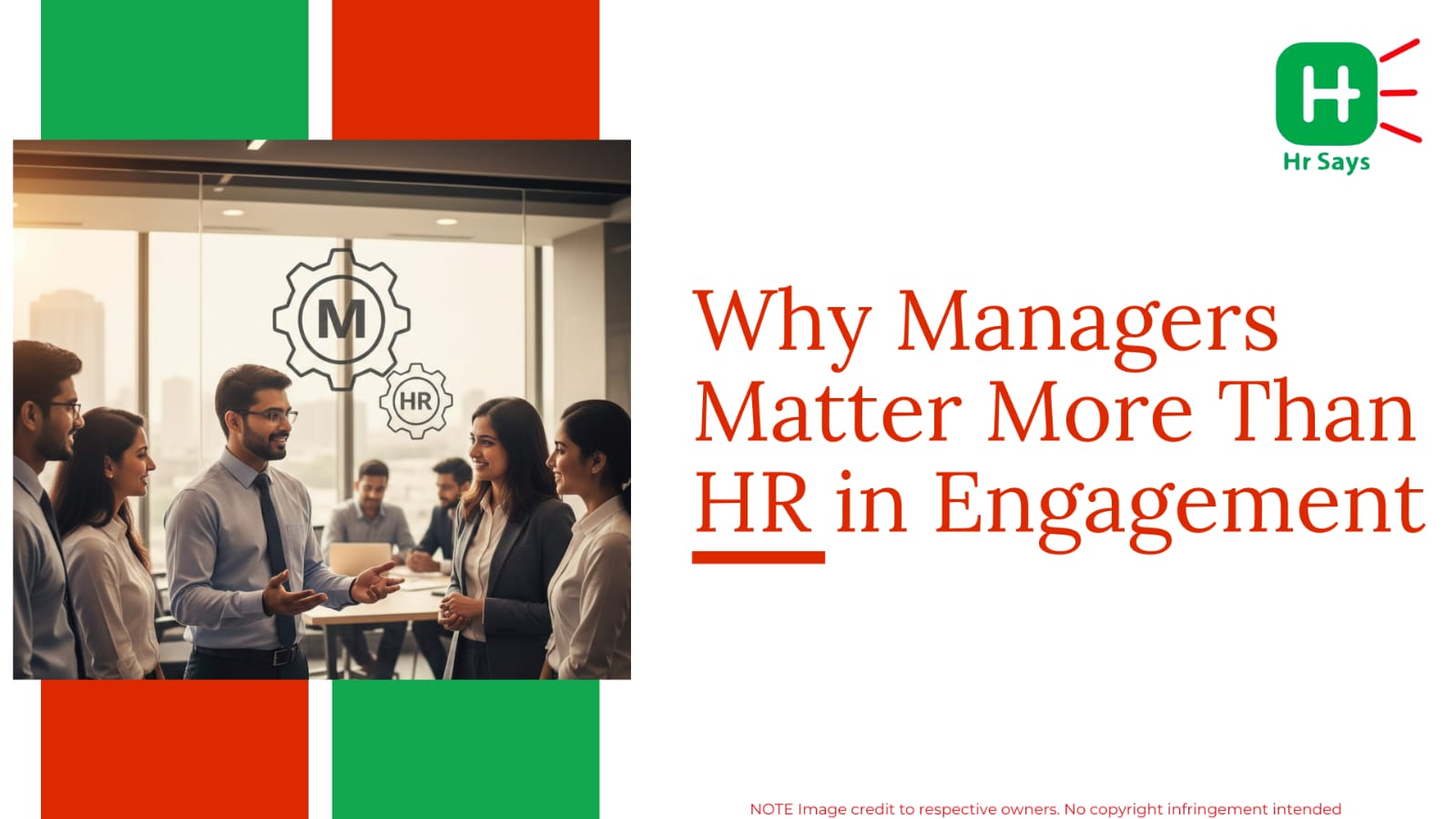
Why Managers Matter More Than HR in Engagement

Employee engagement is shaped less by HR initiatives and more by daily manager behavior. This article explains why managers hold greater influence over trust, motivation, ...
Feb 10

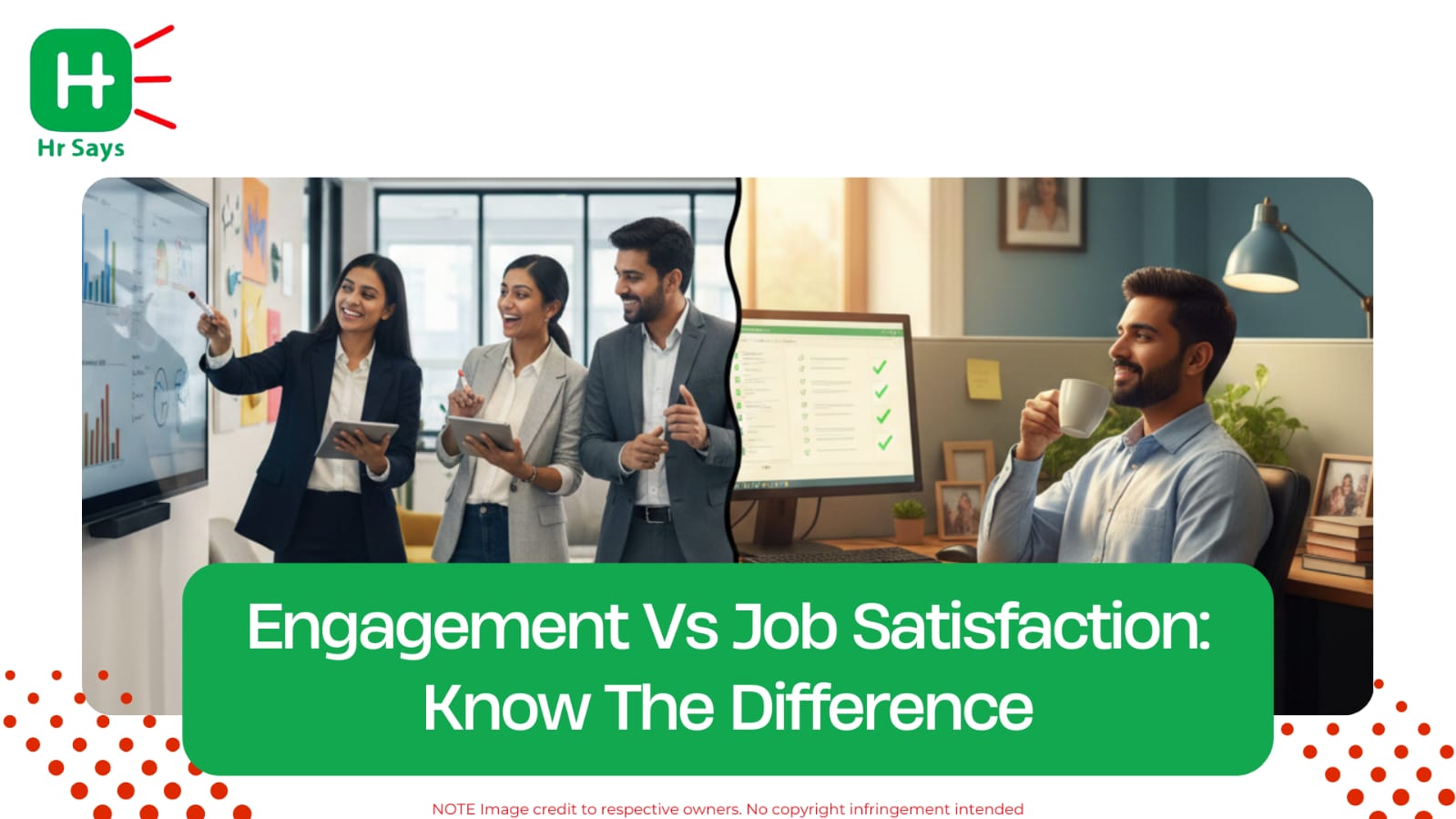
Engagement Vs Job Satisfaction: Know The Difference

Job satisfaction reflects comfort and stability, while employee engagement reflects emotional connection and involvement. Understanding the difference helps organizations balance retention, motivation, and performance in ...
Feb 10

What The Next Generation Expects From HR

The next generation expects HR to move beyond policy enforcement into culture building. Purpose, flexibility, transparency, mental health support, and inclusive growth are being valued ...
Feb 02

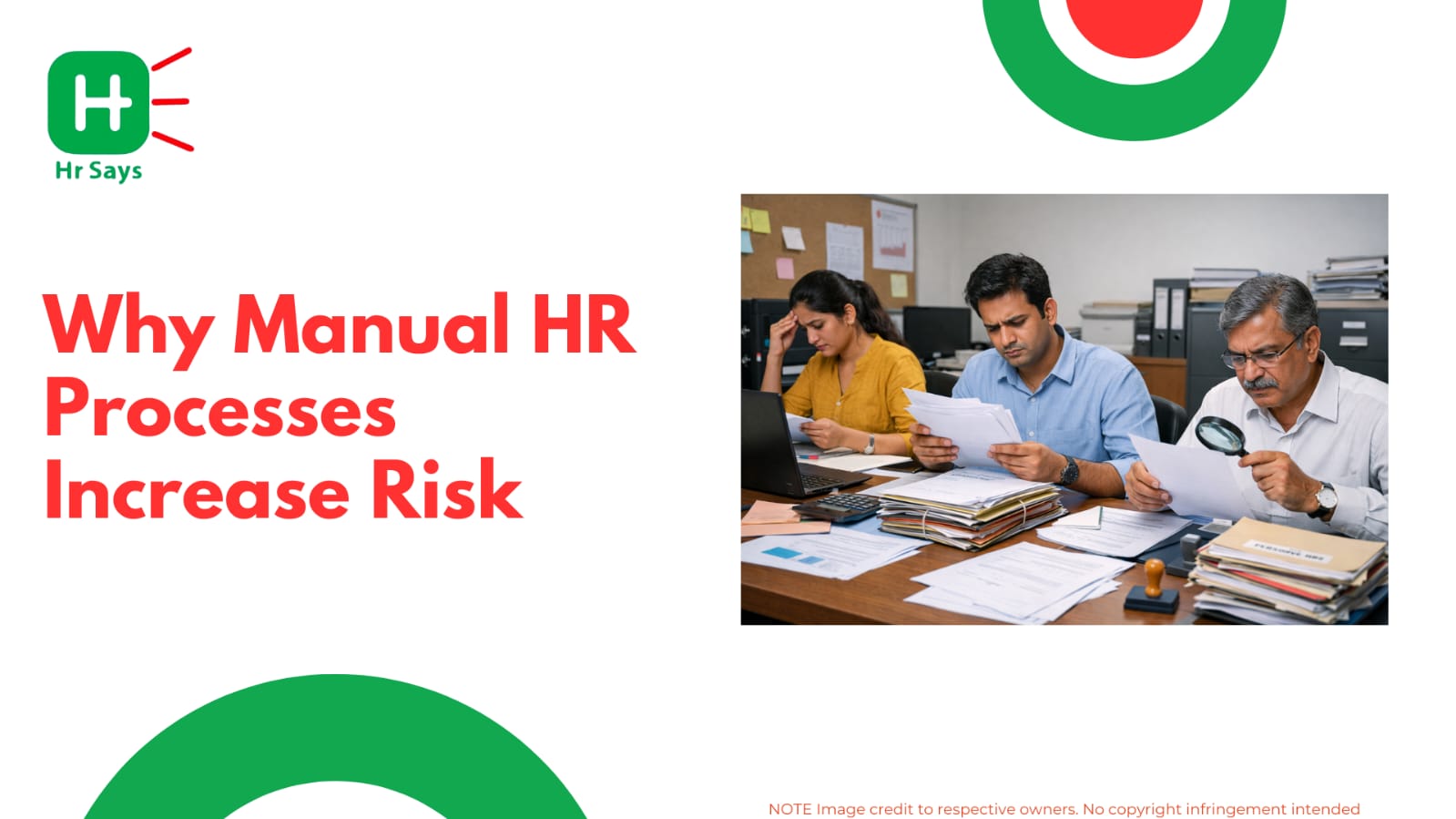
Why Manual HR Processes Increase Risk

Manual HR processes rely on human effort, fragmented data, and outdated workflows. Over time, this increases errors, compliance gaps, data security risks, and poor decision ...
Jan 28

How HR Can Standardise Without Bureaucracy

This blog explores how HR can create consistency without rigidity. By focusing on principles, outcomes, simplicity, and embedded systems, standardisation is shown as a tool ...
Jan 28

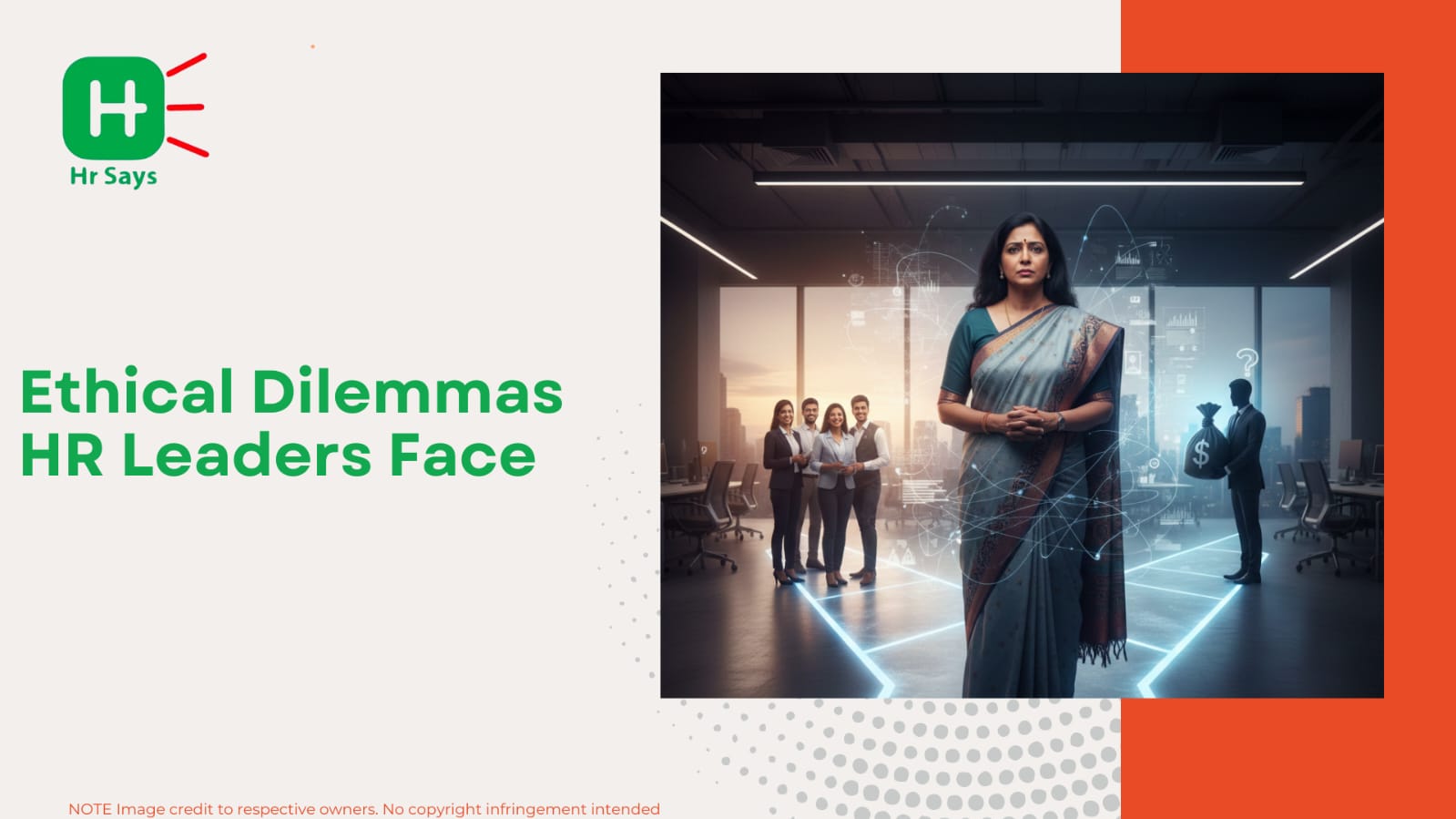
Ethical Dilemmas HR Leaders Face

HR leaders face ethical dilemmas involving privacy, fairness, power, and wellbeing. These challenges require careful judgment, empathy, and consistency. Ethical choices may be uncomfortable, but ...
Jan 23

When HR Must Challenge Management Decisions

HR must challenge management decisions when ethical, legal, or people-related risks emerge. By acting as a strategic counterbalance, HR protects employees, organizational culture, and ...
Jan 23

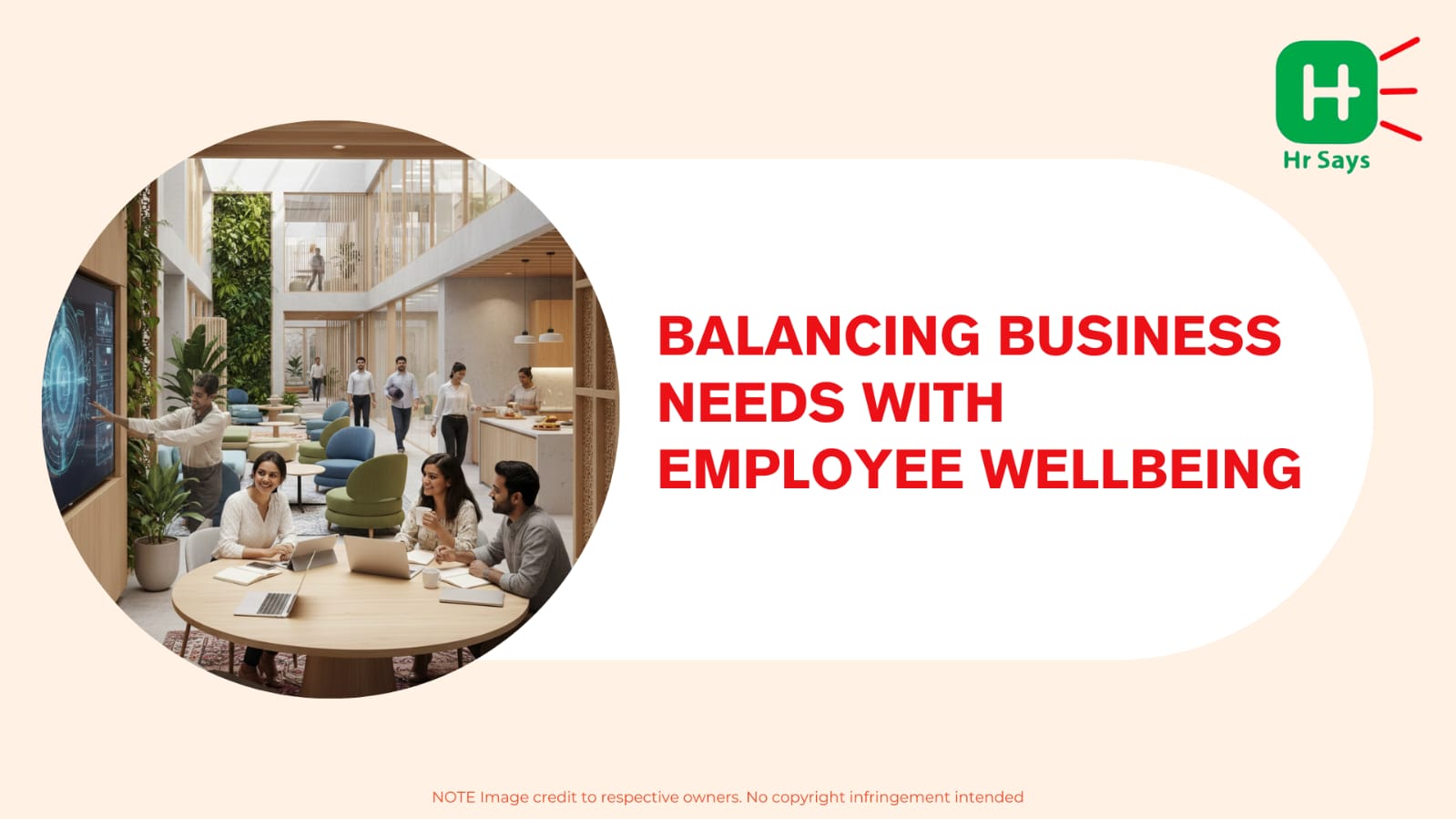
Balancing Business Needs With Employee Wellbeing

Balancing business needs with employee wellbeing requires structure, empathy, and realistic expectations. Sustainable productivity is supported through thoughtful leadership, psychological safety, and smarter workload design ...
Jan 22

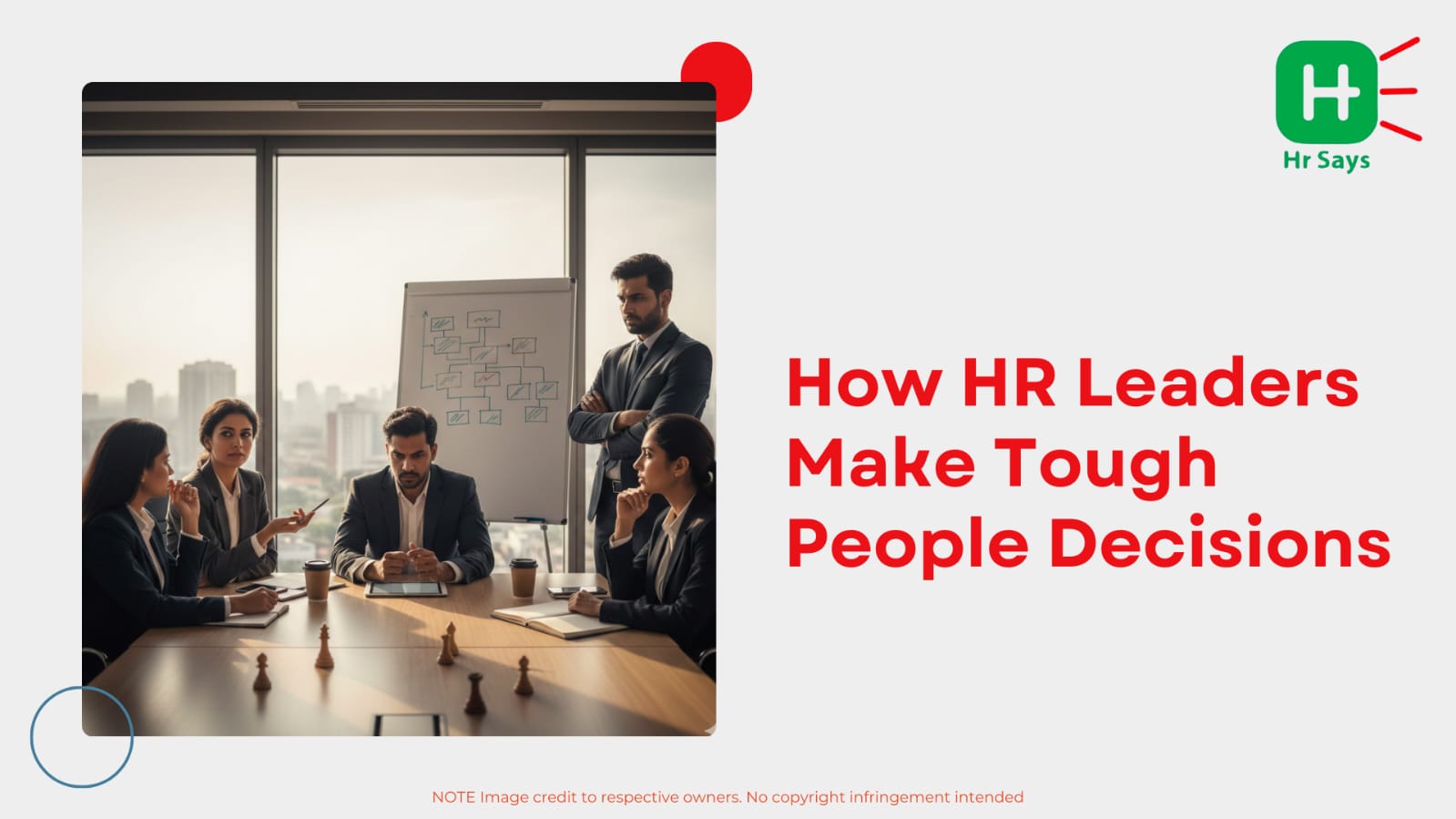
How HR Leaders Make Tough People Decisions

Tough people decisions require HR leaders to balance empathy, data, ethics, and business needs. This blog explores how clarity, consistency, and thoughtful communication guide responsible ...
Jan 22

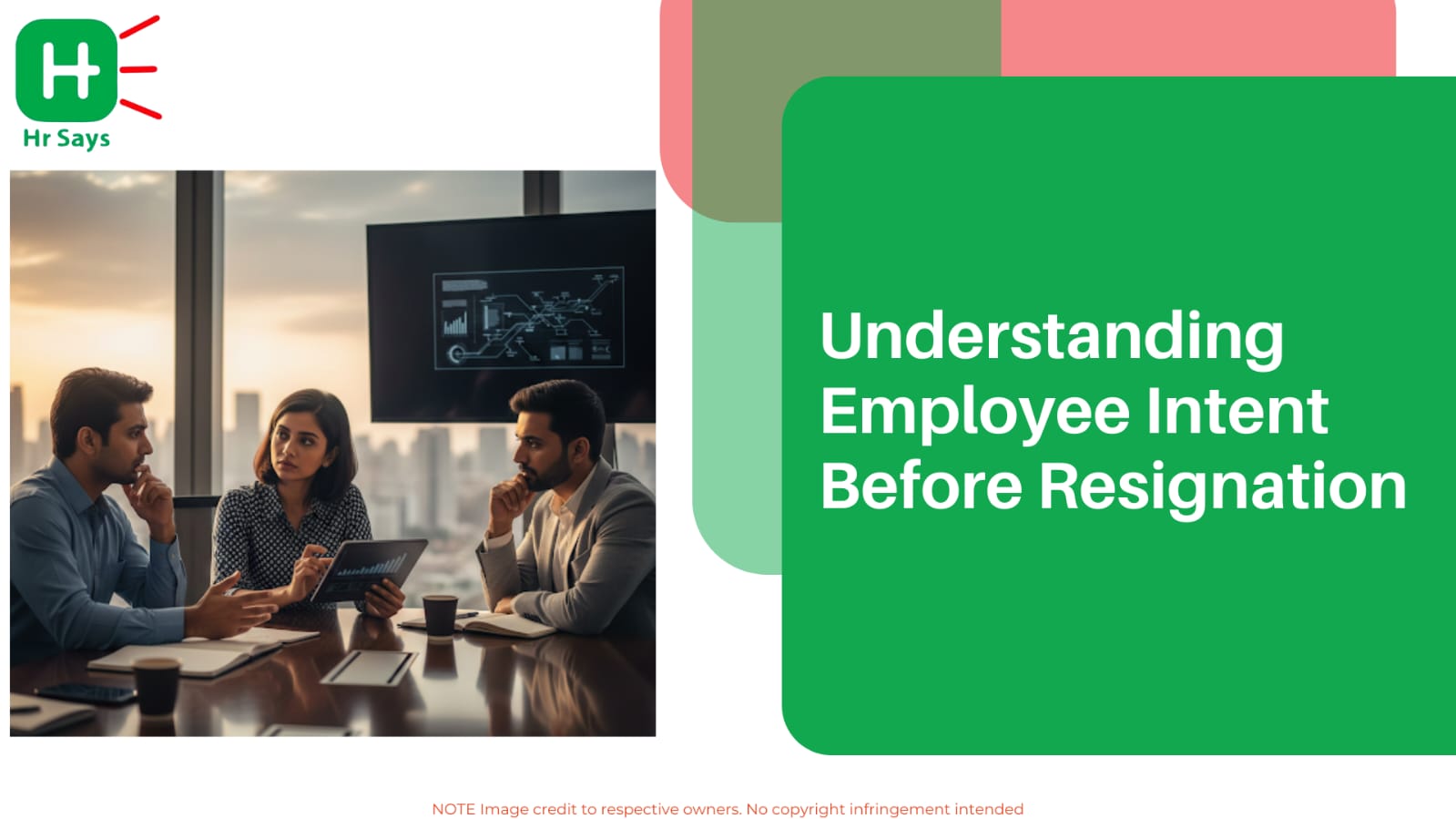
Understanding Employee Intent Before Resignation

Employee intent forms long before resignation decisions are shared. By recognizing early behavioral signals, fostering psychological safety, and engaging in meaningful dialogue, organizations can reduce ...
Jan 21

Retention Risks HR Should Identify Early

Employee attrition often begins silently through disengagement, burnout, and cultural misalignment. This blog explores early retention risks HR should monitor, highlighting subtle warning signs and ...
Jan 21

Culture Vs Convenience: Tough HR Decisions

HR decisions often balance speed and values. This blog explores how convenience can quietly weaken culture, why tough choices matter, and how clarity, consistency, and ...
Jan 16

Why Workplace Culture Breaks During Growth Phases

Workplace culture often weakens during growth due to misaligned leadership focus, rapid hiring, and over reliance on processes. This blog explores why culture erodes and ...
Jan 15

Why Culture Cannot Be Copied From Other Companies

Organizational culture cannot be replicated because it is shaped by context, people, and lived behavior. Attempts to copy culture often fail as authenticity, consistency, and ...
Jan 13

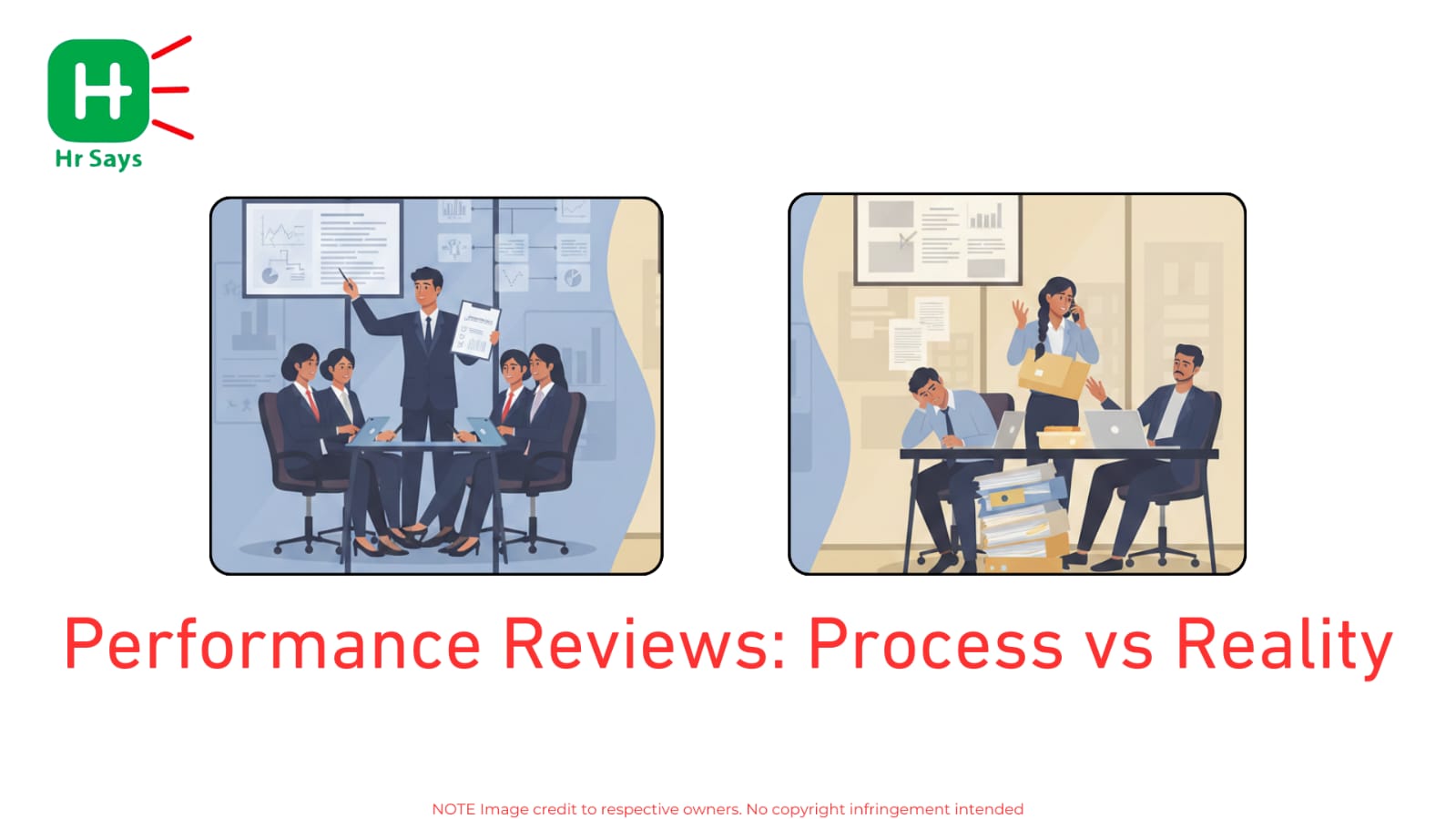
Performance Reviews: Process vs Reality

Performance reviews often promise clarity but deliver mixed experiences. This blog explores the gap between structured performance management processes and real workplace experiences, highlighting why ...
Jan 10

How HR Can Reduce Performance-Related Conflicts

Performance-related conflicts often stem from unclear expectations and delayed feedback. This blog explores how HR can reduce such conflicts through clarity, continuous communication, manager ...
Jan 10

How HR Can Make Performance Conversations Meaningful

Performance conversations become meaningful when dialogue, safety, and growth are prioritized. This blog explores how HR can redesign language, structure, and manager readiness to transform ...
Jan 09

Moving Beyond Annual Appraisals

Annual appraisals are giving way to continuous performance management. Regular feedback, flexible goals, and ongoing conversations are reshaping how performance is supported, making it more ...
Jan 09

Building Trust During Sensitive Employee Issues

Trust is tested during sensitive employee issues where emotions and uncertainty intersect. This blog explores how clear communication, aligned leadership, and consistent processes help build ...
Jan 08

25 Matching result(s) found!

-Advertisements-

Trending Now

Phased Return-to-Work Planning After Extended AbsenceNovember 16, 2026
Workforce Capacity Planning for Business ExpansionNovember 16, 2026
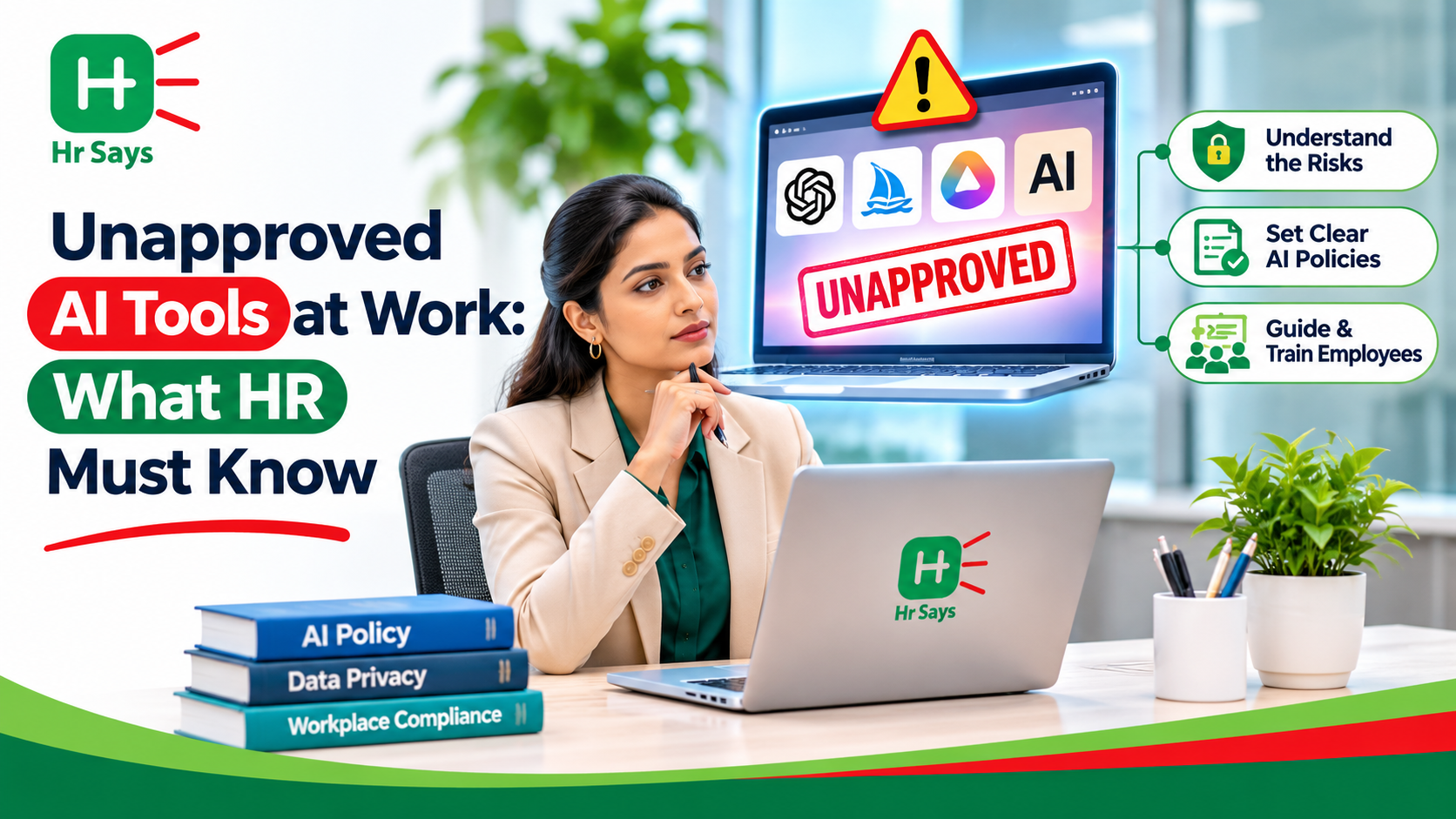
Unapproved AI Tools at Work: What HR Must KnowNovember 14, 2026
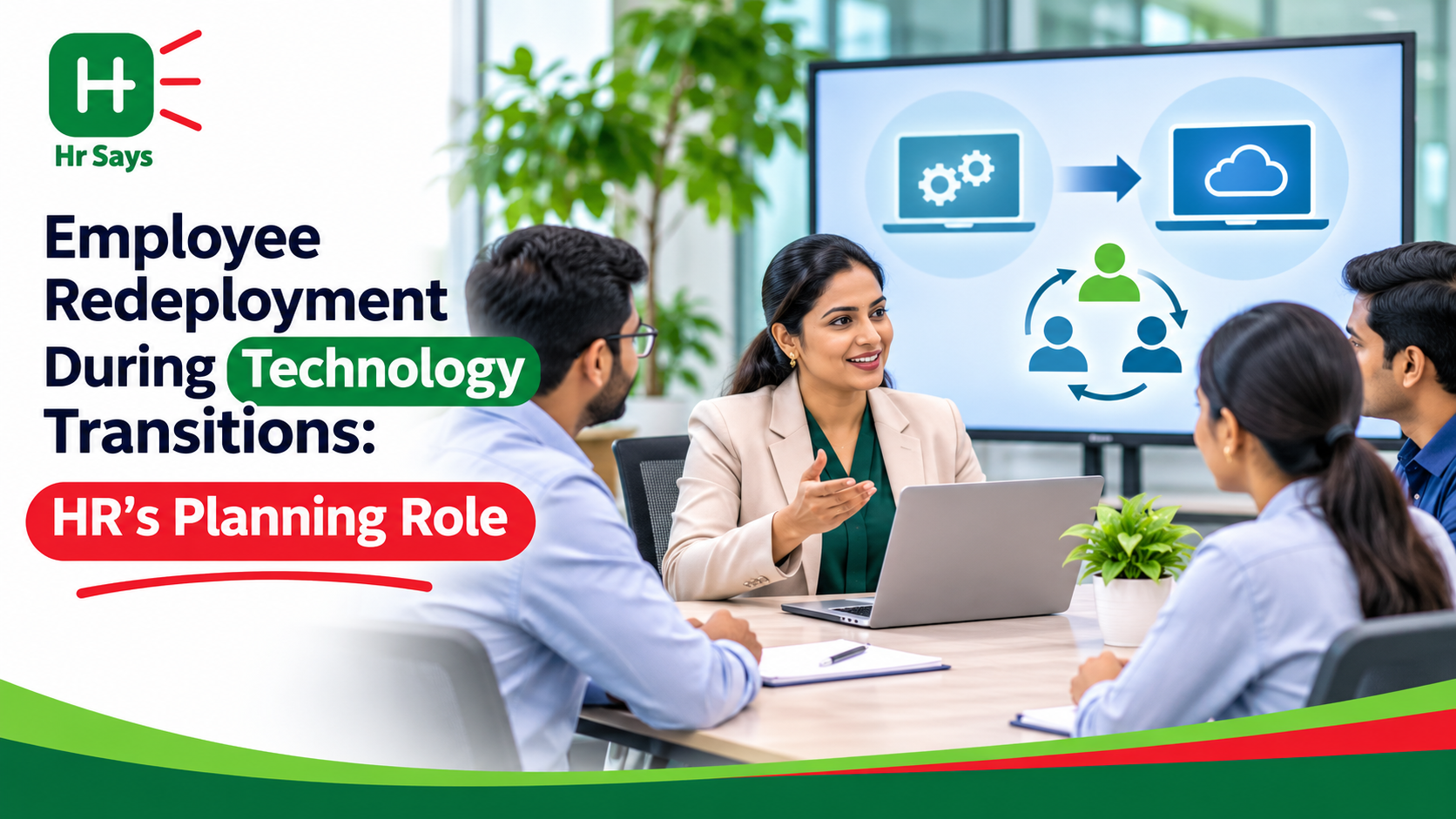
Employee Redeployment During Technology Transitions: HR's Planning RoleNovember 14, 2026
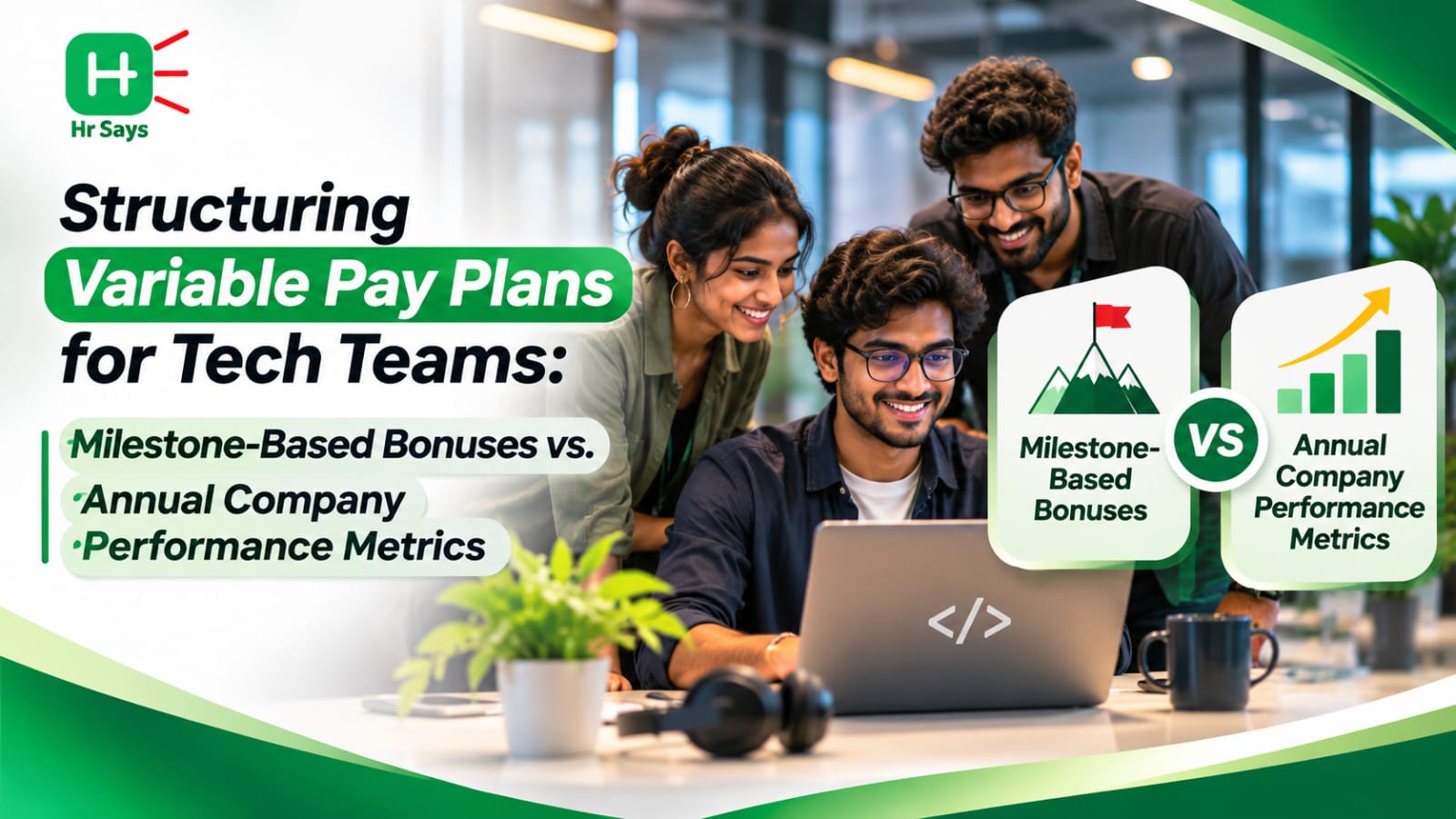
Structuring Variable Pay Plans for Tech Teams: Milestones vs Annual MetricsNovember 14, 2026
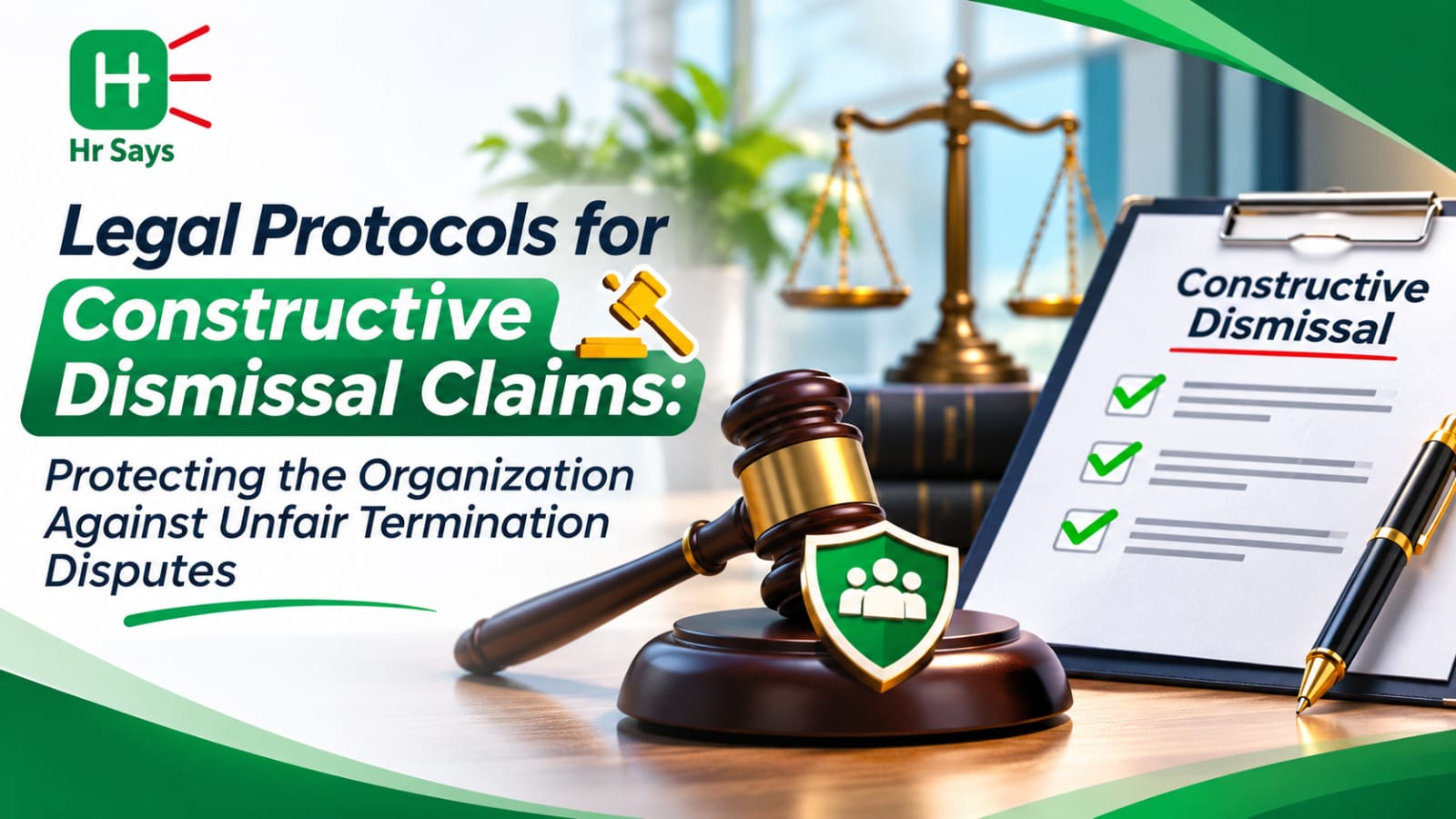
Constructive Dismissal Legal Protocols: Employer Defense & Risk GuideNovember 14, 2026
Managing Toxic High Performers: Separation, Risk & CultureNovember 14, 2026
Designing Inclusive DEI Policies: Sensitization, Pronouns & BenefitsNovember 14, 2026
Auditing Employee BGV: Discrepancies, Ghost Experience & Fake CredentialsNovember 14, 2026
Pay Compression: Why New Hires Earn More Than VeteransNovember 13, 2026
How HR Can Use Job Evaluation Committees to Support Consistent Role GradingNovember 13, 2026
Workforce Segmentation: Identify Different Employee NeedsNovember 12, 2026
Designing an Employee Referral Programme With Clear Rules and MeasuresNovember 12, 2026
Annual Benefits Enrolment: How HR Can Explain Employee Options ClearlyNovember 11, 2026
How to Build a Skills Inventory Across Your OrganisationNovember 11, 2026
How to Measure the ROI of AI in HR EffectivelyNovember 10, 2026
Building a Structured Internal Transfer Policy for Growing OrganisationsNovember 10, 2026
Sales Incentive Compensation Plan: A Complete GuideNovember 06, 2026
Employee Relocation Support: What HR Should Plan for Multi-Location MovesNovember 06, 2026
What Is Skills-Based Workforce Planning?November 05, 2026