Saturday, October 24, 2026
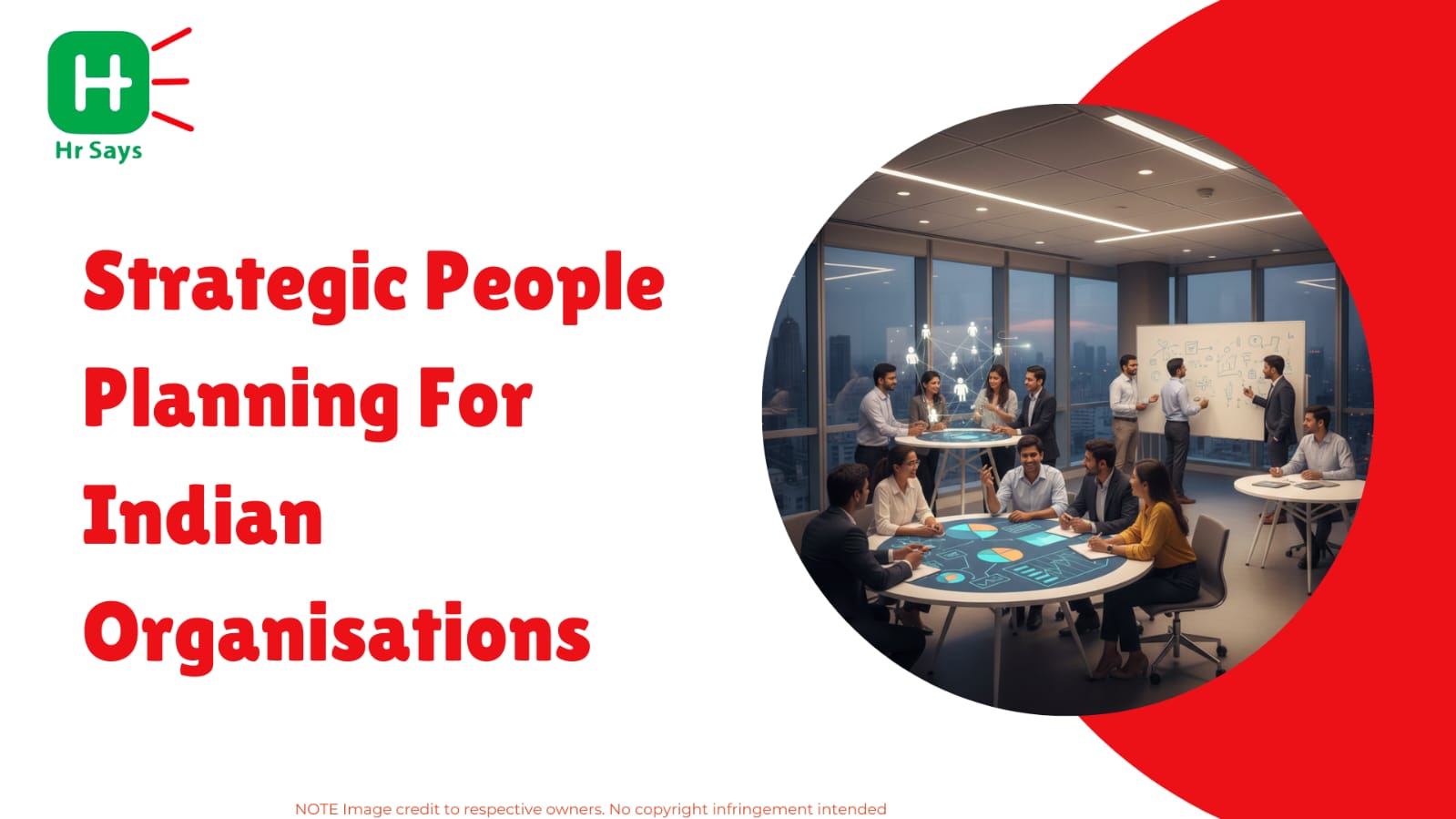
 Strategic people planning helps Indian organisations align workforce capabilities with long-term
goals. By forecasting demand, addressing skill gaps, and integrating HR with business strategy,
workforce decisions are made more resilient and future-ready.
Strategic people planning helps Indian organisations align workforce capabilities with long-term
goals. By forecasting demand, addressing skill gaps, and integrating HR with business strategy,
workforce decisions are made more resilient and future-ready.




Wholesale changes are being made to workforces in India. The growth targets are being recast, the skills are getting older and the employee expectations are changing. People planning is now no longer helpful in this space. It is being considered as a business strategic lever that is of close relationship with business survival.
Understanding Strategic People Planning In India
The procedure of future workforce demands is forecasted and consistent with long-range business requirements is known as strategic people planning. Rapid changes in the market, demographic diversity and regulatory frameworks in Indian organisations tend to influence this planning.
Decisions of people are not reacted to anymore. Supply of talent, availability of skills and the evolution of role are being mapped in advance. It has been observed that there has been a transition between headcount planning to capability planning.
Key focus areas include:
● Workforce forecasting aligned with business strategy
● Identification of critical roles and future skills
● Balanced planning across permanent, contract, and gig talent
● Cost optimization without capability loss
Why Indian Organisations Can No Longer Ignore It
Business expansion in India is frequently unpredictable. Market volatility, digital disruption, and global competition have increased pressure on leadership teams. Without structured people planning, growth is often slowed by talent shortages or inflated workforce costs.
In many organisations, people planning has been treated as an annual HR exercise. That approach is now proving insufficient. Planning is being embedded into quarterly reviews and strategic discussions.
The following challenges are commonly addressed through strategic planning:
● High attrition in key roles
● Skill gaps in digital, analytics, and leadership
● Misalignment between hiring and actual business demand
● Productivity loss due to role redundancy
Core Elements Of An Effective People Plan
Workforce Demand Forecasting
Future demand is estimated based on business growth, technology adoption, and market trends. Scenario planning is often used to prepare for multiple outcomes.
Skill Mapping And Gap Analysis
Existing skills are assessed against future requirements. Reskilling and upskilling initiatives are then prioritized instead of excessive hiring.
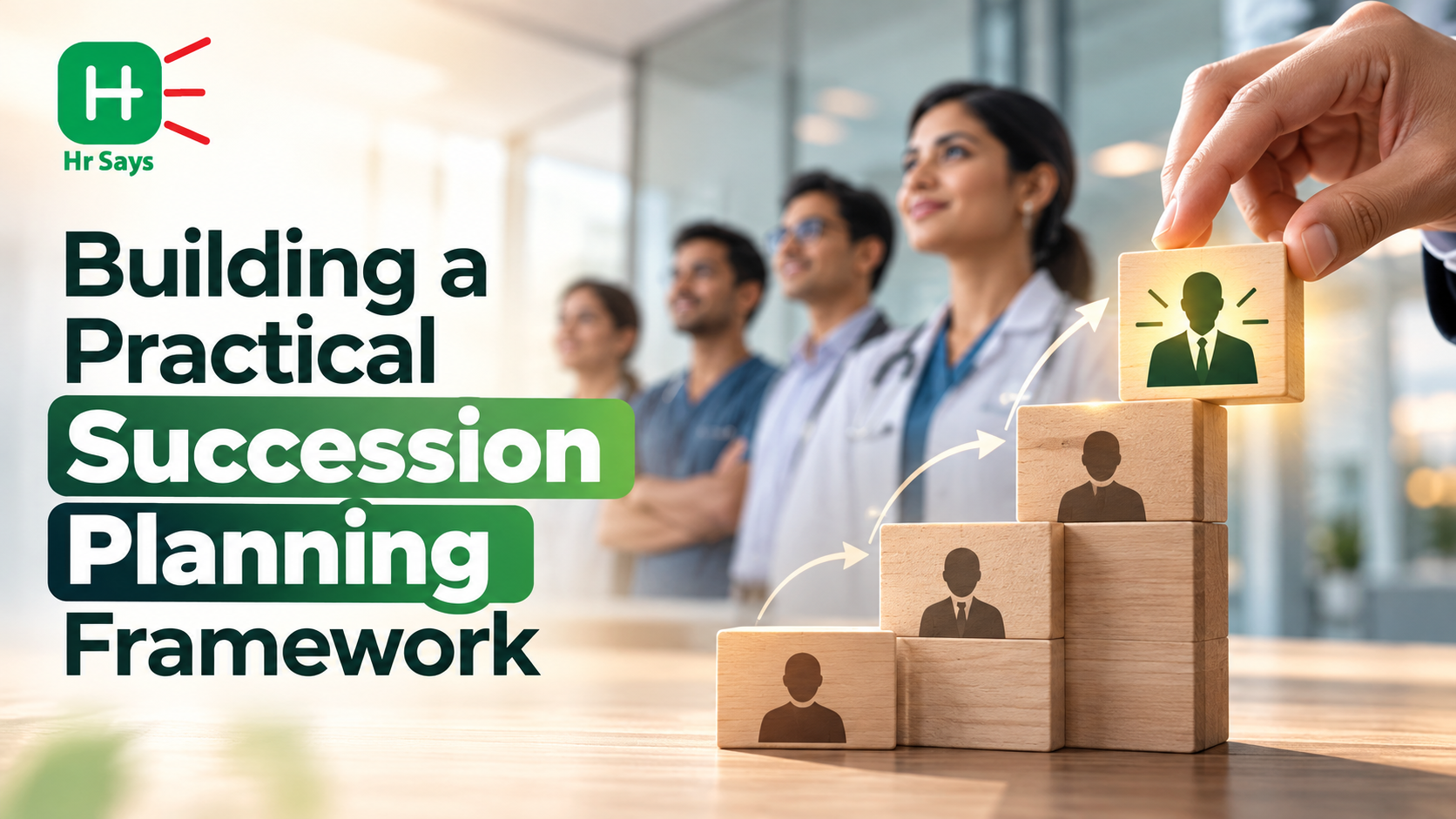
Succession And Leadership Planning
Critical roles are identified early. Internal talent pipelines are developed to reduce dependency on external hiring.
Flexible Workforce Model
Indian organisations are increasingly using hybrid models. Full-time employees, consultants, and gig workers are blended based on project needs.
Role Of HR And Leadership Alignment
Strategic people planning cannot be owned by HR alone. Business leaders are expected to actively participate. Decisions related to expansion, automation, or restructuring are supported by people data.
HR teams are being repositioned as workforce advisors. Analytics, workforce dashboards, and predictive insights are now being used to influence decisions rather than record them.
This alignment helps ensure that:
● Hiring supports revenue goals
● Talent investments show measurable returns
● Workforce risks are identified early
Moving From Planning To Execution
A plan is only as useful as its execution. In Indian organisations, execution gaps often arise due to resistance to change or limited data maturity. These gaps are being addressed gradually.
Clear communication, phased implementation, and leadership accountability are being emphasized. Small wins are used to build confidence across teams.
Strategic people planning is not a one-time activity. It is being treated as a living process that evolves with the business.
Conclusion
People planning in India is being redefined as a strategic discipline rather than an administrative task. Organisations that plan their workforce with intent are being better prepared for uncertainty, scale, and sustainable growth.