 Saturday, October 24, 2026

 The HR landscape in India for 2025 centers on AI adoption, smarter hybrid work, skill-based hiring, and stronger DEI efforts. Human-centric strategies supported by data and empathy define the next phase of organizational growth.





What actually will transform in the inner world of Indian workplaces in 2025? The solution is not in the hybrid time schedules and online boards. The changing employee expectations, the adoption of AI at a fast rate, and the increased demand to be involved and healthy are transforming Human Resources.
The HR role is no longer dependent on hiring and payroll. It is all about the development of human centered systems that match technology to caring, strategy to malleability and performance to purpose.
The Rise of AI-Powered HR Systems
AI is adapting the recruitment and training of employees as well as their retention. Google is implementing machine learning through recruitment systems that recommend and approve talented employees, among other systems, warehousing predictive analytics.
AI helps in:
● Screening candidates with skill-based assessments
● Automating repetitive HR operations
● Tracking employee sentiment through AI analytics
● Personalizing learning and development journeys
However, HR leaders are also emphasizing “human touch” alongside automation. The focus in 2025 is on ethical AI, ensuring fairness, data privacy, and transparency.
Employee Experience Becomes the Core Strategy
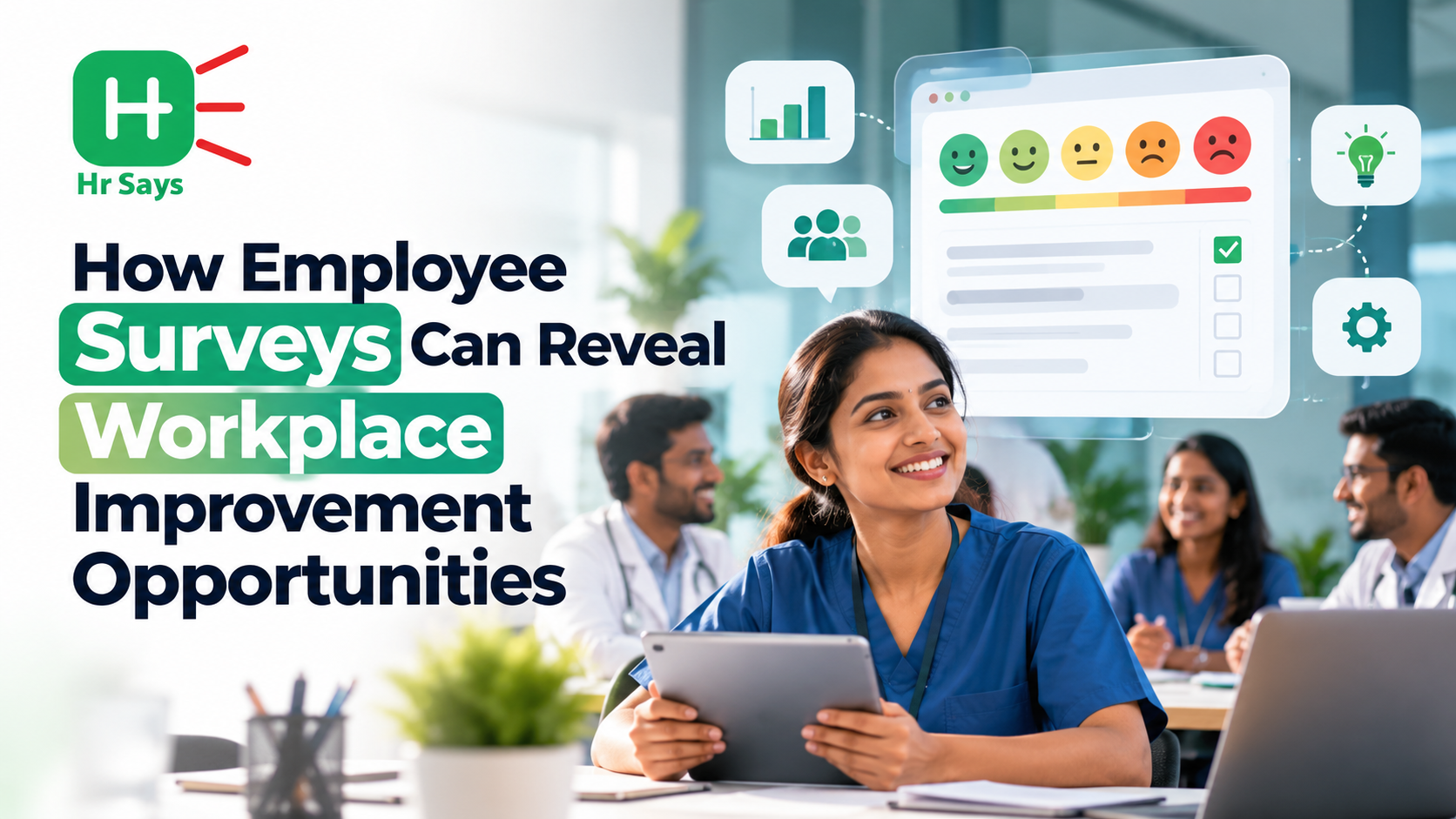
Gone are the days when employee satisfaction surveys were enough. Now, “employee experience” defines workplace culture. In 2025, HR teams are investing in real-time feedback tools, flexible benefits, and meaningful recognition programs.
This shift aims to create an environment where employees feel seen and supported. Personalized engagement plans, digital onboarding, and mental health resources are being prioritized across industries.
A strong employee experience strategy directly influences retention, productivity, and brand reputation.
Hybrid Work Gets Smarter
Hybrid work isn’t new—but it’s getting smarter. Companies are designing hybrid policies around productivity data, collaboration patterns, and employee well-being rather than fixed schedules.
Organizations are also reimagining:
● Office spaces for purposeful in-person interaction
● Remote collaboration platforms
● Work-life balance models focused on outcomes, not hours
HR departments are developing policies that maintain inclusivity for both remote and onsite employees, ensuring fairness in promotions and opportunities.
Skill-Based Hiring and Upskilling
Skill-based hiring has emerged as a key HR trend in India for 2025. Recruiters are shifting away from degrees and focusing on capabilities. The talent market now values reskilling and upskilling programs to stay relevant in AI-driven industries.
Learning platforms, micro-courses, and internal mobility programs are being integrated into HR strategies. This move supports both company growth and employee empowerment.
The result: agile teams that can quickly adapt to market shifts.
Focus on Diversity, Equity, and Inclusion (DEI)
Indian organizations are taking DEI more seriously than ever before. In 2025, HR departments are embedding diversity goals into business strategies, ensuring representation at every level.
Efforts are being made to:
● Build inclusive hiring pipelines
● Promote pay equity
● Create gender-neutral policies
● Encourage inclusive leadership training
Diversity is no longer a checkbox—it’s a cultural advantage driving innovation and trust.
The Growing Role of HR Analytics
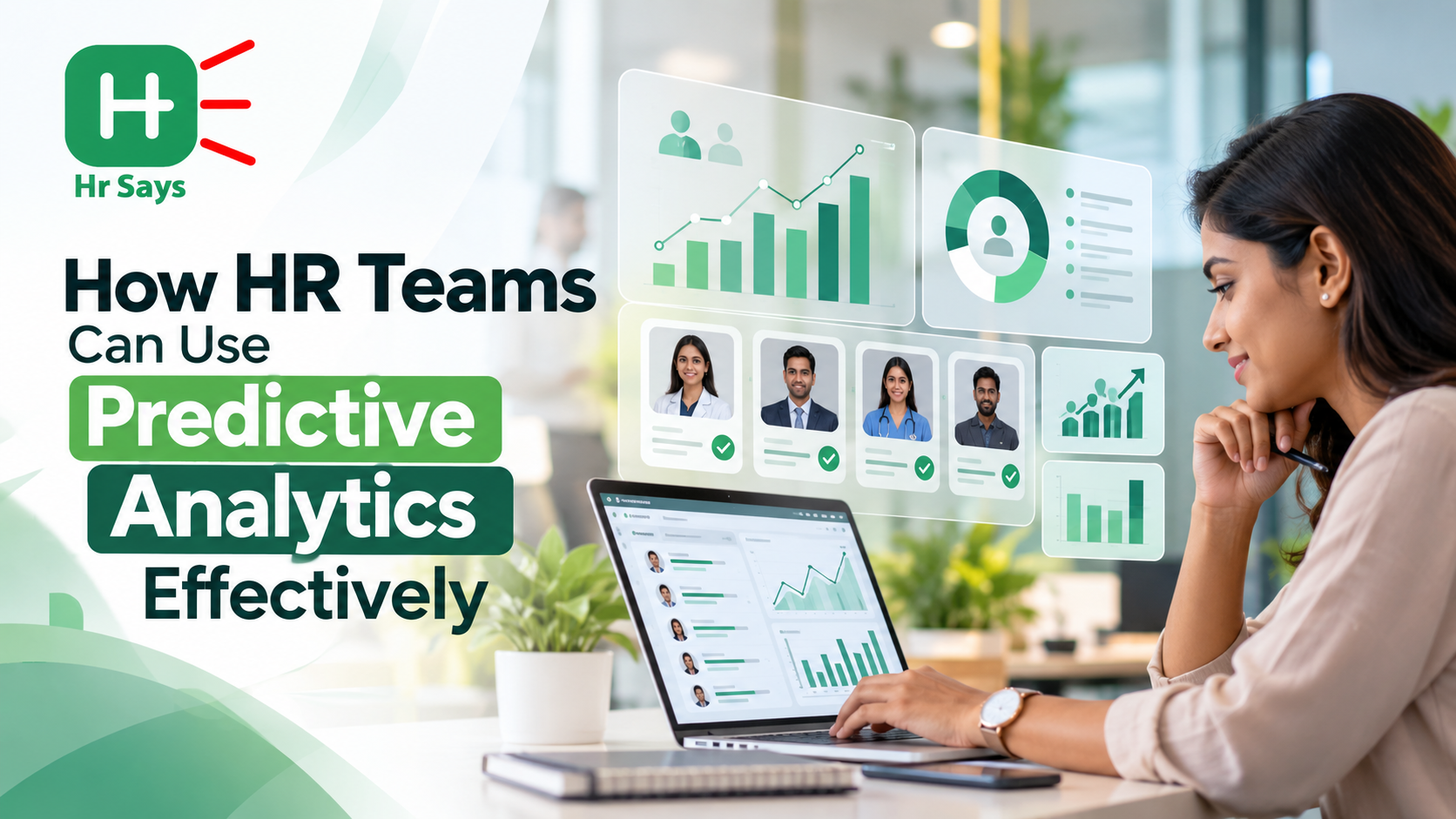
Data-driven decision-making is reshaping HR. Through HR analytics, companies can identify turnover risks, measure engagement, and track training ROI.
Real-time dashboards allow HR leaders to predict workforce trends and adjust strategies instantly. In 2025, data is not just informing HR—it’s defining it.
Conclusion
As Indian workplaces evolve, HR’s role grows deeper and more strategic. From AI integration to human-centered design, the focus is shifting toward balance—between technology and empathy, growth and wellbeing.
The future of HR in 2025 will belong to organizations that listen, adapt, and innovate without losing their human core.