Saturday, October 24, 2026
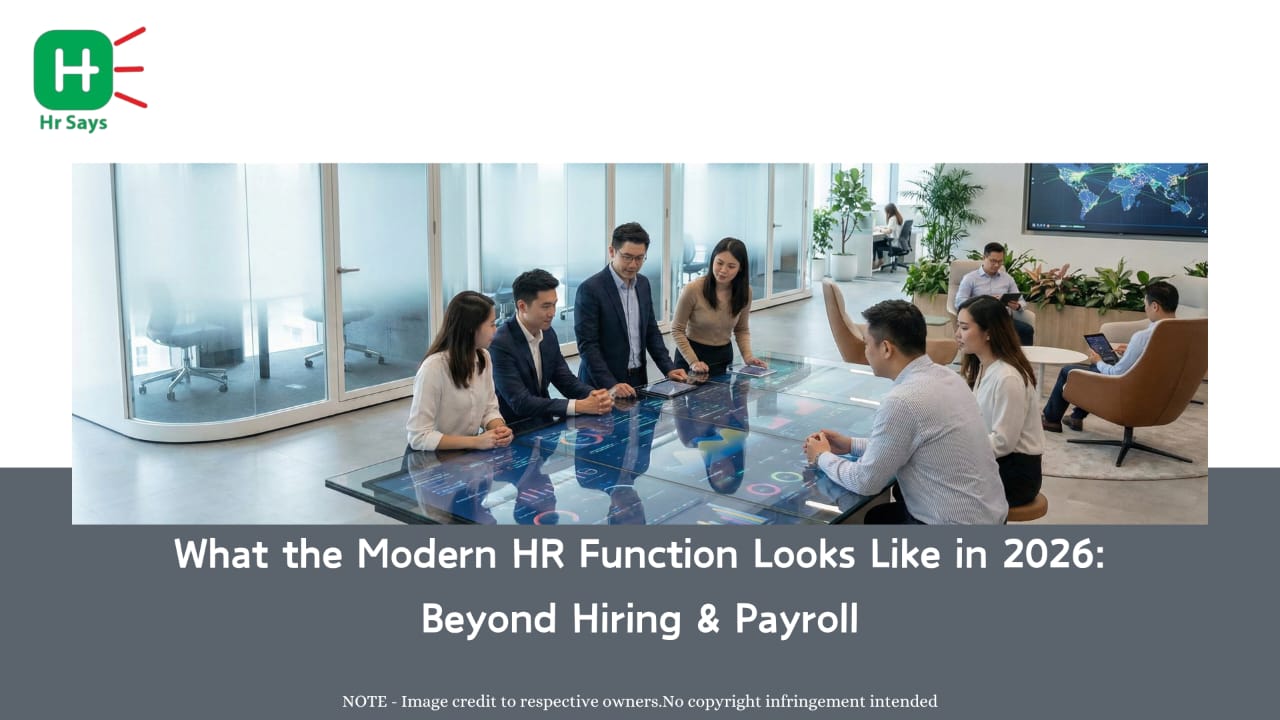
 The modern HR function in 2026 integrates strategy, technology, and empathy. Beyond
recruitment and payroll, it focuses on employee experience, upskilling, and data-driven
decisions that drive business transformation and sustainable workforce growth.
The modern HR function in 2026 integrates strategy, technology, and empathy. Beyond
recruitment and payroll, it focuses on employee experience, upskilling, and data-driven
decisions that drive business transformation and sustainable workforce growth.




Is HR merely that of recruitment and pay slips? Not anymore. Technology, strategy and people-first thinking redefine the HR landscape in 2026. It is not a support operation anymore, it is a growth, culture and innovation driver.
The Shift from Administration to Strategy
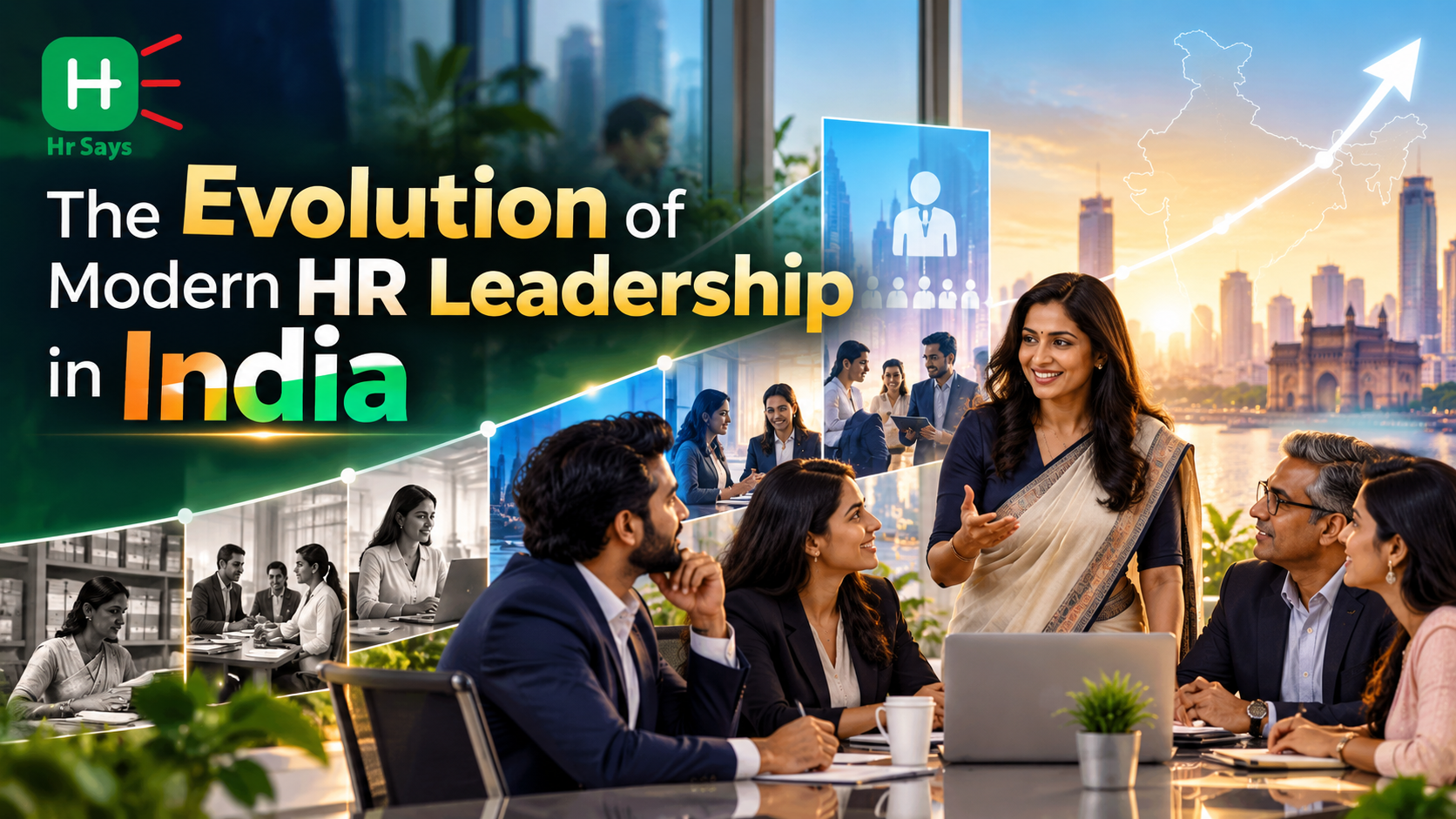
HR now has gotten way beyond its traditional scope. What used to be all about recruitment, work attendance and payroll has turned into development of reactive, data-driven, and welcoming workplaces. Contemporary human resource practitioners are emerging change agents of the company.
They focus on aligning human capital with business objectives, supported by digital tools and analytics. The modern HR function is built around three key pillars:
● Talent management and retention
● Employee experience and engagement
● Technology-driven HR operations
These focus areas enable HR teams to anticipate workforce needs rather than simply respond to them.
Technology at the Core of HR Transformation
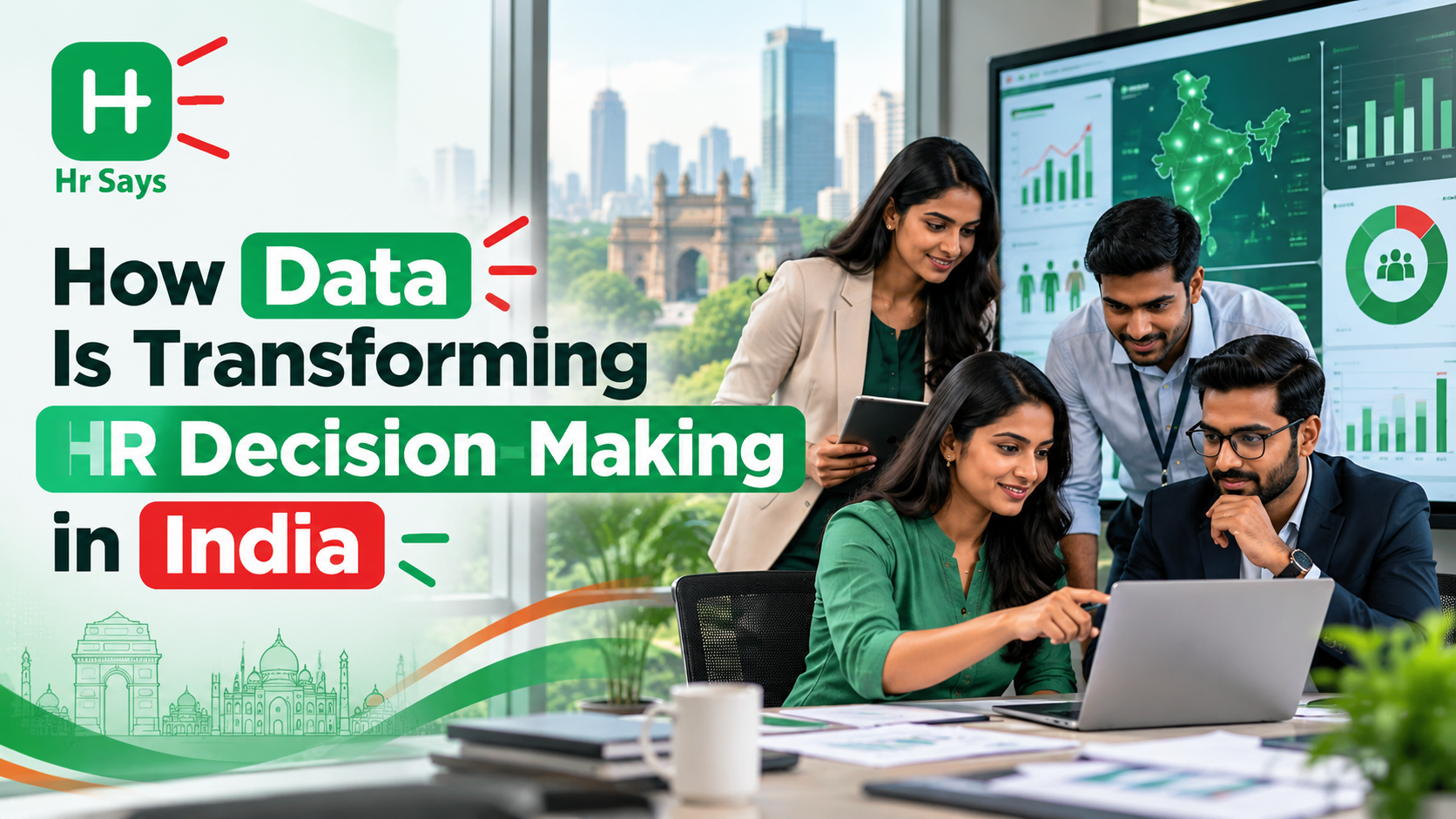
Automation and AI have become essential parts of HR systems in 2026. Tasks such as performance tracking, onboarding, and workforce analytics are managed through smart HR software. This shift allows professionals to spend more time on strategic decisions.
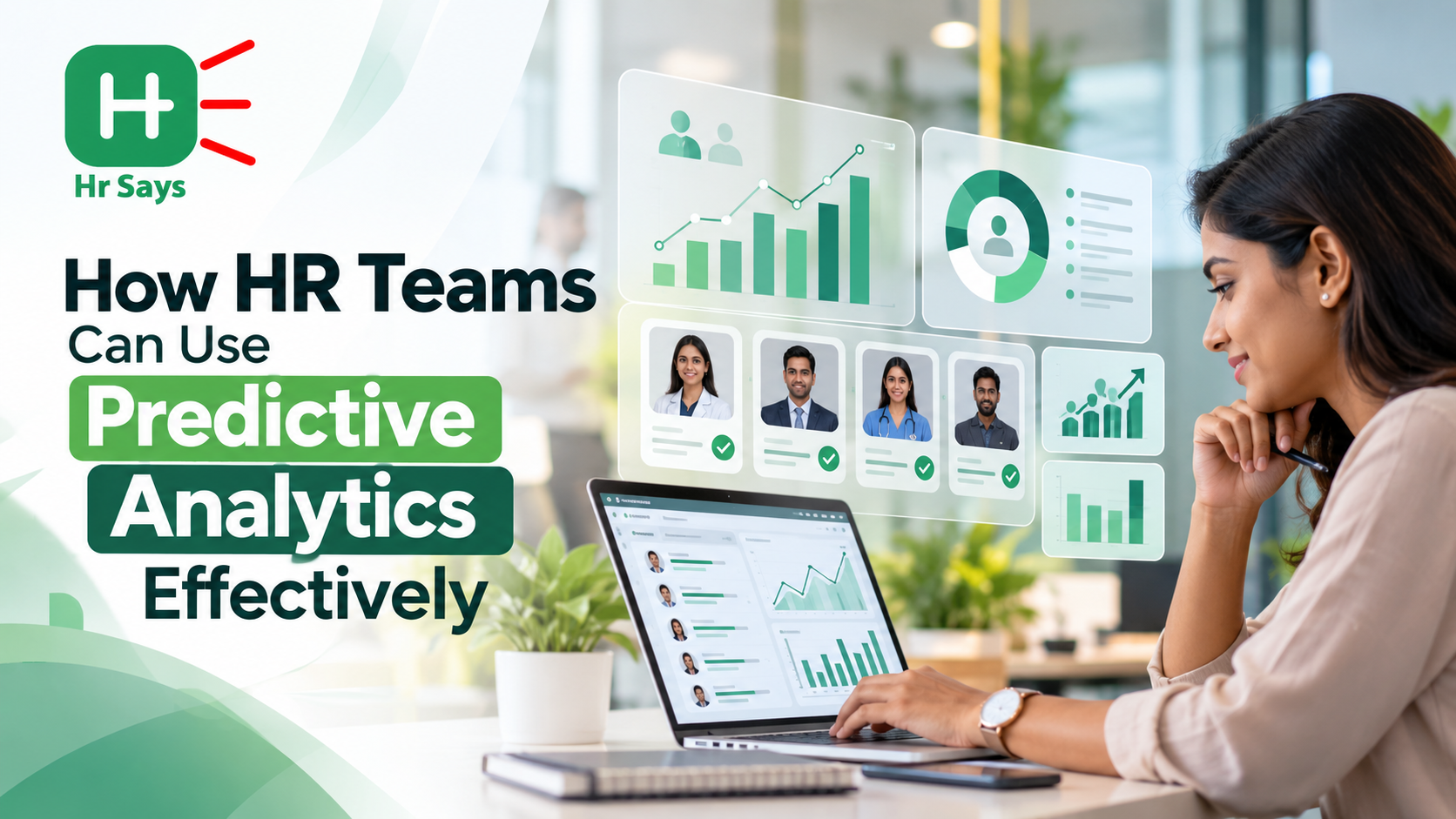
Recruitment has turned predictive. AI-powered platforms identify skill gaps, track performance metrics, and suggest potential candidates who fit not just the role but the culture. Data analytics now supports fair pay structures and diversity hiring.
Cloud-based HR management systems ensure that global teams stay connected, while digital learning tools drive continuous employee development. The emphasis is on creating a future-ready workforce that can adapt to constant change.
Employee Experience Takes Center Stage
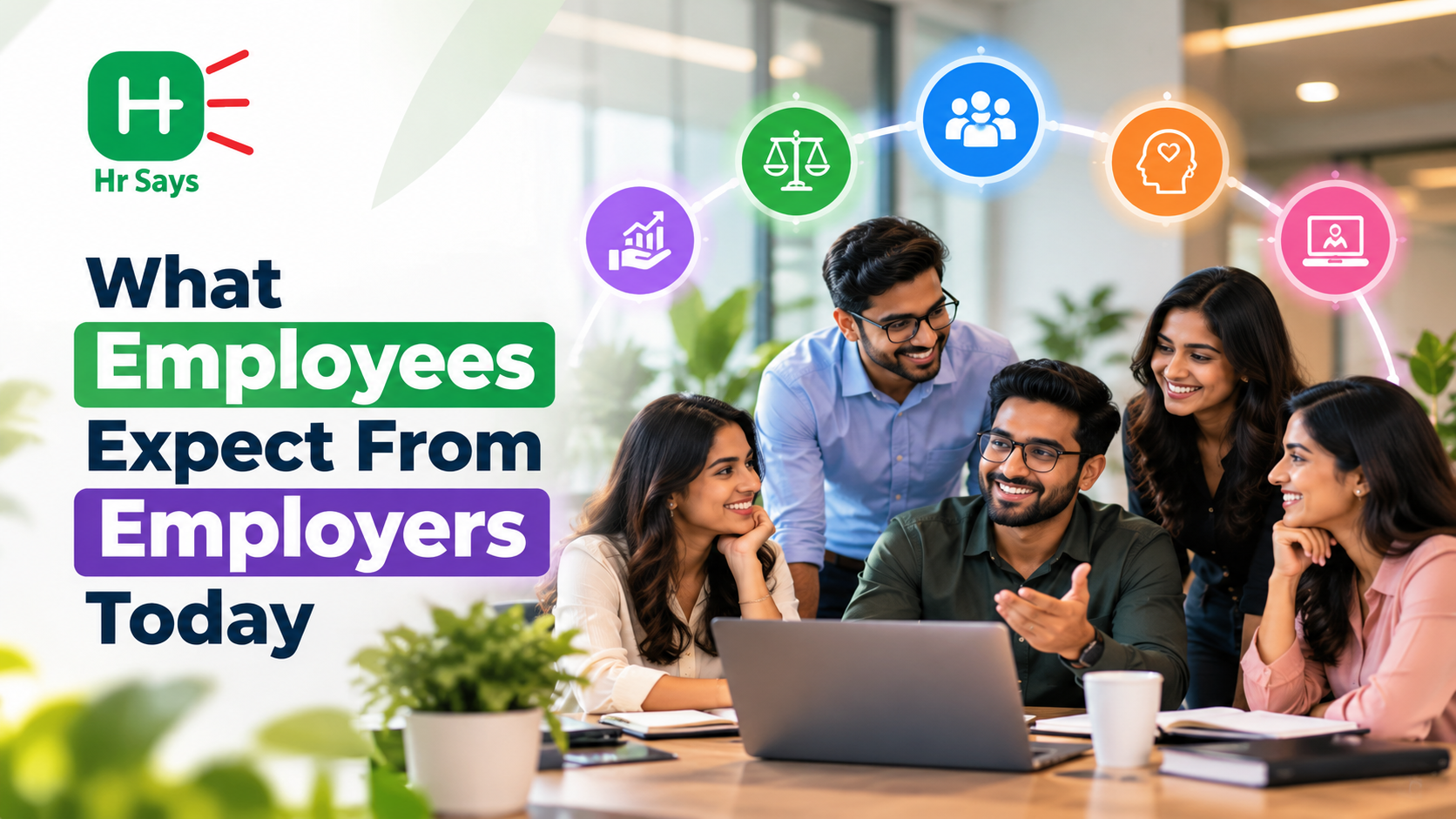
In today’s HR ecosystem, employees are seen as internal customers. Their journey within the organization defines its success. Modern HR focuses on designing positive, inclusive, and supportive employee experiences.
Flexible work arrangements, mental wellness programs, and personalized learning paths are no longer perks—they are expectations. HR teams are prioritizing well-being and engagement to maintain productivity and morale.
To enhance experience, organizations are adopting practices like:
● Regular feedback cycles instead of annual reviews
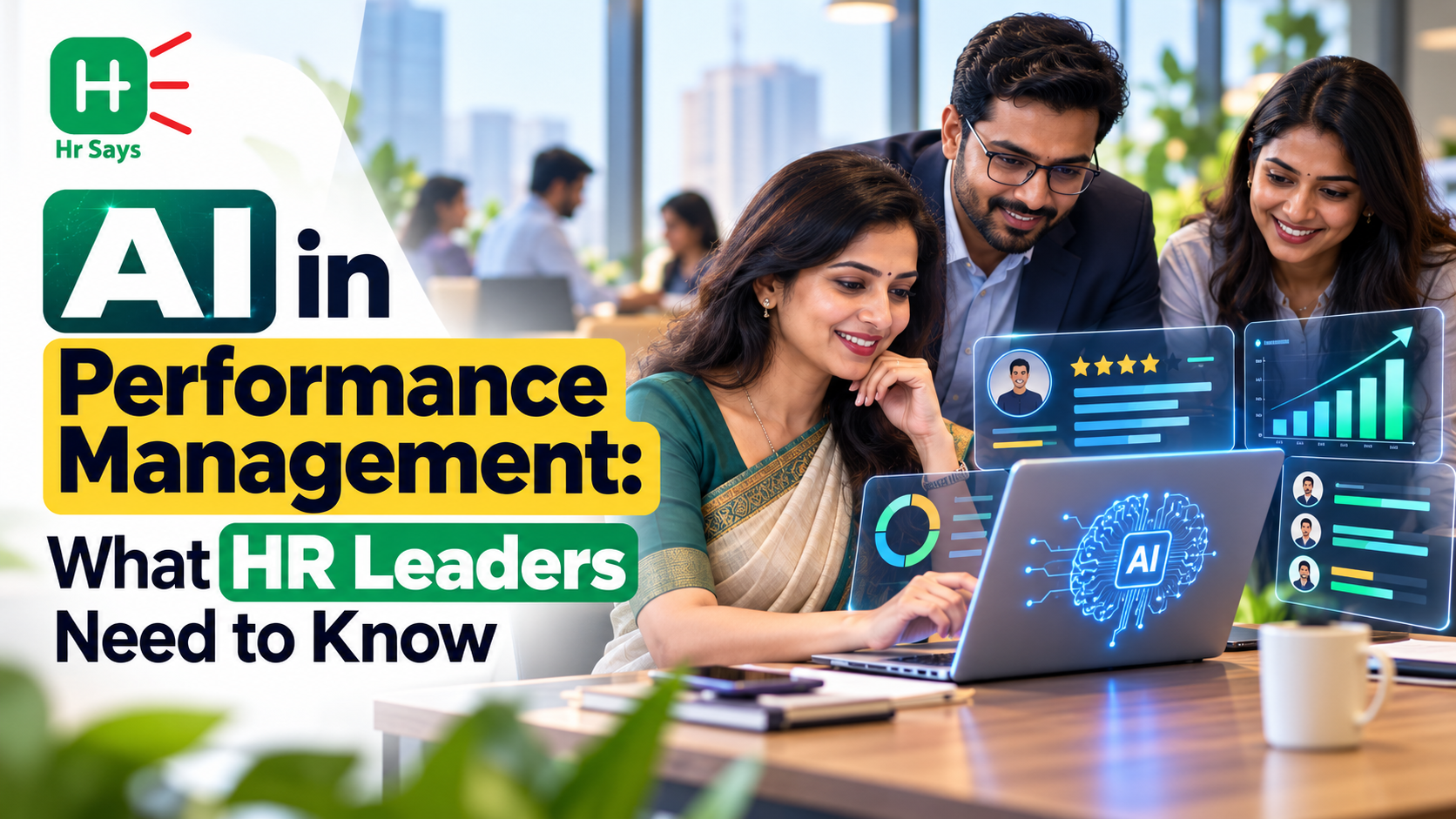
● AI-driven engagement surveys
● Digital recognition platforms
● Hybrid and flexible scheduling options
This people-first approach has become a competitive advantage for companies attracting top talent.
Upskilling, Diversity, and the New Culture Code
The workforce of 2026 demands growth, not just jobs. HR plays a crucial role in shaping continuous learning environments where employees evolve with the company. Upskilling programs, leadership development initiatives, and internal mobility are reshaping how employees perceive their career paths.
Diversity and inclusion are now embedded in core strategies rather than treated as compliance checkboxes. Modern HR ensures representation in leadership, fair policies, and a culture of belonging.
The Future of HR: A Business Partner, Not a Back Office
By 2026, HR has moved from the sidelines to the strategy table. It is a trusted business partner responsible for aligning workforce insights with organizational goals. Its focus lies in driving employee performance, enhancing workplace culture, and ensuring sustainability.
The HR function now stands as the bridge between technology, leadership, and people—a role that is vital for long-term success.
Conclusion
The HR of 2026 is no longer defined by hiring and payroll. It is strategic, empathetic, and digitally empowered. Human Resources has evolved into Human Relationships—a space where data meets emotion, and business meets people.