Saturday, October 24, 2026
 In 2025, employee experience has become the central HR KPI, emphasizing the importance of engagement, satisfaction, and well-being in driving organizational success. This shift requires HR to adopt new metrics and strategies to enhance the employee journey.




In 2025, HR does not simply denote the process of hiring and firing. It is all about making employees happy in the workplace. Experience (EX) has become the new HR KPI, and it demonstrates how employees' experience entails the trip they have in an organization. Such a change makes the significance of engagement, satisfaction, and well-being as a driver of organizational success evident.
The Shift from Traditional Metrics to Employee Experience
In the past, HR was preoccupied with such measurements as turnover rates and time-to-hires. Although these remain applicable, they are not all that is needed. Employee experience covers all the interfaces that an employee receives in the organization, including onboarding till leaving. It is a matter of knowing and enhancing the total process of an employee so that he/she feel esteemed and helped during their service.
Why Employee Experience Matters
A positive employee experience leads to:
● Increased engagement and productivity
● Higher retention rates
● Improved employer branding
● Enhanced customer satisfaction
Organizations that invest in EX see tangible benefits, including reduced absenteeism and lower turnover costs.
Measuring Employee Experience
To effectively measure EX, HR professionals are adopting various tools and metrics:
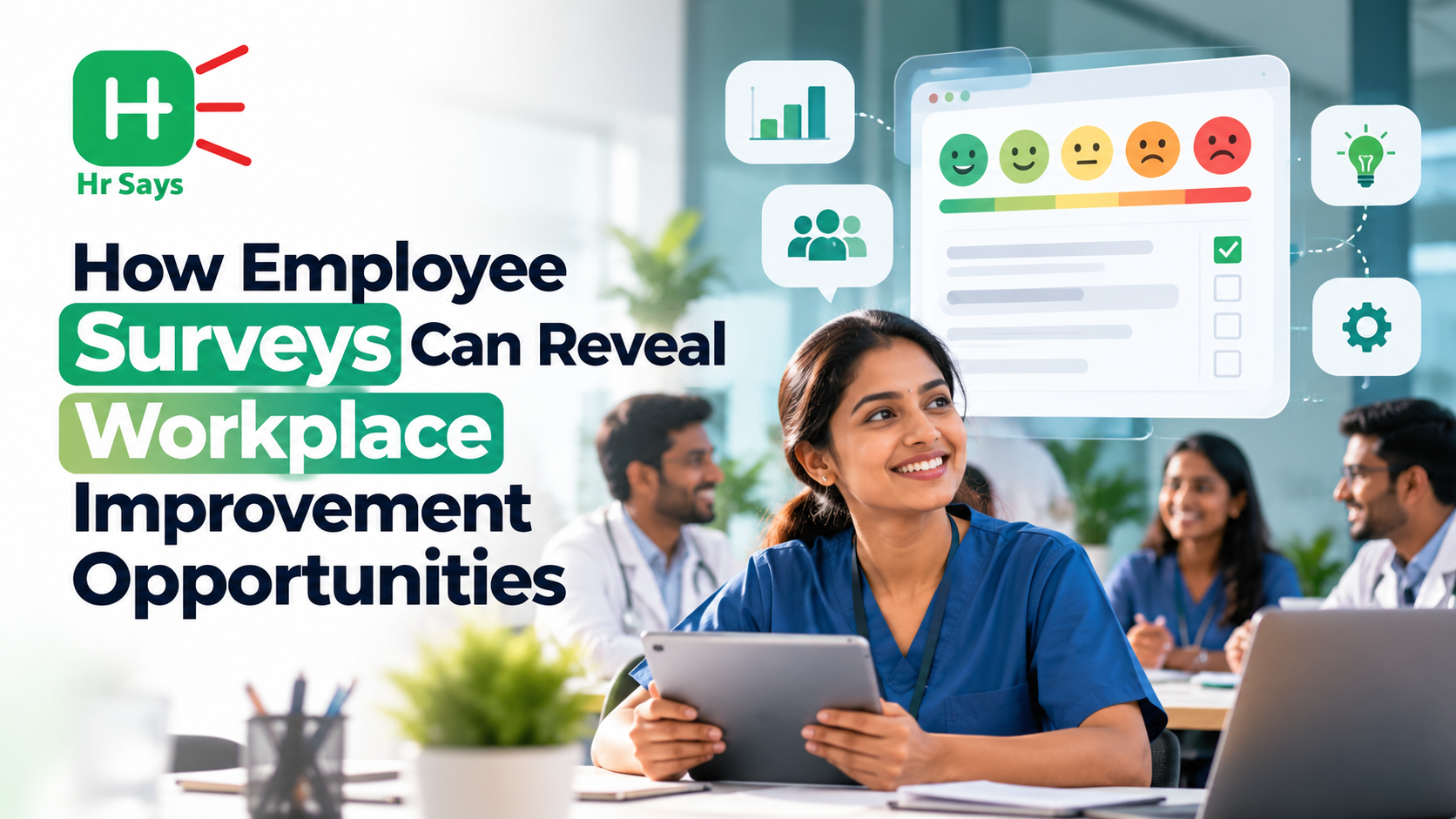
● Employee Engagement Surveys: Regular pulse surveys gauge employee sentiments and identify areas for improvement.
● Employee Net Promoter Score (eNPS): Measures how likely employees are to recommend the organization to others.
● Onboarding and Exit Interviews: Provide insights into the employee journey and areas for enhancement.
● Well-being Metrics: Track employee health, work-life balance, and stress levels.
These metrics help HR teams make data-driven decisions to enhance the overall employee experience.
Integrating Employee Experience into HR Strategy
For EX to be effective, it must be integrated into the core HR strategy. This involves:
● Aligning EX initiatives with organizational goals
● Providing leadership training on the importance of EX
● Creating personalized development plans for employees
● Fostering a culture of continuous feedback and improvement
By embedding EX into the HR strategy, organizations can create a supportive environment that drives performance and satisfaction.
Conclusion
Employee experience is more than a buzzword; it's a strategic approach to managing and nurturing the workforce. By prioritizing EX, HR can transform the workplace into a space where employees feel valued, leading to improved outcomes for both individuals and the organization.