 Sunday, November 22, 2026
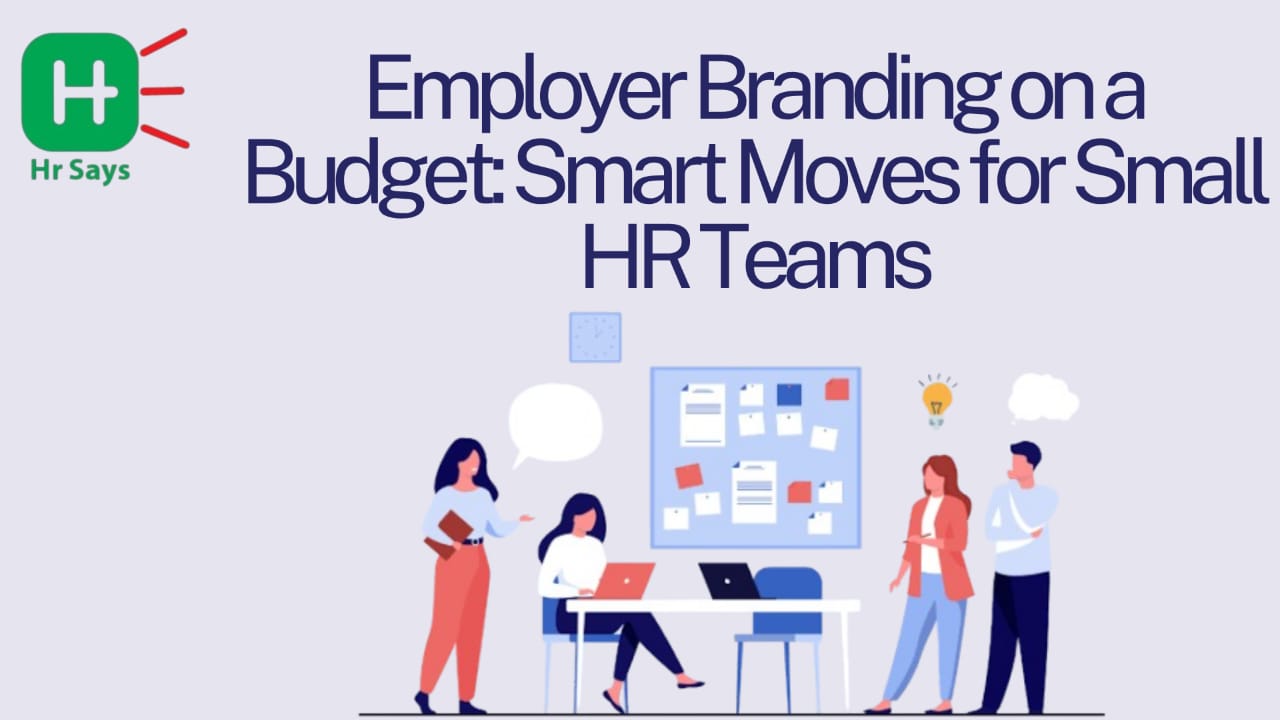
 You don’t need a big budget to build a strong employer brand — you need smart, consistent action. This article breaks down cost-effective ways to attract talent, boost internal morale, and showcase company culture. From referral storytelling to async onboarding packs, it’s filled with low-cost, high-impact ideas for lean HR teams. We show how branding isn’t just a marketing job — it’s an HR advantage. Perfect for startups and small orgs looking to punch above their weight.




When you don’t have a flashy ad budget or an agency behind you, building a powerful employer brand might feel out of reach. But in 2025, the most trusted employer brands aren’t necessarily the biggest — they’re the most authentic.
For small HR teams, this is good news. With the right strategy and some creative thinking, you can shape how your company is perceived without spending a fortune.
💡 Why Employer Branding Matters — Especially for Small Teams
A strong employer brand:
- Attracts better candidates even before they apply
- Reduces hiring costs by shortening time-to-fill
- Improves retention by setting clear expectations early
- Builds trust internally, which employees carry outward
According to a 2024 report by LinkedIn, companies with a strong employer brand see 50% more qualified applicants and 28% faster hiring cycles — even with lean HR operations.
🧩 What Works Best (Without Burning Your Budget)
|
Tactic |
How to Do It |
Why It Works |
|
Behind-the-scenes posts |
Share onboarding rituals, team stories, fun failures |
Adds personality to your brand |
|
Repurpose internal wins |
Convert HR dashboards into visuals, culture decks into carousels |
Showcases proof, not promises |
|
Use LinkedIn strategically |
Weekly team highlights, leadership thoughts, exit reflections |
Builds organic reach |
|
Empower employees |
Ask them to write or speak about real work moments |
Peer voices are more trusted than HR |
|
Build a Culture Kit |
Compile your values, rituals, quotes into one document |
Reinforces internal alignment and external clarity |
💬 Simple Content You Can Start Sharing
Even one post a week can help — here are ideas your HR team can rotate:
- 🎉 “New joiner highlights” — share what stood out for them in Week 1
- 🧠 “Lessons from our latest exit interview” (with consent)
- 🔁 “Before/After of our policy revamp” — show evolution
- 📢 “Why our team meets without decks every Friday” — quirks humanize
- 👥 “Hiring manager speaks” — real words from those who work with new hires
🛠 Bonus: Free Tools to Support Your Effort
- Canva – Create quick templates for culture stories
- ChatGPT – Draft captions, copy, or email intros
- Google Forms – Run pulse surveys, collect testimonials
- LinkedIn Scheduler – Plan a month of content in one go
- Notion or Trello – Track content ideas and internal inputs
✨ Final Thought: Branding Isn’t About Gloss — It’s About Truth
You don’t need glossy videos or paid ads to build your employer brand. You need stories, consistency, and the courage to show up honestly.
Next on HRsays: How to Make Your Voice Heard on LinkedIn — Even If You’re Not an Influencer
📩 And if your HR team has pulled off something amazing on a tight budget, we’d love to feature it. Share your wins — small or big — and let your brand speak for itself.