 Thursday, October 01, 2026
.jpeg)
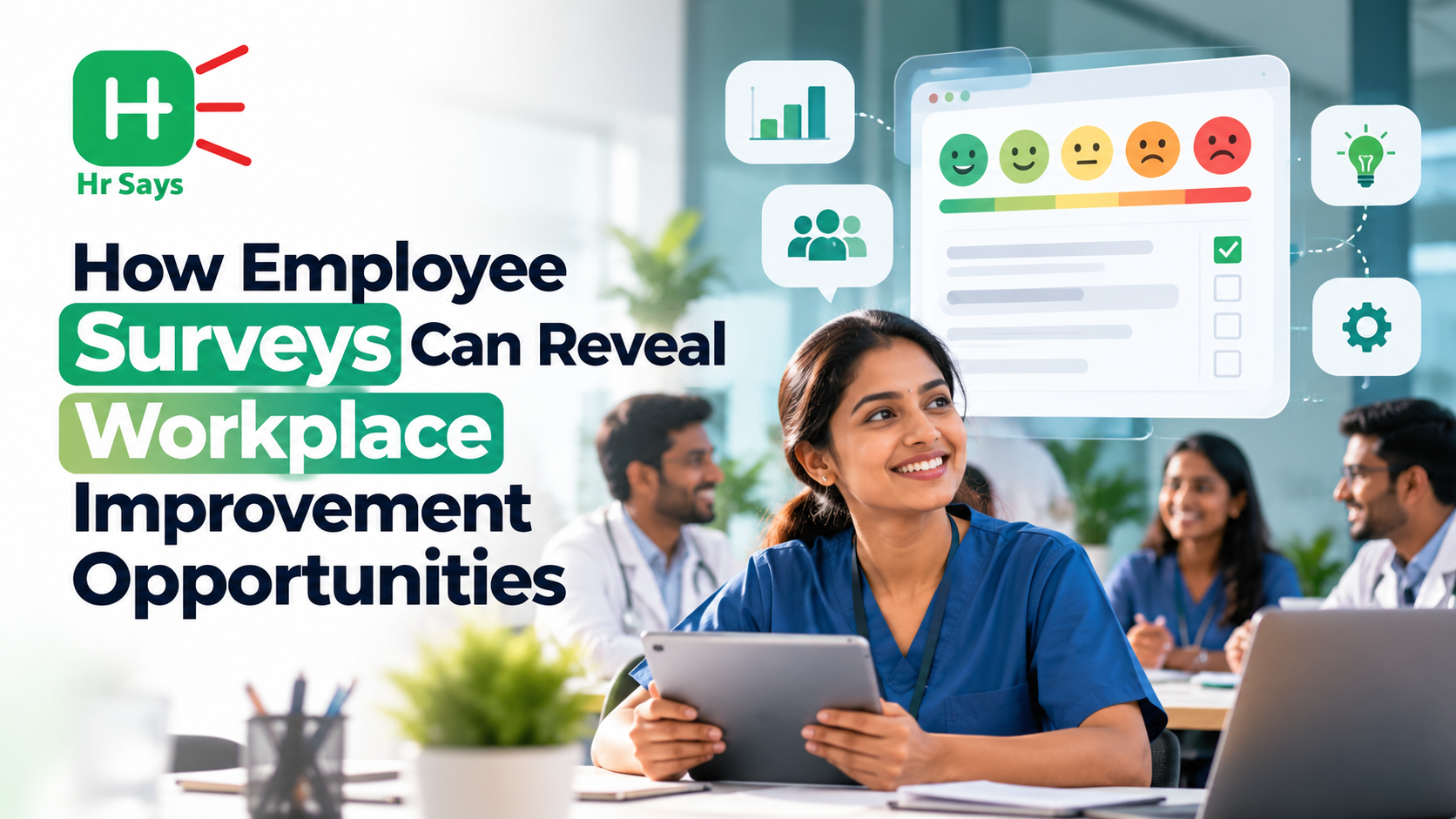
 Traditional engagement surveys are losing effectiveness due to outdated timing, low trust, and lack of context. As work continues to evolve, engagement measurement must shift from static
data collection to continuous, human centered listening methods.
Traditional engagement surveys are losing effectiveness due to outdated timing, low trust, and lack of context. As work continues to evolve, engagement measurement must shift from static
data collection to continuous, human centered listening methods.




Employee engagement was assumed to be quantifiable by several questions, which could be well-formulated and an annual survey cycle. The demands in the workplace have been modified as time goes by; however, the methods of formulating surveys have not changed significantly. Noise has been created where one used to hear and it is normally disregarded by the same individuals it tries to comprehend.
The Illusion of Listening
Engagement surveys continue to be offered as a tool of listening, and employees are hardly ever persuaded that they are being listened. Feedbacks are gathered, dashboards are designed and summaries are provided out. Action, never had breasts on it. This is brought about to create a sense of performative listening, in a way that feedback is sought but not given much respect.
It is this gap that has led to trust being eroded gradually. When, year in year out, the same questions are used, weariness is predetermined, and not wisdom.
Survey Fatigue Is Being Normalised
The modern employee is asked to respond to multiple internal surveys, pulse checks, and feedback forms. Over time, honesty is replaced with speed.
Common patterns are observed:
● Neutral options are overused to avoid consequences
● Extreme responses are avoided
● Surveys are completed mechanically
What is captured is compliance, not engagement.
Timing Is Working Against Insight
Most traditional engagement surveys are conducted annually or biannually. Human experience at work, however, shifts weekly. A stressful quarter, a new manager, or a policy change can alter engagement dramatically. By the time data is reviewed, the moment it represents has already passed.
Engagement is treated as static, while work life remains dynamic. This mismatch reduces relevance and weakens decision making.
Context Is Rarely Considered
Survey results are often analysed without situational context. Organisational restructuring, workload spikes, or external uncertainty are not always factored in. Numbers are reviewed in isolation, while human behaviour is never isolated.
As a result, surface level conclusions are drawn from deeply complex emotions.
Fear Still Shapes Responses
Despite assurances of anonymity, many employees remain cautious. Power structures, performance reviews, and job security are never far from mind. Responses are filtered through self protection.
Engagement surveys are framed as safe, but psychological safety cannot be declared. It must be felt. Until then, honesty will remain partial.
One Size Is Still Being Applied To All
Standardised survey frameworks are often rolled out across roles, regions, and cultures. A frontline worker and a remote knowledge employee are asked the same questions, despite vastly different realities.
Engagement is personal. When nuance is removed, meaning is lost.
Work Has Changed, Surveys Have Not
Hybrid work, burnout awareness, mental health conversations, and purpose driven careers have reshaped employee expectations. Many surveys still focus on outdated drivers like office amenities or generic satisfaction scores.
Relevance is missed, even when intent is good.
Rethinking Engagement Measurement
Better engagement insights are not found by asking more questions, but by asking better ones at the right time. Continuous listening, qualitative feedback, manager led conversations, and real time sentiment analysis are being explored because traditional tools are no longer sufficient.
Engagement is experienced daily. Measurement must begin reflecting that truth.