Thursday, October 01, 2026
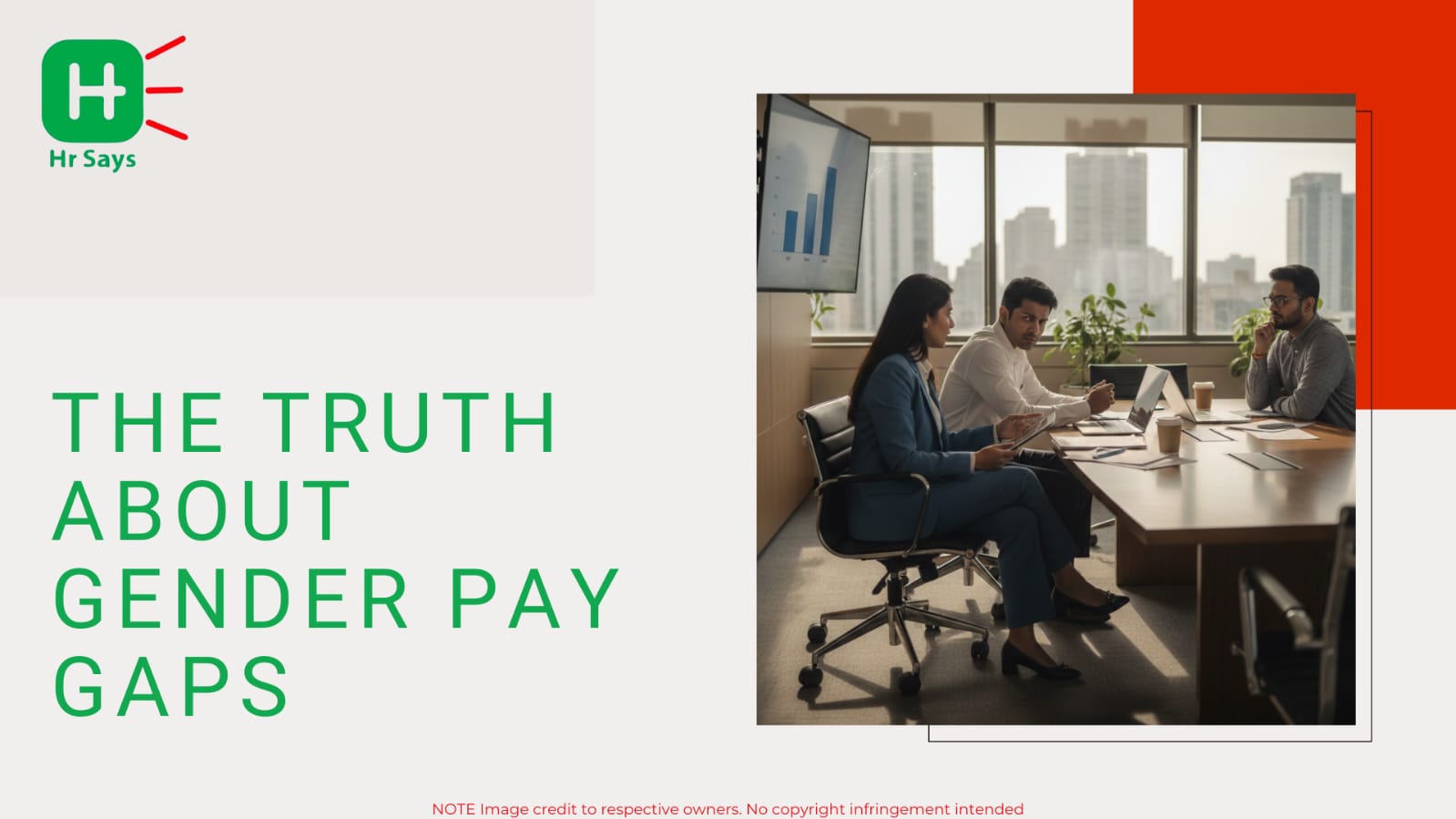
 The gender pay gap reflects structural workforce patterns rather than a single act of unequal pay. Influenced by occupational trends, leadership representation, and caregiving responsibilities, it remains a complex economic issue requiring transparent policies and sustained institutional reform.




Over the decades, the discussions on the equal payment have been made in boardrooms, policy discussions, and on the threads of social media. However, even to this day, there is still confusion about what the gender pay gap entails. It has normally been misinterpreted, degraded or ignored. This truth is deeper and it is more prudent to peep in.
What The Gender Pay Gap Really Means
The gender pay gap means the difference between the average wages of the workforce represented by men and women. It is normally denoted as a percentage of the earnings of men. This is not merely a manifestation of unequal remunerations as a result of performing same jobs, though this is possible.
Women on average are said to get lower wages than men in most economies. This is a gap that is dependent on industry, seniority, and location according to worldwide labor statistics and workplace reports. There are various structural determinants instead of one cause that impacts upon it.
Equal pay has been confused with gender pay gap. Equal pay concerns the issue of whether men and women get equal pay in the same job. The gender pay gap on the other hand determines the total earning disparity in all positions.
Why The Gap Exists
The gap has been shaped by long-standing workplace patterns. Several contributing elements are commonly identified:
Occupational Segregation
Women are often concentrated in lower-paying sectors such as caregiving, education, and administrative roles. Higher-paying industries like technology, finance, and engineering have historically seen male dominance.
Career Interruptions
Career breaks due to caregiving responsibilities are more frequently taken by women. When time away from work occurs, slower wage growth and fewer promotion opportunities are often experienced.
Leadership Representation
Executive roles and senior leadership positions continue to be disproportionately held by men. Since higher salaries are attached to leadership, overall averages are affected.
Negotiation and Bias
Unconscious bias in hiring, promotion, and performance evaluation has been widely discussed in diversity and inclusion research. Pay transparency and salary negotiation gaps have also been noted as influencing factors.
These factors combined create patterns that accumulate over time.
How Remote Work And Flexible Policies Are Changing The Narrative
Recent workplace trends such as remote work, flexible schedules, and hybrid models have reshaped career dynamics. Digital
transformation has enabled more women to remain in the workforce during caregiving phases.
However, new concerns have also emerged. Visibility in remote settings can impact promotion opportunities. If flexible work is disproportionately used by women, unintended consequences may appear.
Organizations are increasingly investing in:
● Pay transparency policies
● Diversity, equity, and inclusion strategies
● Leadership development programs for women
● Structured promotion and performance frameworks
Such initiatives are being implemented to address systemic imbalances rather than surface-level optics.
Beyond The Numbers
It is often assumed that the gender pay gap tells a simple story of discrimination. In reality, it reflects broader social patterns, education choices, cultural expectations, and labor market structures.
Data must be interpreted carefully. Industry, age group, and experience level matter. In some sectors, gaps have narrowed significantly. In others, progress remains slow.
Closing the gap is not achieved through one policy alone. It requires:
● Long-term workforce planning
● Support for parental leave equity
● Transparent compensation benchmarking
● Continuous bias awareness training
Progress is gradual. Structural change tends to move slowly.
Conclusion
The gender pay gap is neither a myth nor a single-cause issue. It is a measurable economic pattern shaped by history, opportunity, and institutional systems. Honest dialogue, data transparency, and policy reform remain essential if meaningful change is to be sustained.