 Thursday, October 01, 2026
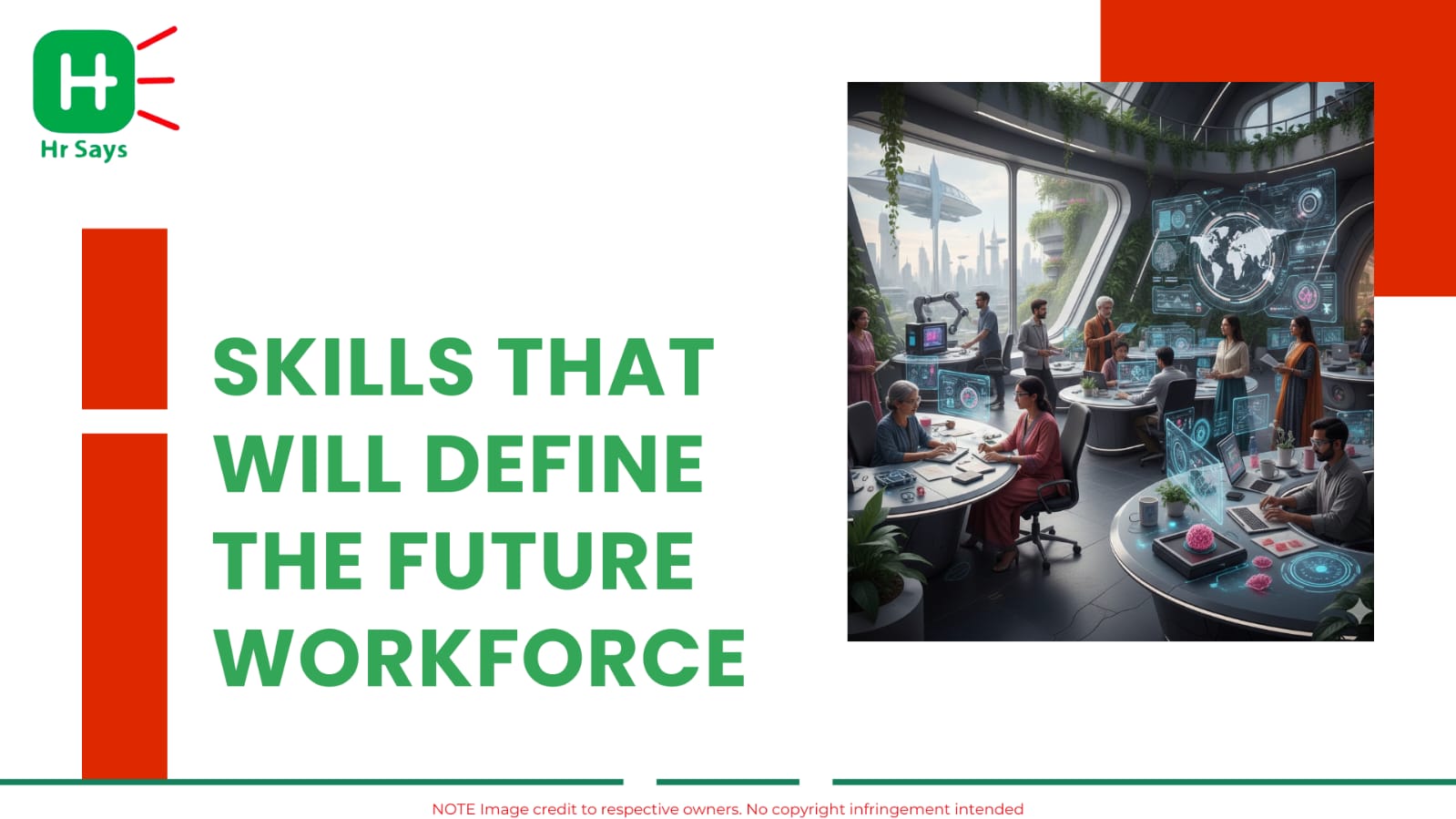
 The future workforce will be shaped by adaptability, digital literacy, emotional intelligence, and
analytical thinking. As roles evolve, continuous learning and human centered skills are being
valued alongside technical confidence and problem solving abilities.
The future workforce will be shaped by adaptability, digital literacy, emotional intelligence, and
analytical thinking. As roles evolve, continuous learning and human centered skills are being
valued alongside technical confidence and problem solving abilities.




The reality of work is being redefined in a low profile but gradual manner. Job titles are becoming blurred, demands are becoming new, and professions are not one set of skills. What is known of today will be of little consequence, but the way tomorrow is managed.
Digital Literacy and Tech Confidence
Fundamental digital literacy is no longer viewed as an option. This is expected in industries either technical or not. The updating of tools, platforms, and systems is quicker than the training processes.
Everyday Tech Fluency
A working comfort with digital tools is being valued more than deep technical mastery for most roles.
● Cloud based collaboration tools are being used daily
● AI powered software is being introduced into routine workflows
● Data dashboards are being read by non technical teams
Confidence, not perfection, is being rewarded here.
Adaptability and Learning Agility
Job descriptions are changing faster than degrees can keep up. The ability to adapt is being seen as a long term advantage rather than a soft trait.
Reskilling as a Career Habit
Upskilling and reskilling are no longer limited to career switches. They are being treated as continuous processes.
● Short term certifications are being preferred
● Self driven learning is being noticed by employers
● Cross functional skills are being encouraged
Stability is now being found in flexibility.
Emotional Intelligence and Human Skills
As automation increases, human centered skills are being valued more clearly. Emotional intelligence is being used as a differentiator in leadership, teamwork, and customer facing roles.
Collaboration in a Remote World
With remote work and hybrid teams becoming common, communication is being tested in new ways.
● Active listening is being prioritized
● Conflict is being managed across screens
● Empathy is being linked to productivity
People skills are being treated as performance skills.
Critical Thinking and Problem Solving
Information is everywhere, but judgment is still rare. Critical thinking is being used to filter noise, assess risk, and make informed decisions.
Thinking Beyond Instructions
Employees are being expected to question processes, not just follow them.
● Problems are being solved, not escalated
● Context is being understood before action
● Creativity is being applied within constraints
Clear thinking is being trusted more than fast answers.
Data Awareness and Analytical Thinking
Data literacy is being required even in non analytical roles. Numbers are being used to guide decisions, measure outcomes, and justify strategies.
Reading Data Without Fear
Not everyone is expected to be a data scientist, but understanding trends is being expected.
● Reports are being interpreted confidently
● Metrics are being connected to business goals
● Assumptions are being backed by evidence
Insight is being valued over intuition alone.
Conclusion
The future workforce is not being defined by a single skill, but by a mindset. Learning, adapting, and thinking clearly are being rewarded across roles. Those who evolve steadily are being positioned to stay relevant longer.