 Thursday, October 01, 2026
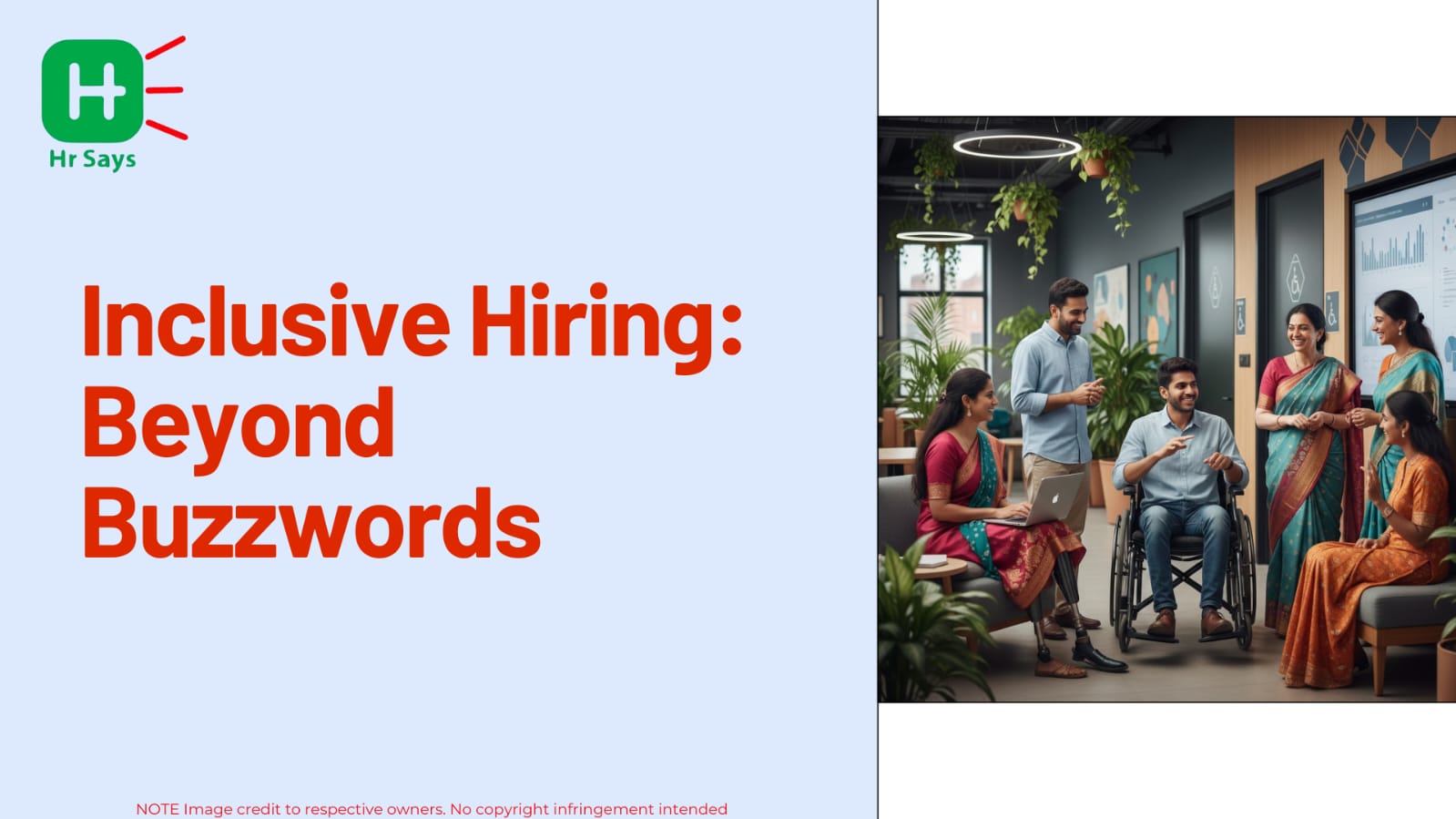
 Inclusive hiring moves beyond representation when systems are redesigned with fairness, structure, and accountability. Through bias-aware processes, expanded talent pipelines, and measurable outcomes, organizations can create equitable workplaces where opportunity is intentionally built and consistently sustained.




Inclusive hiring is the jargon of the boardrooms and LinkedIn posts. But at ground level it is often boiled down to a checkbox affair. Policies are announced. Statements are published. However, authentic inclusion is constructed in a silent manner, by steady systems, conscious leadership, and quantifiable change.
Why Inclusive Hiring Needs A Reset
Diversity and inclusion practices have already become an order of the day in current HR discourses. Nonetheless, representation is not the only aspect associated with inclusive hiring. It is concerned with access, equity and chance being premeditated into recruitment movements.
Job descriptions in most organizations are biased in a covert manner. Pipelines are characterized by referral hiring. Interview panelists are not diverse. These trends are seldom challenged due to the fact that they look natural.
In order to move past buzzwords, systems will have to be redesigned.
Rethinking Job Descriptions And Employer Branding
Language shapes access. It has been observed that gendered or exclusionary words reduce applicant diversity. Inclusive recruitment begins long before interviews.
What Can Be Improved
● Job descriptions should be written using neutral, skills-based language
● Unnecessary degree requirements can be removed
● Accessibility statements must be clearly added
● Employer branding should reflect real workforce diversity
When employer branding aligns with workplace reality, trust is built. Candidates today research company culture, diversity hiring practices, and employee reviews before applying. Transparency is expected.
Structured Interviews Reduce Bias
Unconscious bias training alone does not fix hiring bias. Systems must be structured.
Unstructured interviews often favor familiarity. Similar backgrounds are preferred subconsciously. Structured interviews, however, create fairness.
Practical Adjustments
● Standardized evaluation criteria should be used
● Diverse hiring panels must be formed
● Scorecards should be filled independently before discussion
● Skills assessments can replace subjective judgment
When hiring decisions are documented and measured, accountability increases. Data-driven hiring makes inclusion measurable rather than symbolic.
Expanding Talent Pipelines
Inclusive hiring requires widening the talent funnel. Traditional sourcing channels often reproduce the same demographic patterns.
Partnerships with diverse job boards, community colleges, returnship programs, and disability employment networks can diversify access. Remote hiring has also opened new pathways for geographically diverse candidates.
Inclusive Sourcing Approaches
● Campus recruitment beyond elite institutions
● Second career programs
● Internships for underrepresented groups
● Collaboration with diversity-focused platforms
Equal opportunity must be intentionally created. It rarely happens by default.
Inclusive Onboarding And Retention Matter
Hiring inclusively is only the first step. Retention defines impact.
If inclusive workplace culture is not fostered, diverse hires will exit quietly. Psychological safety, mentorship, and equitable growth pathways must be embedded into performance management systems.
Inclusion is experienced daily, not announced annually.
Measuring What Truly Matters
Diversity metrics are often limited to hiring numbers. True inclusion is measured through:
● Promotion rates across demographics
● Pay equity audits
● Employee engagement surveys
● Attrition trends
When metrics are reviewed regularly, inclusive hiring becomes a strategic workforce planning tool rather than a compliance requirement.
Inclusive hiring is not an HR campaign. It is a leadership discipline. It is shaped by policy, behavior, and accountability. The work is gradual. But when systems are redesigned thoughtfully, change becomes visible.