Saturday, October 24, 2026
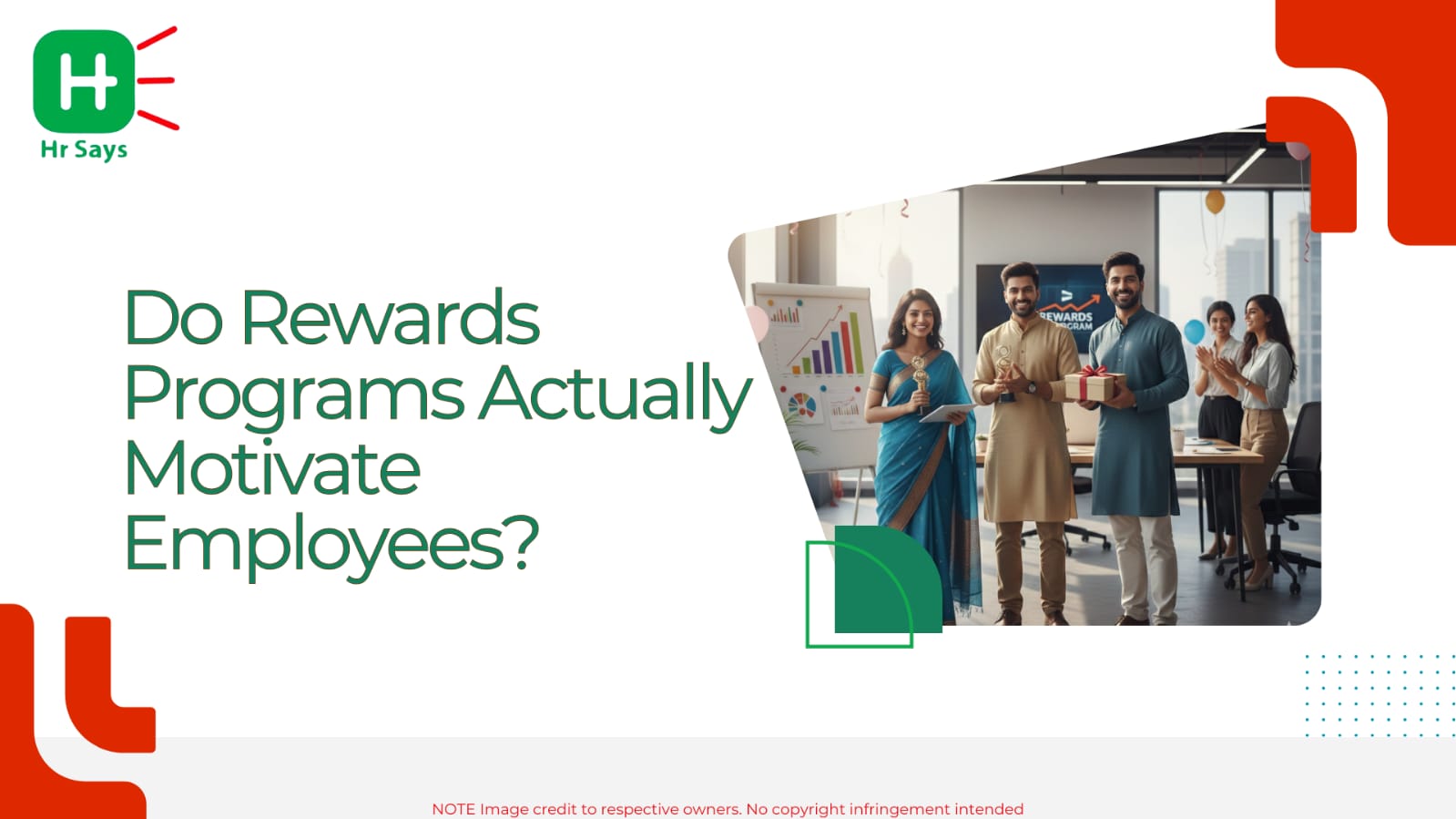
 Rewards programs can influence behavior, but their impact on long-term motivation is limited. Sustainable employee motivation is more effectively supported through fairness, recognition,
purpose, and meaningful work experiences rather than incentives alone.
Rewards programs can influence behavior, but their impact on long-term motivation is limited. Sustainable employee motivation is more effectively supported through fairness, recognition,
purpose, and meaningful work experiences rather than incentives alone.




Rewards have been viewed as a form of motivation short cut. There is a bonus proclaimed, a badge is given out and participation will increase. However, there is a smaller question that is lurking in a lot of workplaces. Do employees really feel motivated or are they merely reacting?
The Basic Promise Behind Rewards Programs
Rewards programs are in their essence behavioral influencing programs. Incentives on performance, recognition forums and point systems are implemented with a thought that when some materialistic reward is given in exchange something more will be received. The concept is based on the traditional motivation theory and remains a common practice in the contemporary employee engagement strategies.
What is not usually considered is the extent to which rewards are being normalised. As soon as an incentive is anticipated, its driving force becomes weak. What used to be special becomes gradually lowered into the running of daily work.
When Rewards Do Work
Rewards are not inherently ineffective. In certain conditions, motivation is genuinely supported.
Clear and Short-Term Goals
Rewards tend to work best when goals are specific and time-bound.
● Sales targets with defined timelines
● Project completion incentives
● Short-term performance challenges
In such cases, effort is visibly connected to outcome. Motivation is reinforced because expectations are understood and achievable.
Fairness and Transparency
Trust plays a quiet but critical role. When reward criteria are perceived as fair, motivation is more likely to be sustained. If favoritism is suspected or rules feel unclear, engagement is often reduced rather than improved.
Where Rewards Start to Fail
Over time, several limitations begin to surface.
Intrinsic Motivation Is Overpowered
When external rewards dominate, internal drivers can be weakened. Pride in work, curiosity, and purpose are slowly replaced by transactional thinking. The work is done for the reward, not for its meaning.
This shift is subtle but damaging. Once rewards are removed or reduced, motivation often drops sharply.
One-Size-Fits-All Approaches Miss the Mark
Employees are motivated by different factors. While some value bonuses, others respond more strongly to flexibility, autonomy, or learning opportunities. Standardized reward systems often ignore these differences, leading to uneven impact.
Recognition Versus Rewards
A quiet distinction exists between being rewarded and being recognized. Rewards are usually material. Recognition is emotional.
Recognition programs, when done well, tend to support long-term engagement because they address human needs for appreciation and belonging.
● Public acknowledgment of effort
● Genuine feedback from leaders
● Peer-to-peer recognition
These gestures are often remembered longer than financial incentives and are less likely to feel transactional.
What Actually Motivates Employees Today
Modern workplace trends suggest a shift in priorities. Motivation is increasingly linked to experience rather than perks.
Employees are often motivated by:
● Meaningful work and clarity of role
● Opportunities for growth and skill development
● Psychological safety and trust
● Work-life balance and flexibility
Rewards can support these factors, but they cannot replace them.
Conclusion
Rewards programs can motivate employees, but only in limited and specific ways. When used as the primary driver of engagement, they tend to lose effectiveness. Motivation is more sustainably supported when rewards are aligned with purpose, fairness, and genuine human recognition.