 Thursday, October 01, 2026
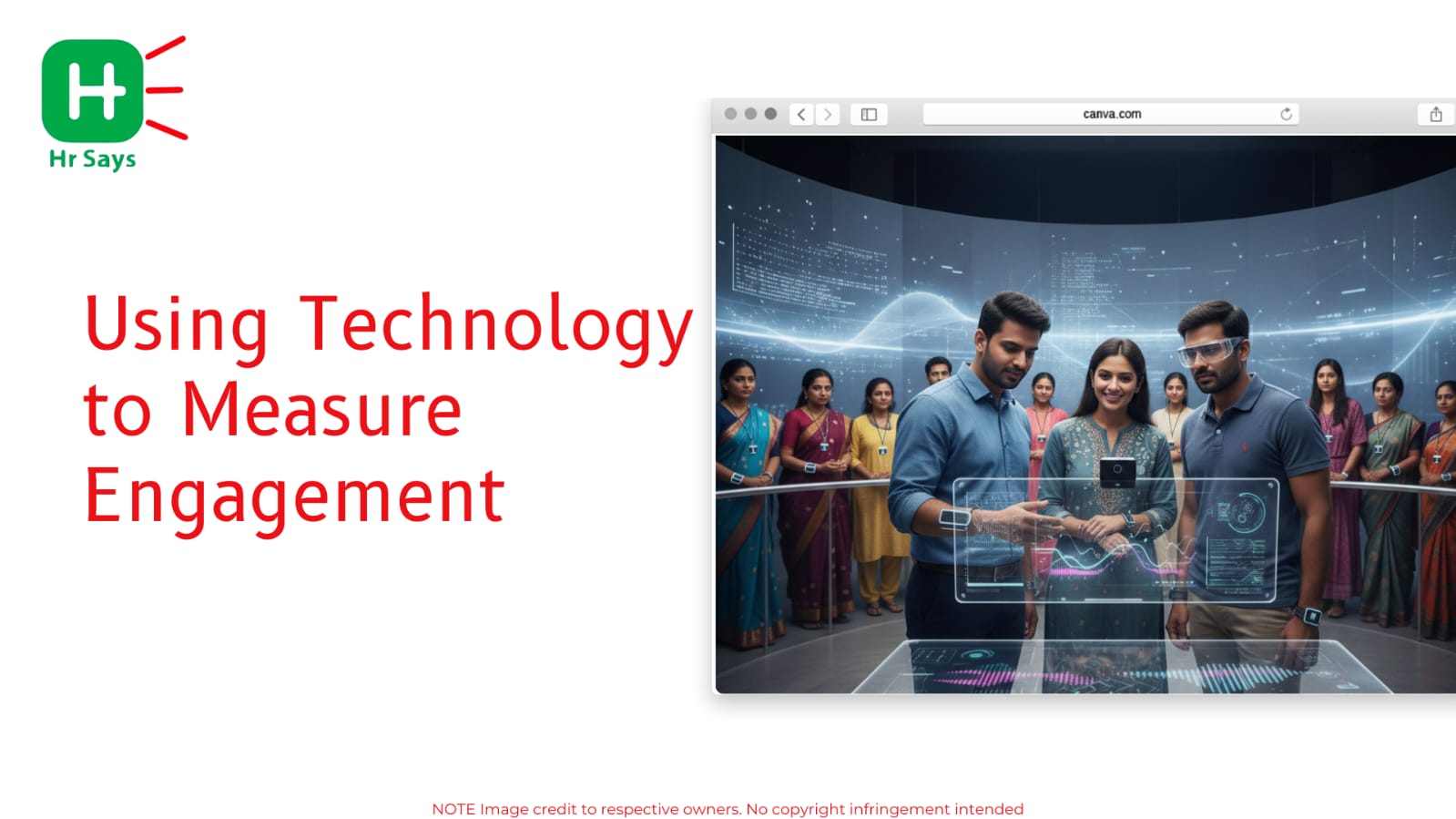
 Technology enables continuous engagement measurement through analytics, pulse surveys, and AI insights. When used ethically, these tools help organizations detect trends, support
employees proactively, and turn engagement data into meaningful workplace improvements.
Technology enables continuous engagement measurement through analytics, pulse surveys, and AI insights. When used ethically, these tools help organizations detect trends, support
employees proactively, and turn engagement data into meaningful workplace improvements.




For a long time, engagement has never been quantified but felt. Meetings were admittedly one-dimensional, mails were neglected, and the spirits were gauged by observation. On the other hand, technology has silently come in to the rescue and made instinct a revelation and made organizations in understanding how people act connect to their work.
Why Engagement Measurement Has Shifted
The process of employee engagement was previously evaluated by the means of employees annual surveys and informal discussions. Those were techniques that were restricted by memory, mood and time. As the digital workspaces become widespread, nowadays engagement is tracked on an ongoing, inconspicuous and more precise scale.
Trends are followed rather than supposed opinions. Cues used are taken off of utensils used in everyday life, as opposed to pressure-coerced questionnaires. This change has made engagement to be perceived as a living process rather than a fixed score.
Digital Tools That Capture Engagement Signals
Technology does not measure motivation directly. It measures behavior, interaction, and response. From these, engagement trends are inferred carefully.
Workplace Analytics Platforms
Workplace analytics tools are used to study collaboration habits, meeting load, response times, and communication flow. Without reading content, patterns are analyzed to understand overload, disengagement, or healthy balance.
Common insights gathered include:
● Frequency of cross team collaboration
● Meeting fatigue indicators
● After hours work trends
● Communication gaps between roles
Pulse Surveys And Feedback Tools
Short, frequent surveys are now preferred over long annual forms. Questions are kept simple, and responses are tracked over time.
Benefits often seen include:
● Honest feedback being encouraged
● Real time sentiment being captured
● Early burnout signals being noticed
● Trust being built through responsiveness
AI And Sentiment Analysis In Engagement
Artificial intelligence has added another layer to engagement measurement. Language patterns in feedback, chats, and surveys are analyzed for sentiment, tone shifts, and emotional trends.
This allows:
● Stress levels to be detected early
● Engagement dips to be predicted
● Cultural issues to be flagged quietly
● Leadership impact to be evaluated indirectly
Care is required here. Transparency and ethical data use are expected by employees, or trust can be damaged.
Engagement In Remote And Hybrid Work
Remote work has removed visual cues. Engagement can no longer be read from body language or office presence. Technology fills this gap by observing consistency, participation, and digital interaction.
Indicators often used include:
● Meeting participation levels
● Project management activity
● Learning platform usage
● Internal communication involvement
These metrics are not used to monitor individuals but to understand system level health.
Turning Data Into Meaningful Action
Data alone does not improve engagement. Action does. When engagement insights are shared clearly and acted upon, employees feel seen rather than studied.
Effective practices include:
● Communicating why data is collected
● Sharing improvements made from feedback
● Adjusting workloads based on insights
● Supporting managers with clear signals
When used thoughtfully, engagement technology becomes a listening tool, not a surveillance system.
Conclusion
Technology has changed how engagement is measured, but not why it matters. Tools provide clarity, not answers. Real engagement is still built through trust, fairness, and purpose. Measurement simply ensures that quiet disengagement is no longer ignored.