 Thursday, October 01, 2026
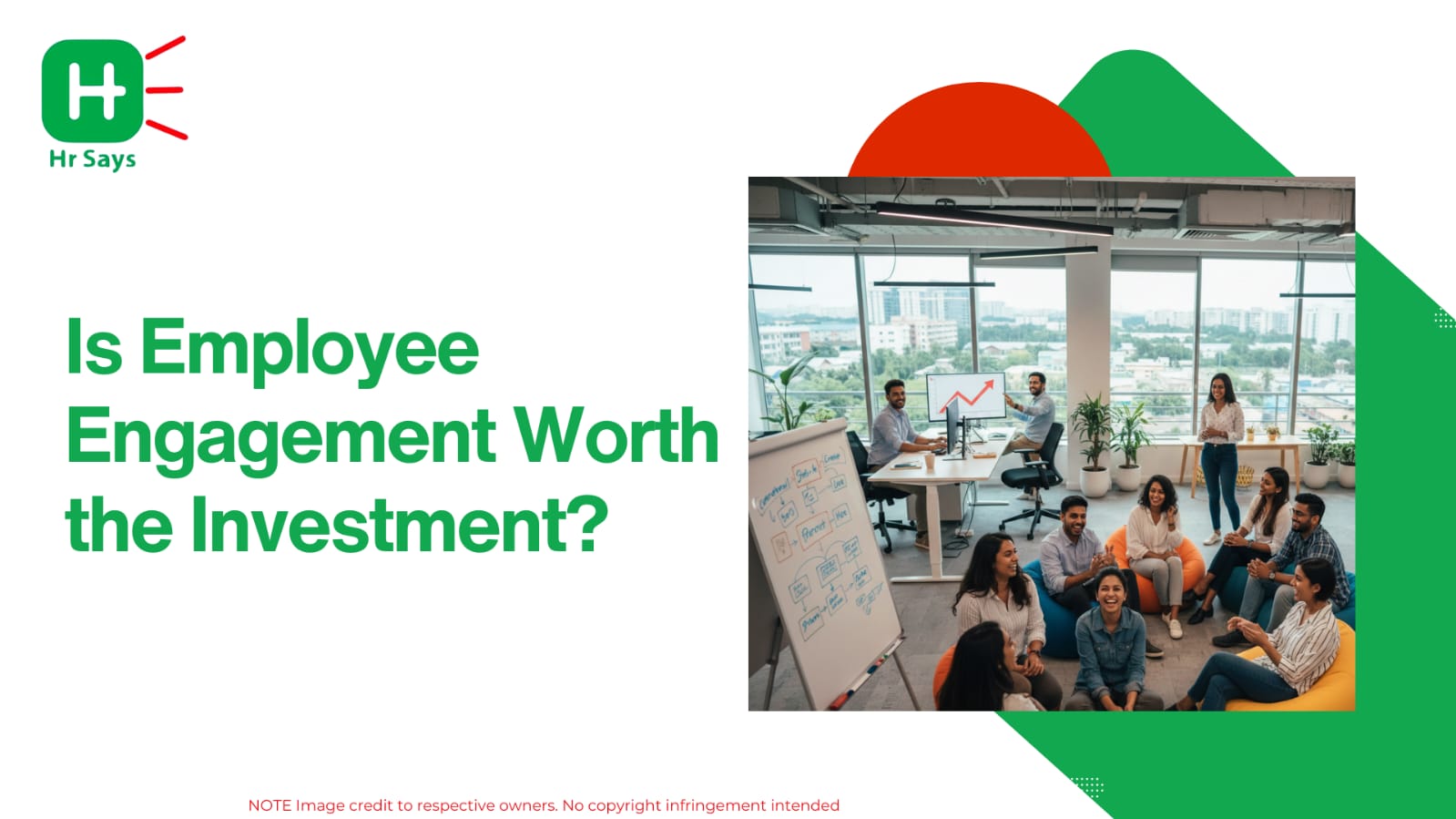
 Employee engagement is explored as a long-term investment rather than a short-term expense. Its impact on productivity, retention, and workplace stability is examined, highlighting why disengagement often costs more than organizations expect.




Working environments are being privately changed. The issue of long hours is on the table. Loyalty is being redefined. Employee engagement is one factor that is offered as a solution in this shift. But there are limited budgets, high expectations and reasonable leaders are posing a valid question. Is employee engagement really worth it?
The Real Meaning of Employee Engagement
Engagement of employees has been minimized to benefits or morale. As a matter of fact, it is influenced by the level of attachment the employees have to their jobs, their superiors, and the mission of the organization. Engagement does not come about in one night. It is constructed using daily systems, discussions and decision-making.
When the engagement is low the effort is still provided albeit at low levels. In the case of high engagement, discretionary effort is silently contributed. This variance may only be barely seen in a balance sheet but is experienced in results.
The Cost Of Disengagement
Disengagement is expensive, even when it goes unnoticed. Productivity is slowed. Errors are increased. Innovation is held back. These costs are rarely recorded as a single line item, but they accumulate over time.
Common signs of disengagement include:
● Declining motivation and accountability
● Higher employee turnover rates
● Increased absenteeism and burnout
● Lower team collaboration and trust
These patterns often appear before leaders realize a deeper issue exists.
Where The Investment Actually Goes
Employee engagement investment is not limited to events or platforms. It is often directed toward systems that shape daily experience.
Typical areas include:
● Manager training and leadership development
● Clear performance feedback and goal alignment
● Employee recognition and rewards
● Wellbeing initiatives and flexible work policies
● Internal communication and listening tools
When these areas are strengthened, engagement is supported naturally rather than forced.
Measuring Value Beyond Numbers
Engagement is sometimes dismissed because returns are not immediate. However, its value is often reflected indirectly. Teams with higher engagement tend to show stronger employee retention, improved customer experience, and more consistent performance.
While engagement metrics and employee surveys provide data, qualitative signals matter just as much. Energy in meetings, ownership of tasks, and willingness to contribute ideas are often the earliest indicators.
When Engagement Efforts Fail
Not all engagement initiatives succeed. When programs feel performative or disconnected from real issues, trust is reduced. Engagement cannot compensate for poor leadership, unclear roles, or unfair policies.
For engagement to work, it must be aligned with organizational culture. Employees tend to disengage quickly when promises are made but not followed through.
Is It Worth It In The Long Run?
Employee engagement is rarely a quick win. It is a long-term investment in people and systems. When done thoughtfully, it reduces hidden costs and stabilizes growth. When ignored, problems are simply delayed until they become harder to manage.
The question is not whether engagement is worth investing in. It is whether disengagement is affordable.