 Thursday, October 01, 2026
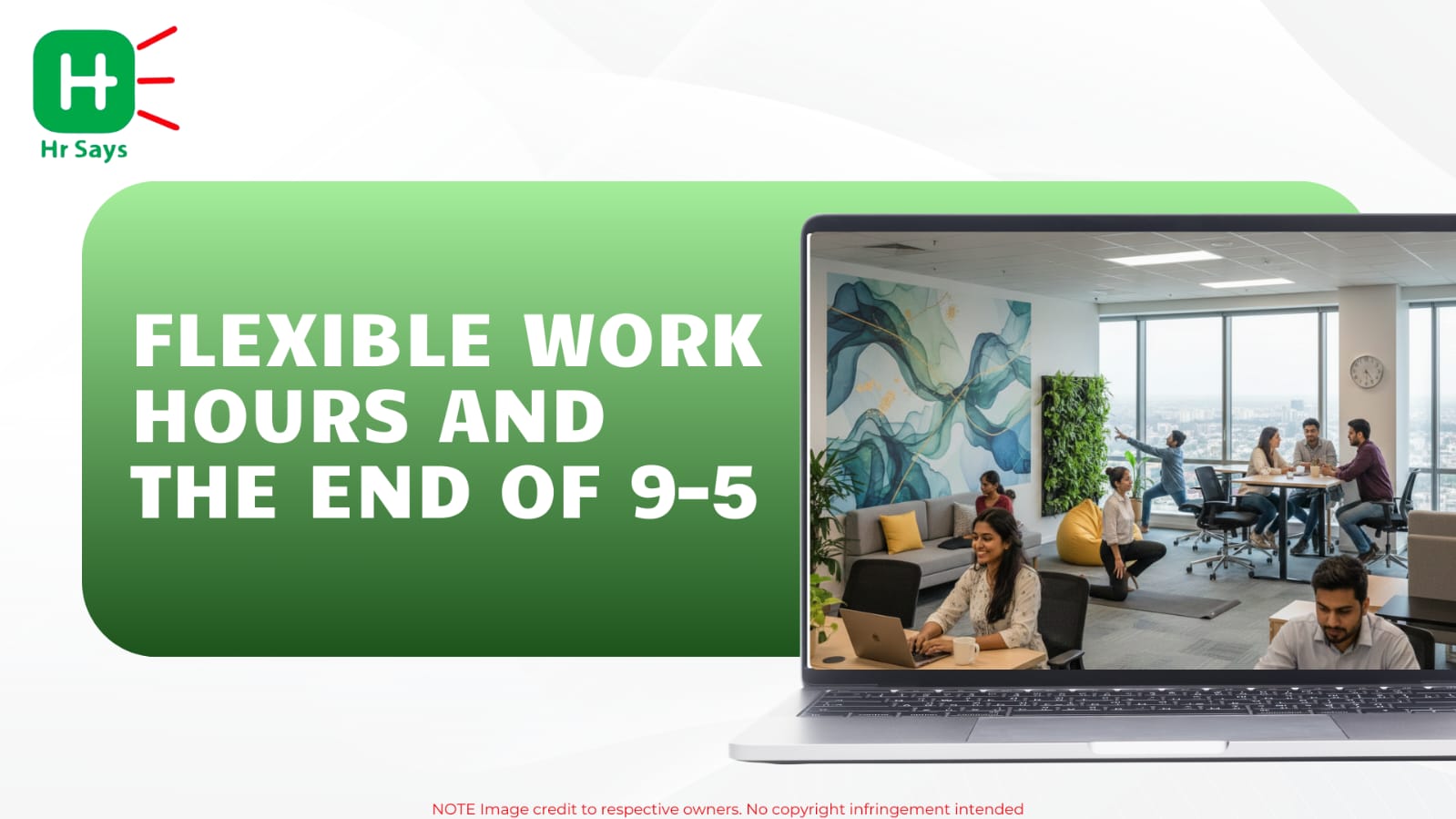
 Flexible work hours are reshaping modern employment by shifting focus from fixed schedules to
outcomes. This change reflects evolving productivity models, hybrid work realities, and the
growing importance of balance, trust, and sustainable performance.
Flexible work hours are reshaping modern employment by shifting focus from fixed schedules to
outcomes. This change reflects evolving productivity models, hybrid work realities, and the
growing importance of balance, trust, and sustainable performance.




Work attendance was previously an important measure, rather than an outcome. Table seating was done at the same time, lights were turned off simultaneously, and presence was used as an indicator of productivity. The building there is gradually being refurbished. Flexible working time has ceased being a privilege. They are emerging to be the new expectation.
The Shift Away From Fixed Schedules
The old model of a 9 to 5 was designed considering factory floors and economies that were high in office. It is no longer that environment. Online software, telecommuting and distributed teams have transformed the way time is spent.
Work is currently being spread over hours rather than being squeezed in them. The value on output is being placed more emphasized as compared to clock-ins. In the case of a lot of organizations, the fixed schedules are experiencing doubts as they are no longer mirrors of how the contemporary work takes place.
Why Flexible Work Hours Are Gaining Ground
Several forces have pushed this shift forward, and they are not temporary.
Productivity Is Being Redefined
Productivity is increasingly being measured by results, not visibility. Deep work is often achieved outside rigid office hours. Flexible scheduling allows focus to be protected and energy levels to be respected.
Work Life Balance Is Being Prioritized
Burnout has become a visible cost of traditional schedules. Flexibility allows personal responsibilities to be managed without constant compromise. When balance is supported, retention is often improved.
Hybrid and Remote Work Are Now Normal
Hybrid work models and remote work setups have removed the need for synchronized schedules. Teams are collaborating across time zones, making rigid hours impractical.
Common benefits being reported include:
● Reduced burnout and absenteeism
● Higher employee engagement
● Better talent attraction across locations
● Improved mental health outcomes
What the End of 9 to 5 Really Means
The end of 9 to 5 does not mean the end of structure. It means structure is being redesigned.
Core collaboration hours are often maintained. Accountability is still expected. Deadlines remain firm. What changes is the control over when work is completed.
For employees, autonomy is being increased. For employers, trust is being tested. When expectations are clearly defined, flexibility tends to strengthen performance rather than weaken it.
Challenges That Are Often Overlooked
Flexible work hours are not without friction. Without boundaries, work can quietly expand. Availability can be misunderstood. Communication gaps can appear.
To reduce these risks, certain practices are being adopted:
● Clear documentation of roles and timelines
● Defined overlap hours for collaboration
● Output-based performance metrics
● Strong async communication norms
When flexibility is introduced without systems, confusion is created. When it is supported by clarity, stability is maintained.
The Cultural Impact on the Workplace
Work culture is being reshaped by flexibility. Authority is becoming less visible and more functional. Trust is becoming central. Micromanagement is being phased out, sometimes by necessity.
Employees are being treated less like timekeepers and more like contributors. That cultural shift is subtle, but its impact is lasting.
Conclusion
Flexible work hours are not a trend that will fade. They reflect how work, life, and technology now intersect. The 9 to 5 model served its time. What replaces it will be defined by adaptability, clarity, and respect for human rhythms.