Thursday, October 01, 2026
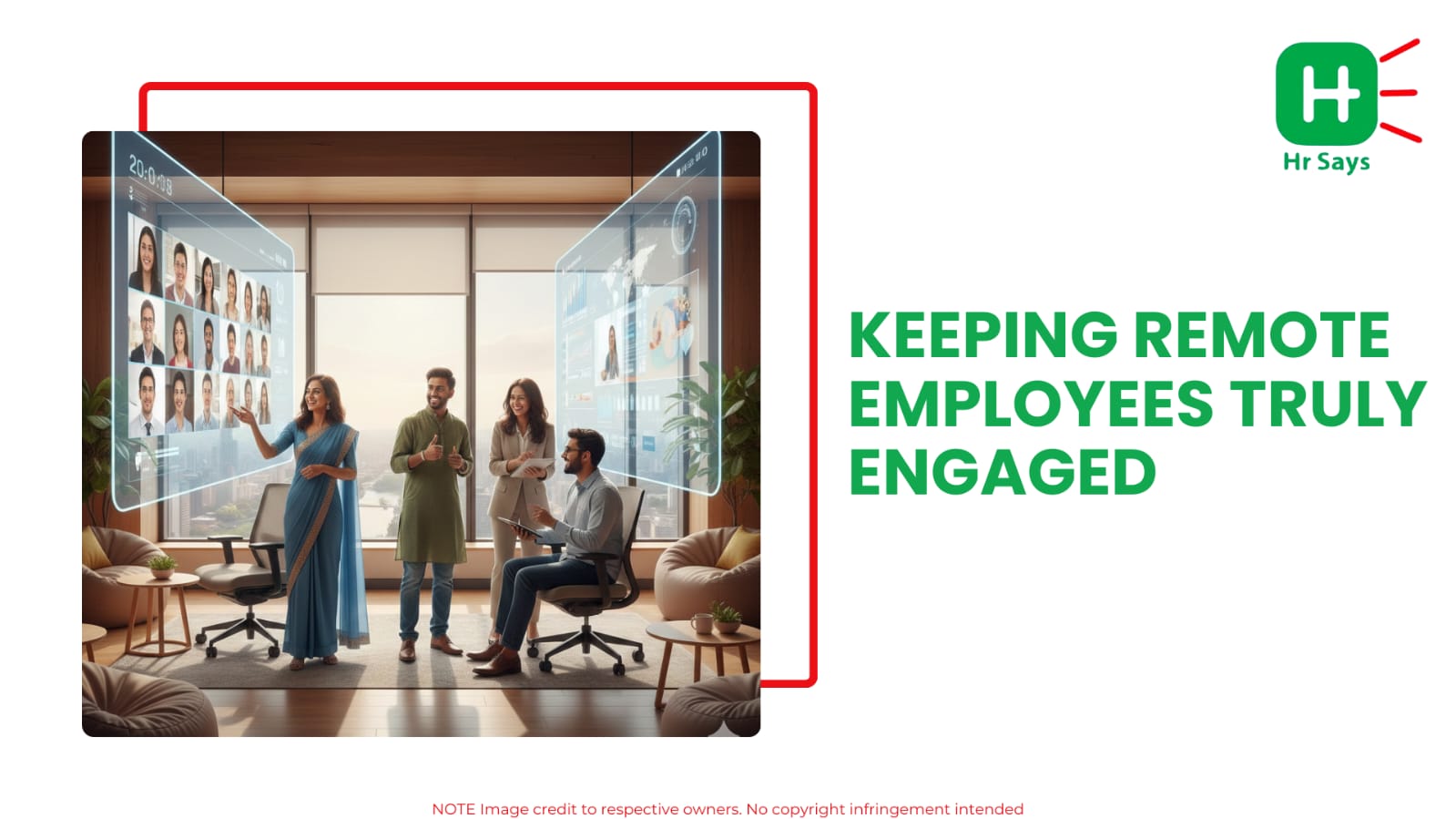
 Remote employee engagement depends on intentional communication, trust based management, and meaningful recognition. When clarity and human connection are prioritised, distributed teams remain motivated, aligned, and emotionally invested despite physical distance.




Remote work was considered a short-term solution. It now has been established in the daily professional life. Screens were substituting offices, routine was being substituted by a flexibility and yet there was something quieter which was slipping away. The participation ceased appearing. It turned emotional, internal and could be overlooked with a lot of care.
The Engagement Gap In Remote Work
Remote workers are usually perceived as being relaxed and independent. As a matter of fact, the engagements are often overshadowed by seclusion, the continuity of working hours and lack of human interaction. The productivity can be seen as constant, yet emotional commitment is usually undermined over time.
Why Disengagement Happens Quietly
Disengagement is rarely dramatic in remote teams. It shows up slowly and silently.
● Fewer voluntary contributions in meetings
● Delayed responses without urgency
● Work delivered on time but without ownership
● Reduced participation in team discussions
These signs are often ignored until performance declines. By then, trust gaps are already formed.
Communication That Feels Human, Not Transactional
Messages are exchanged constantly in remote setups. Yet real communication is often missing. When interactions are limited to tasks and deadlines, employees feel managed, not included.
Shifting From Updates To Conversations
Engagement improves when communication is designed around people, not platforms.
● Regular one on one check ins should be prioritised
● Space should be given for non work conversations
● Feedback should be shared consistently, not only during reviews
When employees are heard, emotional distance is reduced naturally.
Clarity As A Source Of Motivation
Unclear expectations are one of the biggest engagement killers in distributed teams. When priorities change without explanation, effort starts feeling meaningless.
Making Work Feel Anchored
Engagement is strengthened when purpose is clearly communicated.
● Goals should be visible and measurable
● Individual contributions should be connected to larger outcomes
● Success should be defined beyond task completion
When employees understand why their work matters, motivation is sustained even in isolation.
Trust Over Surveillance
Monitoring tools are often introduced in the name of productivity. In reality, excessive tracking creates anxiety and resentment. Engagement cannot grow under constant observation.
Building Psychological Safety Remotely
Trust is reinforced through outcomes, not screen time.
● Flexibility should be respected
● Autonomy should be encouraged
● Mistakes should be treated as learning points
When trust is extended, accountability is usually returned.
Recognition That Reaches Beyond Screens
Effort is easily overlooked in remote environments. Without visible cues, good work can feel invisible.
Making Appreciation Consistent
Recognition should be intentional, not occasional.
● Small wins should be acknowledged publicly
● Personal effort should be appreciated privately
● Growth should be recognised, not just results
Feeling valued remains one of the strongest engagement drivers, regardless of location.
Conclusion
Remote engagement is not maintained through tools alone. It is shaped through trust, clarity, and consistent human connection. When employees feel seen and supported, distance becomes less relevant, and commitment is quietly strengthened.