Sunday, October 04, 2026
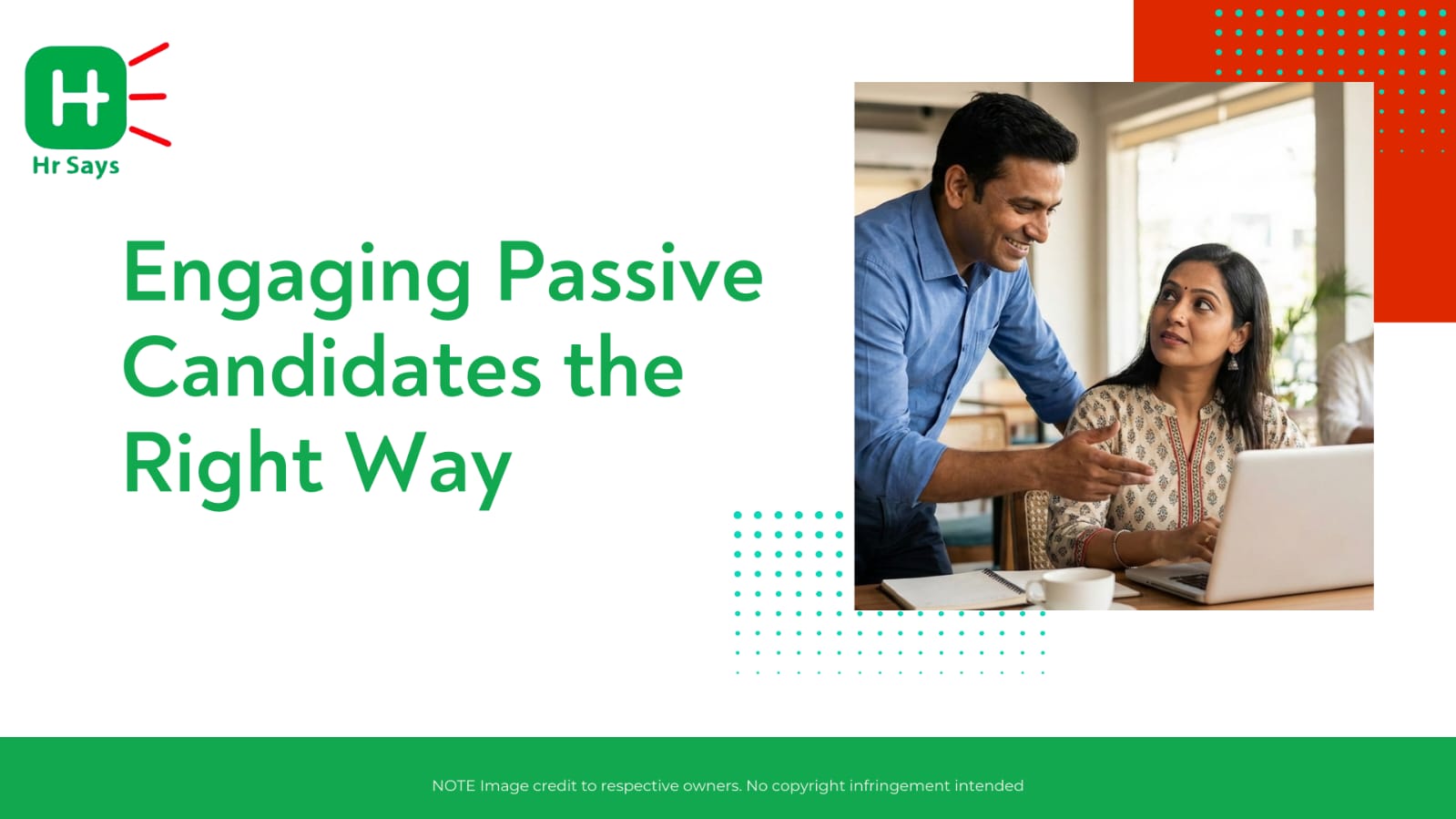
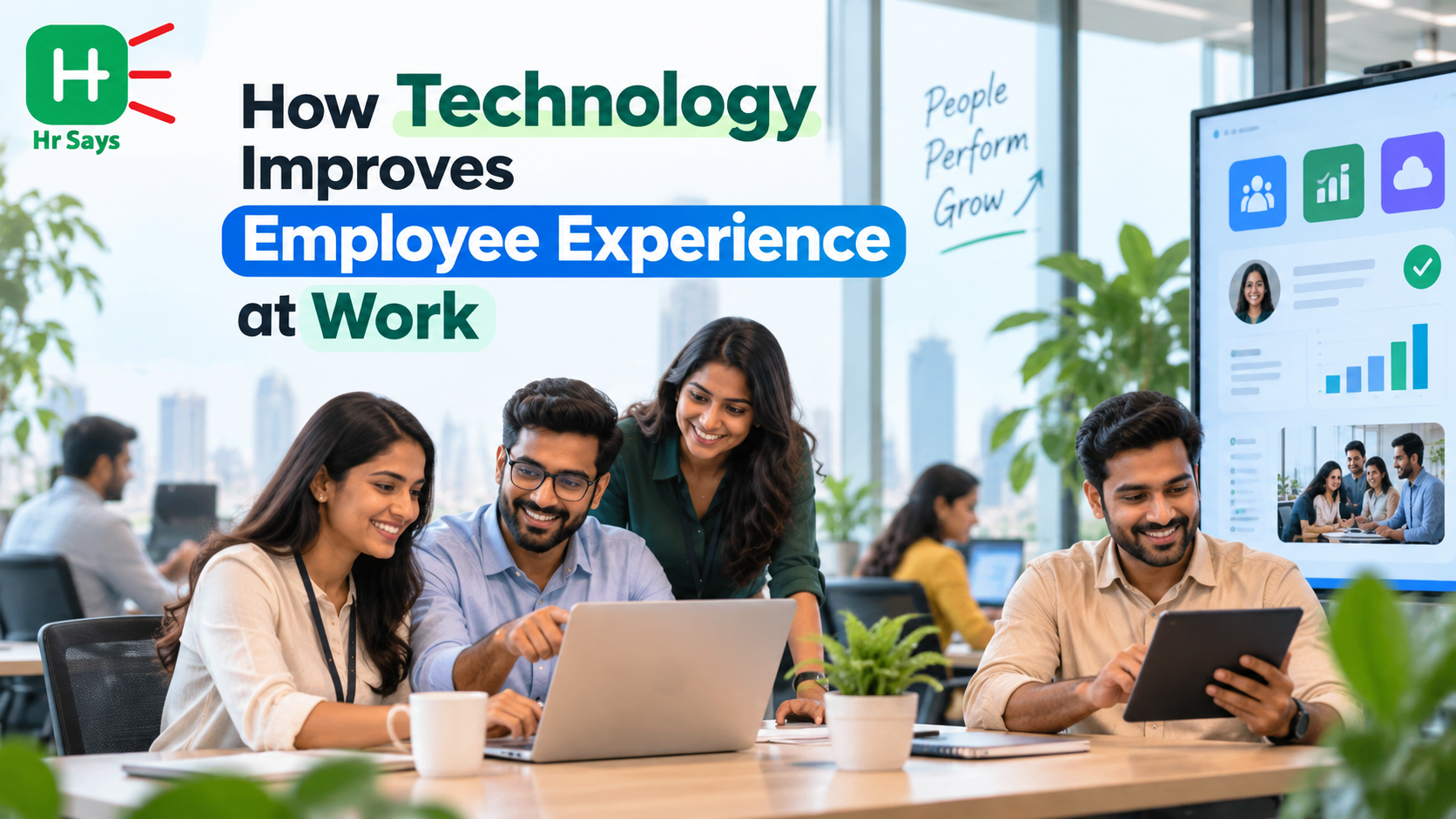
 Passive candidates are engaged through personalization, employer branding, and relationship driven hiring strategies. When outreach is intentional and value focused, trust is built gradually. Long term connections, not quick pitches, define successful talent acquisition today.




In the current competitive recruitment environment, talent does not always apply. Top achievers have already been hired, targeted and choosy. Nonetheless, significant relationships may still be established. Passive candidates do not cease to exist. They are simply unconvinced. It is not getting more noise, but more intelligent outreach that is the correct course of action.
Reasons Candidates Require a Different Strategy
Applicants are not browsing through job portals. They are no longer responding to generic InMail messages. They already have recruiter outreach flooding their inboxes. The conventional recruitment process cannot work well in this case.
What gets lost in it is the fact that passive talent is actually judging the recruiter as the opportunity as much as the opportunity judges it. It is anticipated that trust should be built prior to the demonstration of interest. It is anticipated that personalization must occur prior to accepting a conversation.
Several patterns are being observed in modern recruitment marketing:
● Outreach is ignored when it feels automated.
● Employer branding is reviewed before any reply is sent.
● Leadership visibility on platforms like LinkedIn is quietly assessed.
If employer value proposition is unclear, curiosity is not triggered. If company culture is invisible, hesitation is created.
Passive candidates are usually motivated by:
● Career growth and leadership exposure
● Flexible work models and hybrid workplace options
● Purpose driven work environments
● Competitive compensation and long term stability
A role change is rarely driven by salary alone. Meaning, autonomy, and impact are being prioritized more than ever. Therefore, engagement must be positioned around opportunity, not vacancy.
Building Genuine Connections Before the Pitch
Cold pitching a job opportunity in the first message is often resisted. A softer entry tends to work better. Conversations are expected to feel human.
Instead of leading with a job description, recruiters can begin with:
● A shared industry insight
● Appreciation for a recent achievement
● A thoughtful comment on their published content
When engagement is centered around professional respect, resistance is reduced.
Crafting Outreach That Feels Intentional
Messages should be short, relevant, and specific. It should be clear why the candidate was chosen. Generic phrases such as “great profile” are quickly dismissed.
It is often effective when:
● A candidate’s past project is referenced
● A skill alignment is highlighted
● A future career path is briefly outlined
Tone should remain consultative. Pressure should be avoided. Interest is invited, not demanded.
Leveraging Employer Branding and Talent Communities
Passive candidates often research before responding. Company reviews, social presence, and employee advocacy content are reviewed quietly.
Employer branding can be strengthened through:
● Authentic employee testimonials
● Transparent communication about growth opportunities
● Consistent thought leadership in industry discussions
Talent acquisition strategies now include building talent communities where professionals can engage without immediate commitment. Webinars, newsletters, and industry updates are being used to stay visible without being intrusive.
Nurturing Relationships for Long Term Hiring Success
Not every passive candidate will convert immediately. That should be accepted. Relationship building is a long term investment.
A simple follow up after a few months can be impactful. A career milestone can be congratulated. A relevant industry report can be shared. Small touchpoints build familiarity. Recruitment in 2026 is increasingly relationship driven. Data driven hiring tools and AI in recruitment may streamline processes, but human connection remains decisive.
The most effective recruiters are not chasing applications. They are cultivating conversations. When trust is established first, opportunity is welcomed later.