Sunday, October 04, 2026
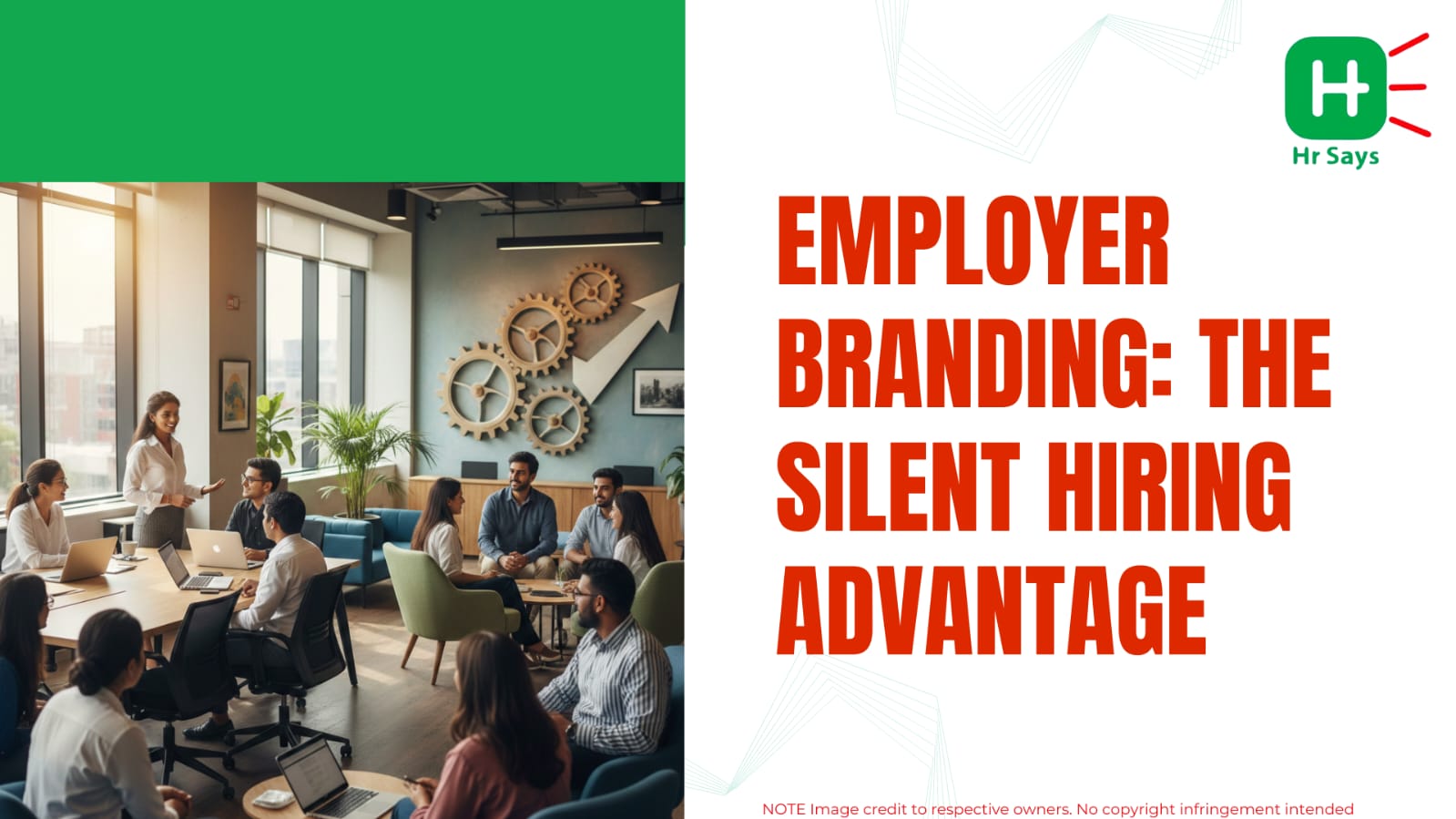
 Employer branding shapes how organizations are perceived as workplaces. When culture,
values, and employee experience are aligned, talent attraction and retention are strengthened. In modern recruitment, reputation works quietly but powerfully as a long term strategic advantage.
Employer branding shapes how organizations are perceived as workplaces. When culture,
values, and employee experience are aligned, talent attraction and retention are strengthened. In modern recruitment, reputation works quietly but powerfully as a long term strategic advantage.




Job is not made with a choice solely of salary or title. It is usually selected to mean, culture, flexibility and growth. There is something muting behind all good hiring strategies. It is referred to as employer branding and its effect is even experienced before one can even interview.
Reasons Why Employer Branding A Strategic Necessity
Digital visibility, social media and open employee reviews have changed hiring. Job search sites such as LinkedIn and Glassdoor have brought the culture of the workplace under search. A research is now done on a company like a product. Recruiters are affected in the decisions before making contact.
Employer branding refers to the attitude one has towards a company as a place of work. It can be influenced by the employee experience, leadership credibility, flexibility to work in the workplace, hiring of diversity and opportunities of growth. Once such elements match up, the marketing of recruitment can work out without much effort and the cost per hire can be a lot lower.
A strong employer value proposition is not created through slogans. It is built through consistency. Culture must be experienced internally before it is communicated externally. When employees feel valued, advocacy is naturally generated. That advocacy becomes powerful social proof.
The following areas are often evaluated by modern candidates:
● Work life balance and remote work policies
● Diversity and inclusion practices
● Learning and development opportunities
● Transparent leadership communication
● Career growth pathways
If these elements are unclear, talent acquisition efforts are weakened. If they are strong, candidate engagement increases organically. The difference is rarely loud, but it is deeply felt.
How Employer Branding Influences Talent Attraction And Retention
A well-defined employer brand shortens hiring cycles. Applications are received from candidates who already resonate with the organization’s mission. Cultural alignment is improved. Offer acceptance rates are often higher.
In competitive industries, passive candidates are carefully observing company reputation. Employer branding becomes a silent persuader. It signals psychological safety, stability, and purpose. Trust is built gradually through content marketing, employee testimonials, and consistent messaging.
Internal culture plays a central role. If employee engagement is low, branding efforts appear artificial. On the other hand, when engagement surveys reflect trust and inclusion, authenticity is communicated without effort. Retention is strengthened because employees feel connected to shared values.
Key strategic practices that strengthen employer branding include:
● Clear articulation of company values
● Transparent communication during hiring processes
● Investment in employee wellness programs
● Active presence on professional networking platforms
● Recognition and feedback systems
These actions are not dramatic. They are steady. Over time, they shape reputation.
Recruitment technology and AI driven hiring tools may optimize processes, but perception still drives choice. Candidates look for alignment between what is promised and what is practiced. When consistency is observed, loyalty is cultivated.
Employer branding also supports long term workforce planning. Future leaders are attracted early. Interns become brand advocates. Alumni networks continue to speak positively. The hiring advantage becomes cumulative.
A strong brand does not eliminate hiring challenges. However, friction is reduced. Talent pipelines become warmer. Recruitment marketing budgets are used more efficiently. In uncertain markets, trust becomes a competitive asset.
Silence in branding often means invisibility. Visibility, when built with integrity, becomes influence.
Conclusion
Employer branding is not an advertising tactic. It is a reflection of internal culture expressed outwardly. When authenticity, transparency, and employee experience are aligned, hiring becomes less transactional and more relational. The advantage may be silent, but its impact is sustained.