Sunday, October 04, 2026
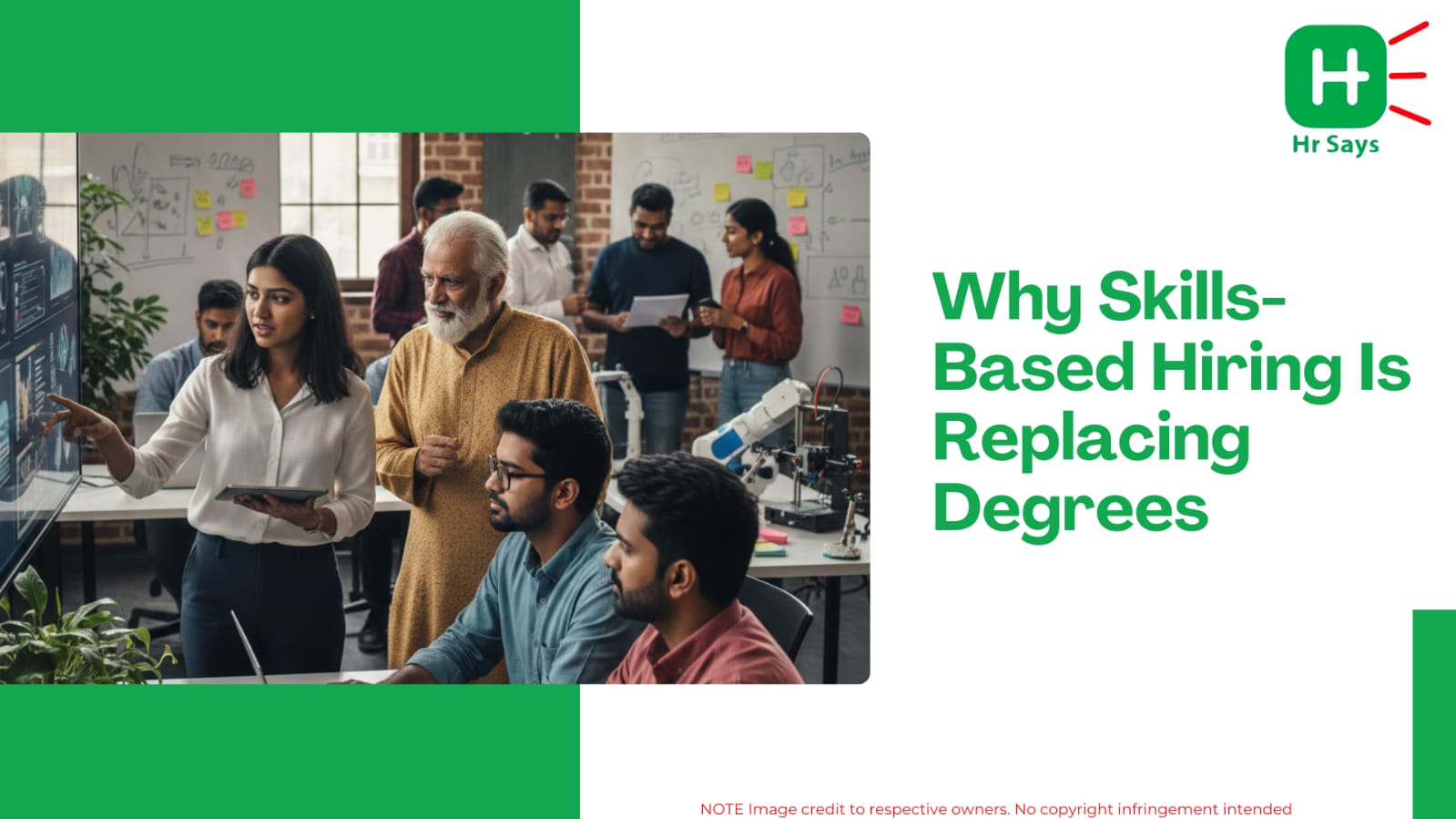
 Skills-based hiring is replacing degree-focused recruitment as employers prioritize practical competencies, diversity, and agility. Driven by digital transformation and remote work, this shift rewards demonstrable expertise, continuous learning, and measurable outcomes over traditional academic qualifications.




Over the years, a college degree was being regarded as the ultimate demonstration of competence. Competence was assumed to be a follow up to a certificate. The belief is now emerging as a silent challenge of today. In any industry, titles on paper are not as important in the hiring decision making as the display of skills.
The Shift From Credentials To Capabilities
Remote work and technological changes have transformed the nature of the job and caused a general reorientation of the position points in the hiring landscape. Most of the jobs that are available nowadays were not even a decade ago. Consequently, the conventional education channels have found it hard to keep up.
The use of degrees was considered a filtering process. It was considered efficient. It has however been noted that the degrees tend to gauge accessibility to education and not job preparedness. Real skills are now being sought by employers in what is known as a skills-based hire, as portfolios, practical exams, and certifications are used to determine the competencies of a person.
In sectors such as tech hiring, digital marketing, and data analytics, performance is being evaluated through measurable output. A candidate who can build a functioning app or manage a successful SEO campaign is often preferred over someone who only holds a formal qualification.
This shift has been driven by:
● Rapid growth of the gig economy
● Expansion of online learning platforms
● Increased demand for job-ready skills
● Pressure to reduce hiring bias
The conversation has moved from “Where did you study?” to “What can you do?” It feels subtle, but it changes everything.
Why Employers Are Prioritizing Skills-Based Hiring
Organizations are being pushed to become more agile. Talent gaps are widening, especially in technology, AI, and automation-driven roles. It has become risky to depend only on degree requirements when urgent skill shortages exist.
Cost And Time Efficiency
Recruitment cycles are being shortened. When skills assessments are used, hiring decisions can be made faster. Training costs are also reduced when candidates already possess relevant competencies.
Focus On Practical Outcomes
In performance-driven industries, results matter. It is easier to measure coding ability, content strategy expertise, or project management execution than academic theory. This approach aligns well with workforce trends and performance management systems.
Improved Diversity And Inclusion
When degree filters are removed, access is widened. Talented individuals from non-traditional backgrounds are given fair opportunities. Skills-based recruitment has been linked with diversity hiring goals because it reduces socio-economic barriers.
Alignment With Remote Work Culture
The rise of remote jobs has accelerated this change. In virtual environments, output is more visible than educational pedigree. Productivity tools and collaborative platforms have made skill demonstration easier and more transparent.
The Rise Of Micro-Credentials And Online Certifications
Professional development has been redefined. Platforms offering micro-credentials, bootcamps, and industry certifications have gained credibility. These programs are shorter, focused, and directly aligned with market needs.
Digital badges and skill assessments are being integrated into recruitment software. Applicant tracking systems now allow recruiters to filter candidates based on verified competencies rather than degrees alone.
Continuous learning has become more valuable than static qualification. It is not about what was studied once, but what is being learned now.
What This Means For Job Seekers
The responsibility has shifted. Career growth is no longer guaranteed by enrollment in a university alone. Skill development must be intentional and ongoing.
To stay competitive:
● Build a strong portfolio
● Gain practical experience through internships or freelance work
● Invest in certifications aligned with industry trends
● Showcase measurable achievements A degree may still hold value in certain professions. However, it is no longer the only pathway to credibility.
Conclusion
Skills-based hiring is not a temporary trend. It is a response to changing workforce demands. Degrees may open doors, but skills keep them open. Employers are choosing adaptability, demonstrable ability, and continuous learning over formal credentials alone.